
Leon Trotsky was often mentioning Spinoza's principle, “not to weep or laugh, but understand”, while elaborating his analysis of the political events. The Russian revolutionary used the philosopher’s quote especially as an approach to keep the aspirations of the Russian’s October Revolution alive, in the context of Stalin’s counter-revolution.
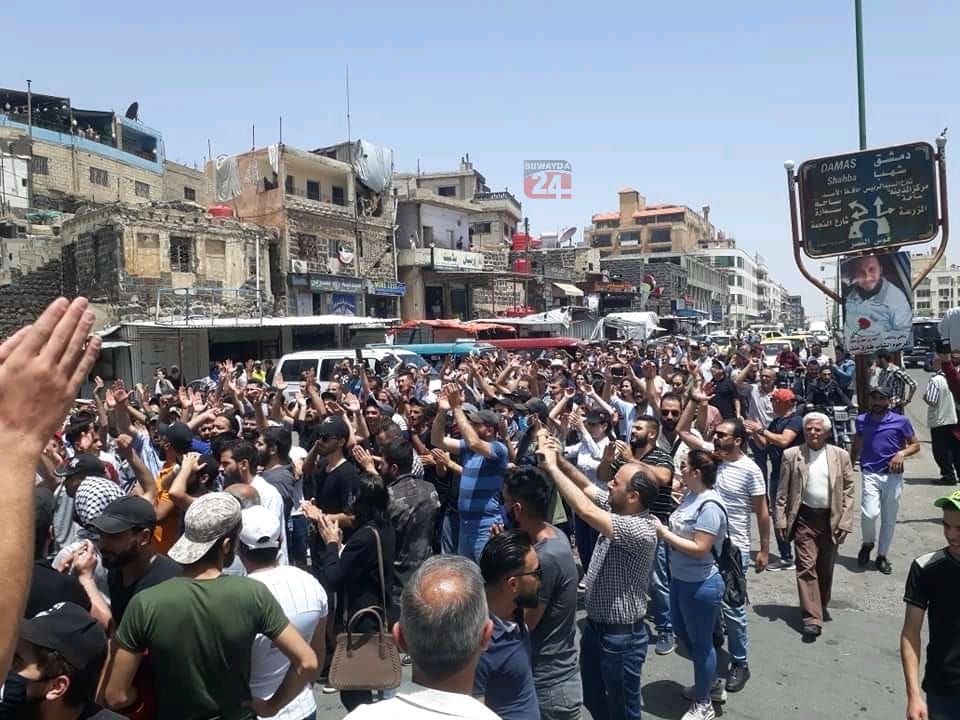
This was my first reaction when watching the pictures and videos of the Karama (Dignity) square in Sweida, where some groups of protesters were raising Israeli flags and calling for Israel’s intervention.
I certainly disagree with such actions and fully oppose the Israeli Apartheid and colonial State, a mortal threat for the Palestinians and the regional popular classes.
And yet, following the lesson of Spinoza and Trotsky, the real issue is to understand how we reached this point. How did such feelings and political choices gain such popularity among Druze populations in Sweida? And who is responsible for that?
It is important to tackle the rhetoric of the Hay’at Tahrir Sham (HTS) led government and its supporters against Sweida, and at the same time to express full solidarity with its inhabitants, who are still enduring a deadly siege.
At the same time, supporting Sweida’s people should not prevent us from having a critical perspective on some of its political and religious leaders, armed groups, and specifically on some of their choices and orientations, including creating the illusion that Israel would help Druzes in Syria to fulfill their destiny.
We should oppose these actions and positions, and at the same time support the right of Sweida’s population to defend itself. Moreover, we should condemn Israeli opportunistic actions to increase divisions in Syria.
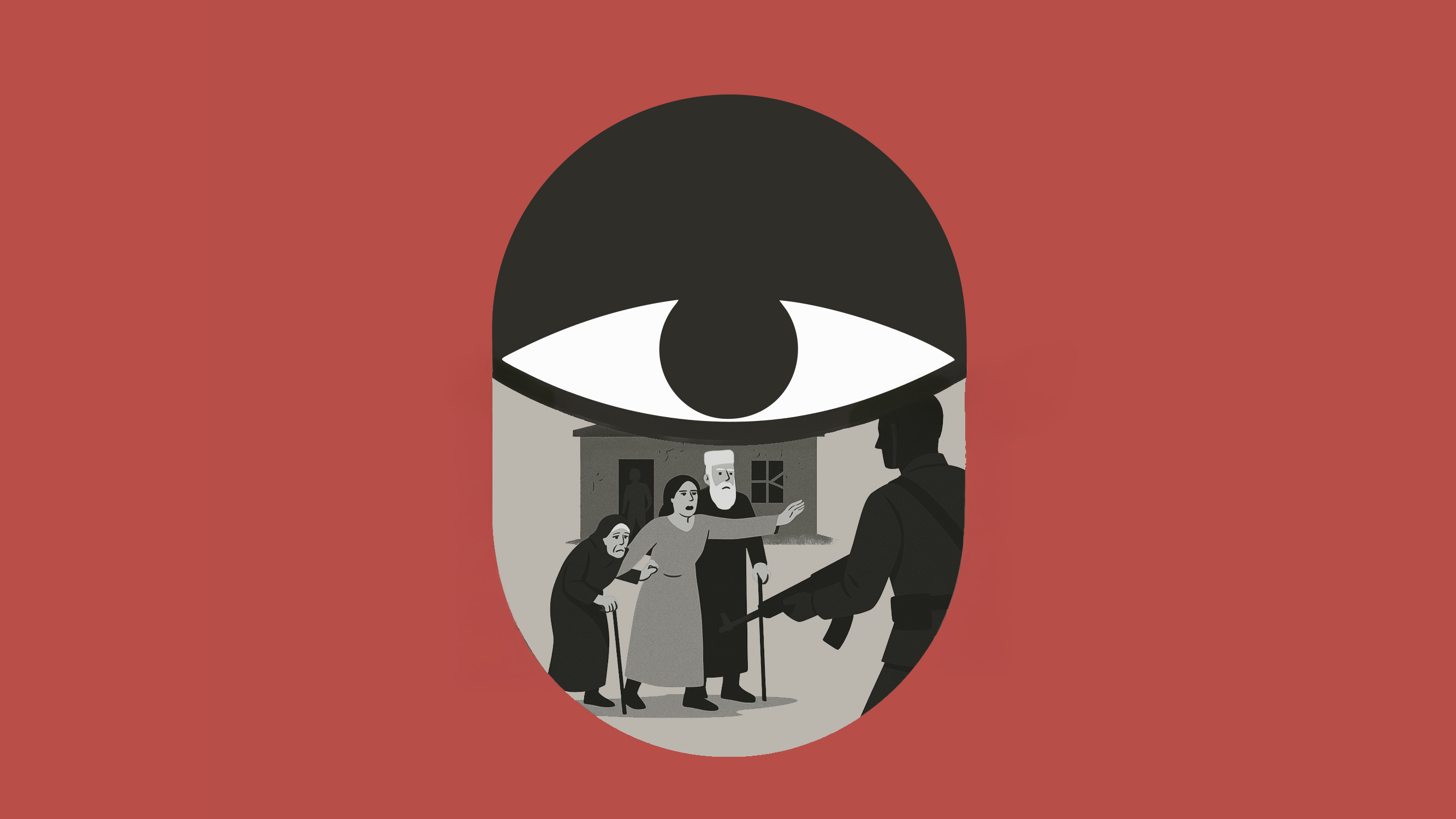
For Five Days, Sweida’s Soul Was Crushed—Its People, Homes, Crops, and Livestock... and So Was Mine, Trapped in Berlin
04 August 2025
On social media, supporters of the government in Damascus have criticized and attacked protesters in Sweida for raising the Israeli flags and calling for Israel’s intervention, labeling them as “traitors”, “armed gangs allied to Israel”, and “separatists”.
Some pro-government individuals and groups also exploited these scenes to justify armed attempts to take full control of the Sweida province, even in front of massive violations of human rights, arguing that these individuals and groups in the southern province constitute “a threat to Syria’s sovereignty and unity” and serve a “foreign agenda”.
These kinds of accusations have been promoted by Syrian officials and pro-government media in the past few weeks and are still ongoing, following the attack led by armed groups affiliated with Damascus against Sweida.
However, the HTS led government and its supporters lack credibility and honesty in their criticisms. They are not genuine and serve primarily to justify the actions of the central authorities in Damascus and demonize the people of Sweida, while remaining silent on armed groups’ violent abuses.
Indeed, isn’t this same government seeking a form of normalization with Israel, multiplying meetings with Israeli officials, and making statements guaranteeing that the new Syria is not a threat to Tel Aviv? Did we hear HTS supporters and their media criticize Damascus for these actions and statements? Did we hear criticism regarding the increasing control by the central authorities of Palestinian armed groups (and not only the ones fully affiliated with the previous regime) based in the country?
The answer is quite clear: their real concern is not Israel, but rather to consolidate the new ruling authority in Damascus, and legitimize its actions. That said, we still need to understand how sectors of Sweida’s population came to demand Israel’s assistance.
Alongside the policies and actions of the HTS leading authorities, another element has certainly played a role in strengthening a feeling of isolation of the Druze population in Sweida: the lack of a large and inclusive, democratic and progressive popular movement demonstrating in the streets of Syrian cities throughout the country to protest Damascus’ actions and to express solidarity.
Divide and rule policies forced Druze in the corner
Different groups in Sweida have been working for years for a rapprochement with Israel, while Tel Aviv has long tried to instrumentalize the Druze in Syria. These attempts accelerated in the past few months, to deepen divisions in Syria and serve their own interests. However, Israel’s popularity or rather the idea of seeking assistance from the Israeli state has remained minoritarian and largely rejected until recently. What changed?
The explanation lies primarily in the political developments within Syria following the fall of Assad's regime. In this context, HTS led ruling authority developed a strategy to consolidate its power over a fragmented country, based on external recognition and legitimization, the seizure of state institutions, and the use of sectarianism as a tool of control.
Seen from this perspective, the military campaign against Sweida, which followed prior attacks and human rights violations against Druze communities in April and May in Damascus and Sweida, aimed at taking full control of the province and eliminating all Druze political actors not submitting to its rule. At the same time, they were promoting Druze actors who, despite having low influence and popularity, were ready to act for the government’s interests.
In pursuing these political objectives, armed groups affiliated with Damascus targeted Druze civilians without distinction. Indeed, Druze were targeted because of being Druze, and we witnessed multiple scenes of humiliations against Druze civilians and targeting of Druze symbols. What was the reaction of the government and Syrian officials? The self-proclaimed president Ahmed al-Sharaa and Syrian officials primarily blamed “outlaw groups”— the term used by the ruling authorities to refer to the local Druze armed factions in Sweida — of being primarily responsible for the violence in the province. The same groups have been accused of violating the ceasefire agreement by engaging in “horrific violence” against civilians, threatening civil peace by pushing the country towards chaos and a collapse of security. At the same time, al-Sharaa praised and thanked the mobilizations of the Arab tribes and celebrated their “heroism”, while calling on them to respect the ceasefire.
Civil Society Spotlight: Episode VI
06 August 2025
The interim president recently acknowledged that violations were committed by both sides. This is true, but the scales are not equal, with far more violations being committed against Druze civilians. Furthermore, we should not equate the aggressor (the Damascus government), and the party attempting to defend itself (the residents of Sweida).
Despite the conclusion of a ceasefire, only partially respected by armed groups affiliated with the government, an ongoing siege is imposed on Sweida’s province, with extreme consequences on its inhabitants.
The indiscriminate attacks, both military and media-driven, as well as the current siege, have considerably reduced the opinion gap that existed between the various armed and political Druze groups, but also within the local Druze population, in Sweida. Faced with what appear as mortal threats and a general offensive against the Druze population, the need for unity has been felt on all sides. Reflecting this dynamic, the positions of the major Druze religious dignitaries are much similar in blaming the government for its violent actions. Similarly, several trade unions and professional associations in Sweida have severed all contact with the trade union centers in Damascus in protest against the massacres perpetrated and hold the central government fully responsible for these human rights violations.
So when self-proclaimed President al-Sharaa recently declared that “a small faction in Sweida continues to disrupt the scene”, he couldn't be further from the truth. And when he stated that unifying Syria, after years of civil war, should not be achieved "by military force", it doesn’t sound credible anymore, as his government and affiliated armed forces have tried to impose its domination on Sweida by military force and sectarian violence.
In other words, the authoritarian actions of the government and sectarian actions of the armed groups affiliated with Damascus inevitably resulted in most of the Druze population in Sweida rejecting the central authorities and the image they project: an exclusive Syria based on a form of Sunni supremacism.
Sovereignty is not built by the monopolization of violence within the hands of the army and police under the state’s authority, especially when the ruling authority is authoritarian, violent and exclusive. It is first built by providing ‘human security’, which incorporates a central role in democratic, economic and social development.
In search of a progressive political horizon
Alongside the policies and actions of the HTS leading authorities, another element has certainly played a role in strengthening a feeling of isolation of the Druze population in Sweida: the lack of a large and inclusive, democratic and progressive popular movement demonstrating in the streets of Syrian cities throughout the country to protest Damascus’ actions and to express solidarity. Yes, there were small protests in some areas, and signs of solidarity on social media, but they remained rather isolated and modest, especially compared with rising sectarian messages against Druze on social media and demonstrations supportive of the government.
In other words, the absence of a national political response and the social isolation end with reinforcing a political response solely based on sectarian identity.
Israel’s assistance can sound attractive in a situation lacking alternatives to protect oneself, regardless of the fact that its assistance is opportunistic and no concrete actions to protect the population will follow. It is unfortunate but we have to understand the political motivations leading to this choice and orientation.
Similarly, when President al-Sharaa rightly declares that Israel’s actions undermine Syrian unity and weaken the state, he forgets to say that he created the conditions for this to happen.
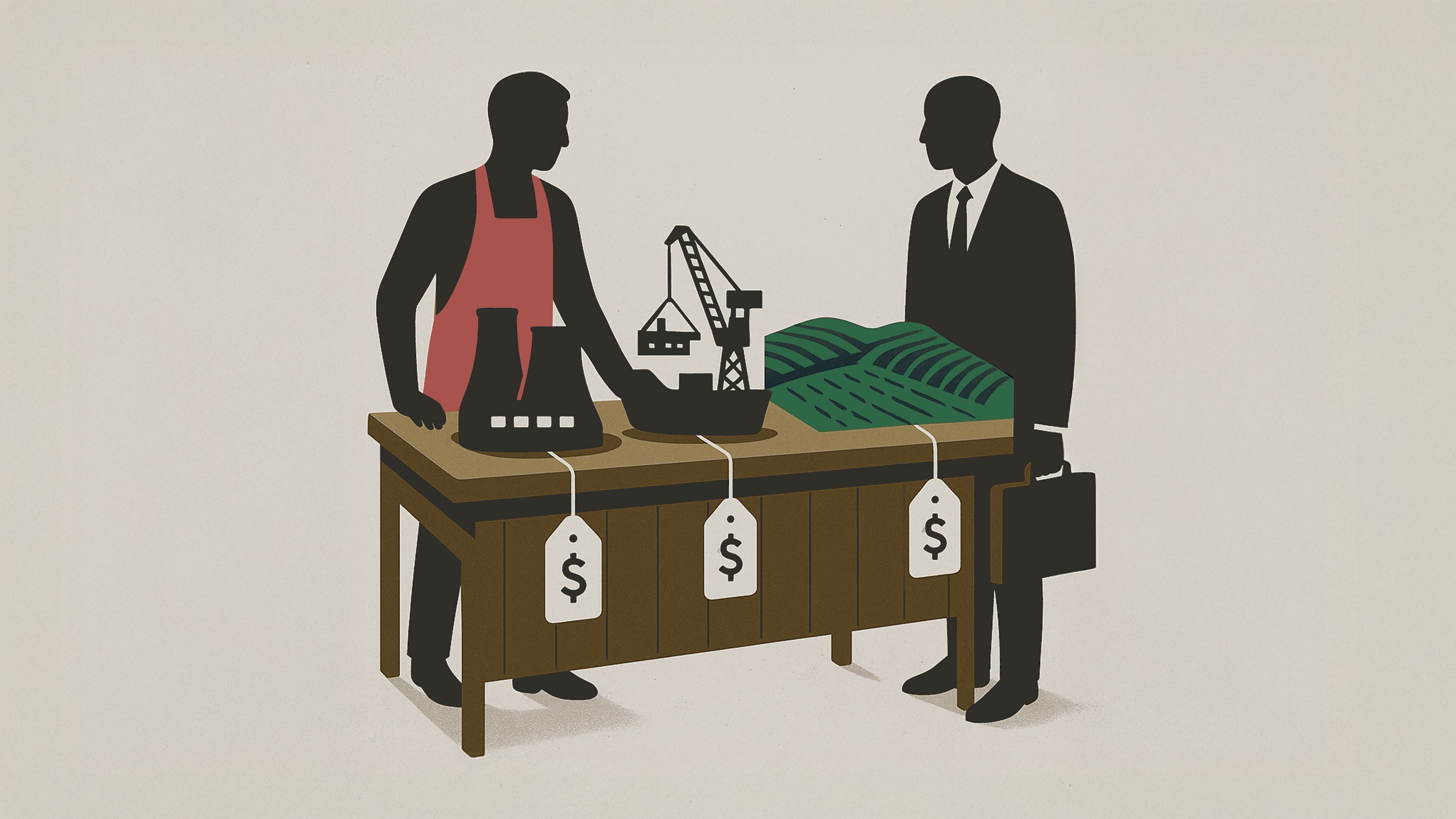
HTS’ strategy to Consolidate its power in Syria
28 July 2025
In conclusion, when we try to understand the latest political developments in Sweida and among its population, we understand that it reflects above all the defeat to build a democratic and inclusive Syria. It’s not the Sweida’s population to be blamed, particularly when looking at their resilience and resistance for years now, first against the former Assad’s regime and now HTS leading authorities. The key actor responsible for the current state is the government in Damascus and its exclusive and authoritarian policies. No groups or sectors of the population seek foreign assistance if a government can provide them with democracy, social justice, and security.
Sovereignty is not built by the monopolization of violence within the hands of the army and police under the state’s authority, especially when the ruling authority is authoritarian, violent and exclusive. It is first built by providing ‘human security’, which incorporates a central role in democratic, economic and social development. In this approach to sovereignty, the new ruling elite, which focuses primarily on imposing its authority by force, neglects sovereignty rooted in the interests of the popular classes and their democratic, economic, and social rights.
The role of democrats and progressive in this situation is then becoming clear: build a democratic, inclusive and progressive popular movement which can give a national political response to the fears of all Syrians. Otherwise, Syria's fragmentation will worsen.
It is our duty to defend a political perspective and horizon in which we can regain the trust and confidence of Sweida’s population, to build together a democratic and inclusive project for all in Syria. The issue of national identity is always something constructed and connected to a political project. Therefore, to rebuild a shared common identity among Syrians is connected to the development of a successful alternative political project rooted in the popular classes of all ethnicities and religious sects, with clear democratic and inclusive aspirations.
Therefore, Sweida should be seen as a wakeup call for all democrats and progressive.