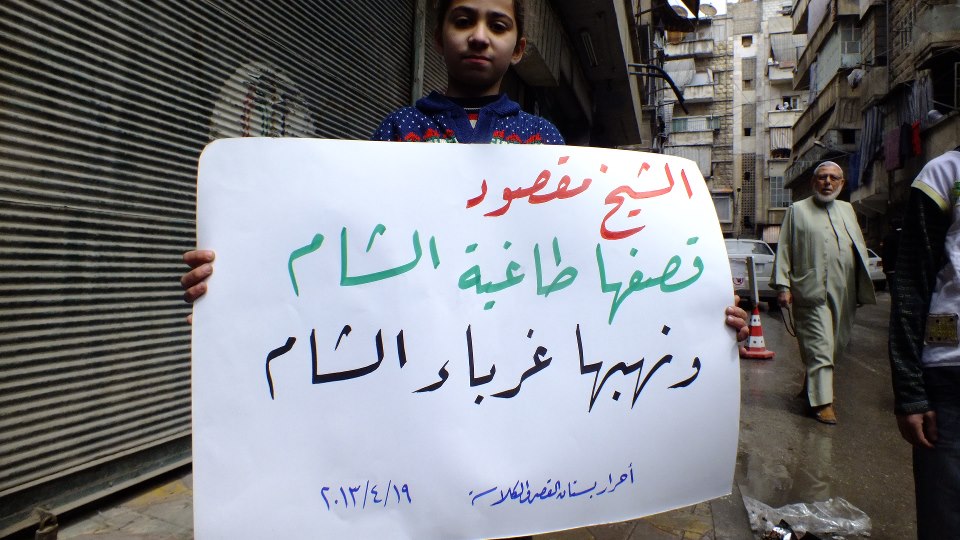

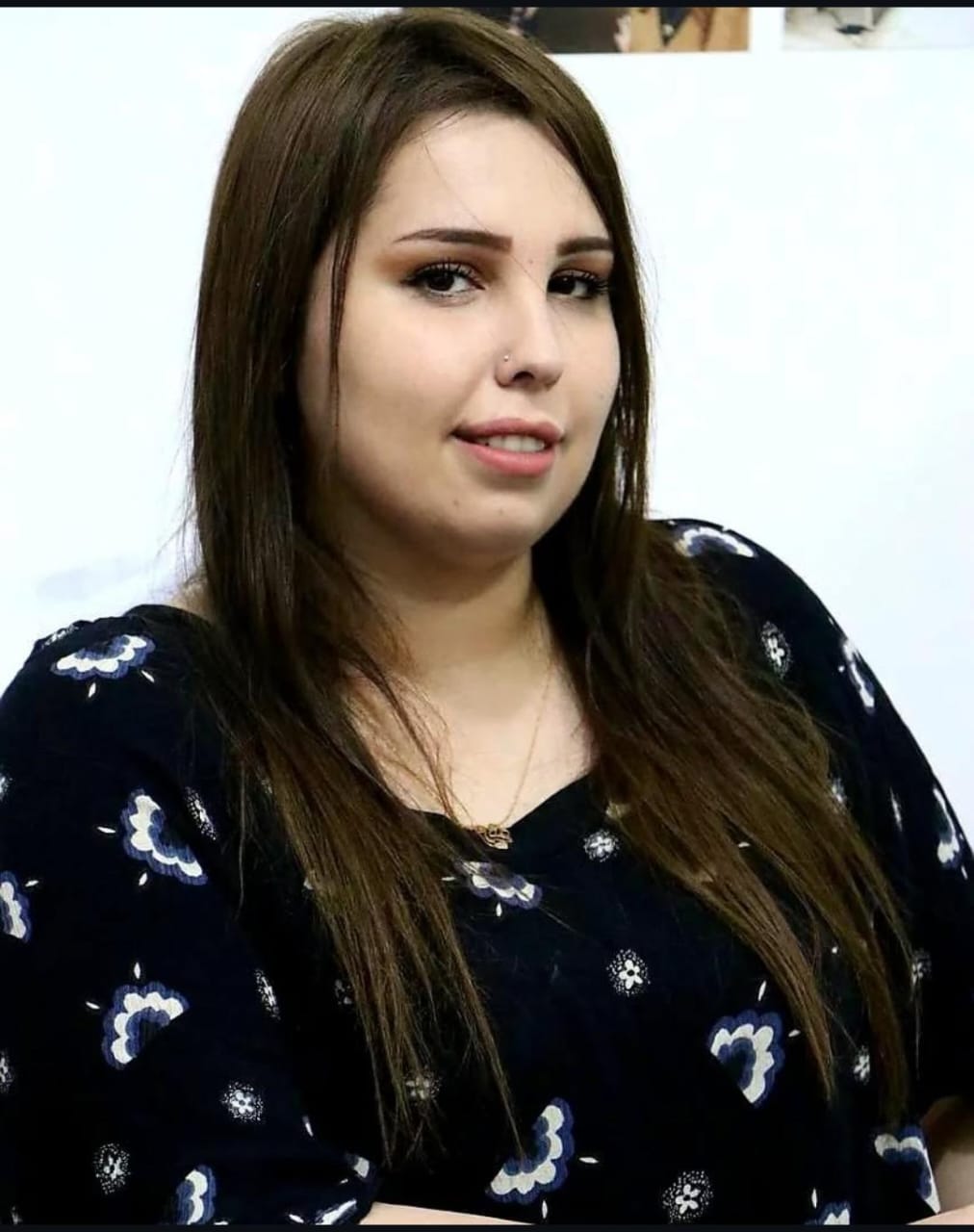
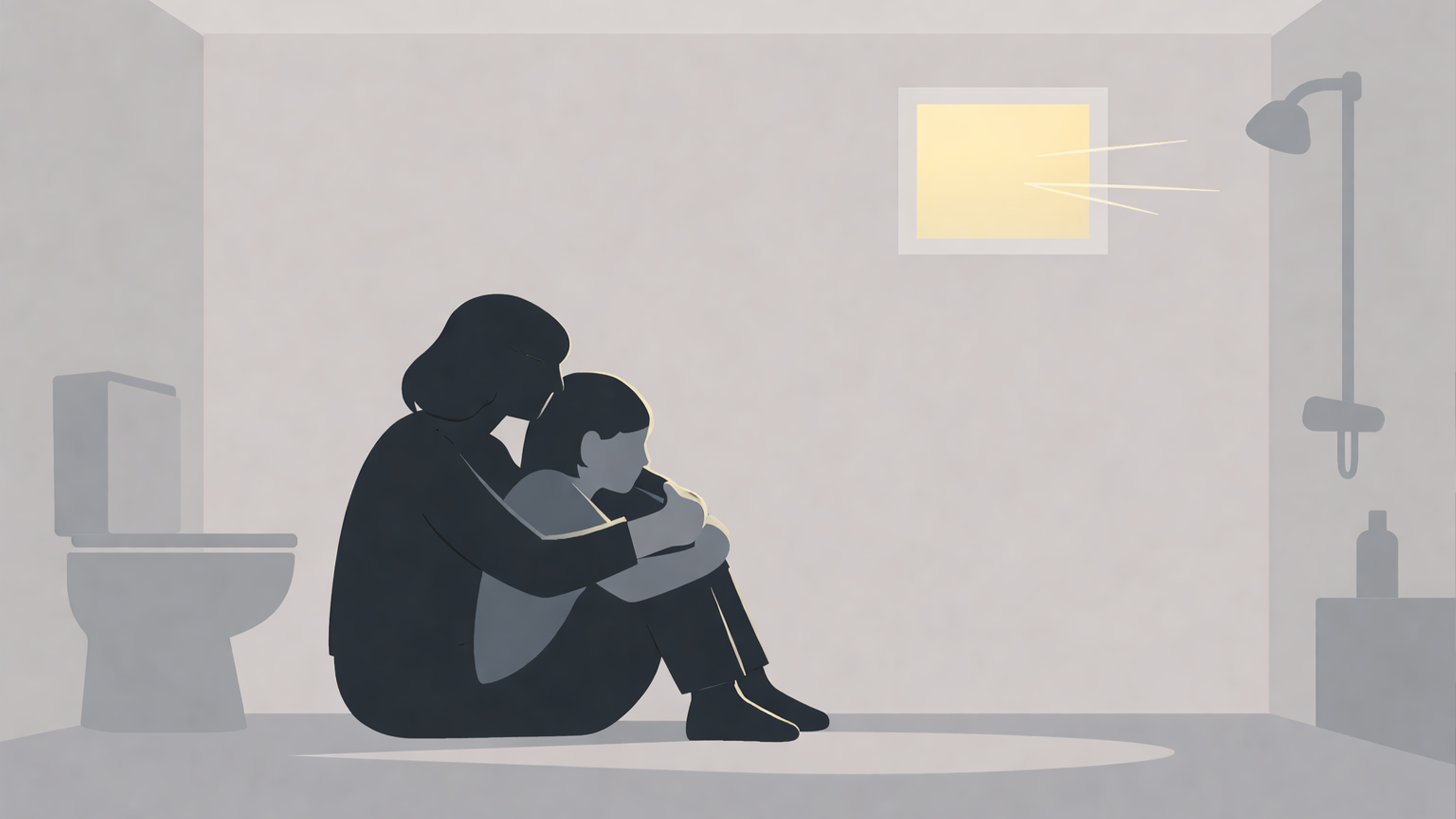
I am Rima (a pseudonym) from Afrin. I currently live in the city of Qamishli for work, but my family used to reside in the Al-Ashrafiya neighborhood of Aleppo before being displaced for the third time now. The first time was in 2013, when our building was struck during the mutual shelling between the "Free Syrian Army" and regime forces in the Al-Ashrafiya and Sheikh Maqsoud neighborhoods, causing extensive damage to our home. We remained trapped in the basement for four days until a safe passage was opened, through which we fled toward the city of Afrin.
A large segment of the people of Afrin owned two homes—one in Afrin and the other in Aleppo—for the purposes of work and study. After the first displacement, we headed to our house in Jindires, in the city's countryside, and lived there until 2018. Then, the Turkish "Operation Olive Branch" began, causing our second displacement. We found ourselves stranded with no home to shelter us; our house in Al-Ashrafiya was destroyed, and we lacked the necessary funds to repair and renovate it. At that time, my family rented a house in the Syriac neighborhood, but our deep attachment to Al-Ashrafiya drove us to return to the neighborhood and rent another house near our ruined home.
At the same time, our house in Afrin was seized. In 2018, my father received a phone call from a person from Daraya, informing him that he was living in our house, which had sustained some damage due to shells falling nearby. The man asked for money to repair it. My father rejected his request, and he also refused to grant him permission or "forgiveness" for occupying our home.
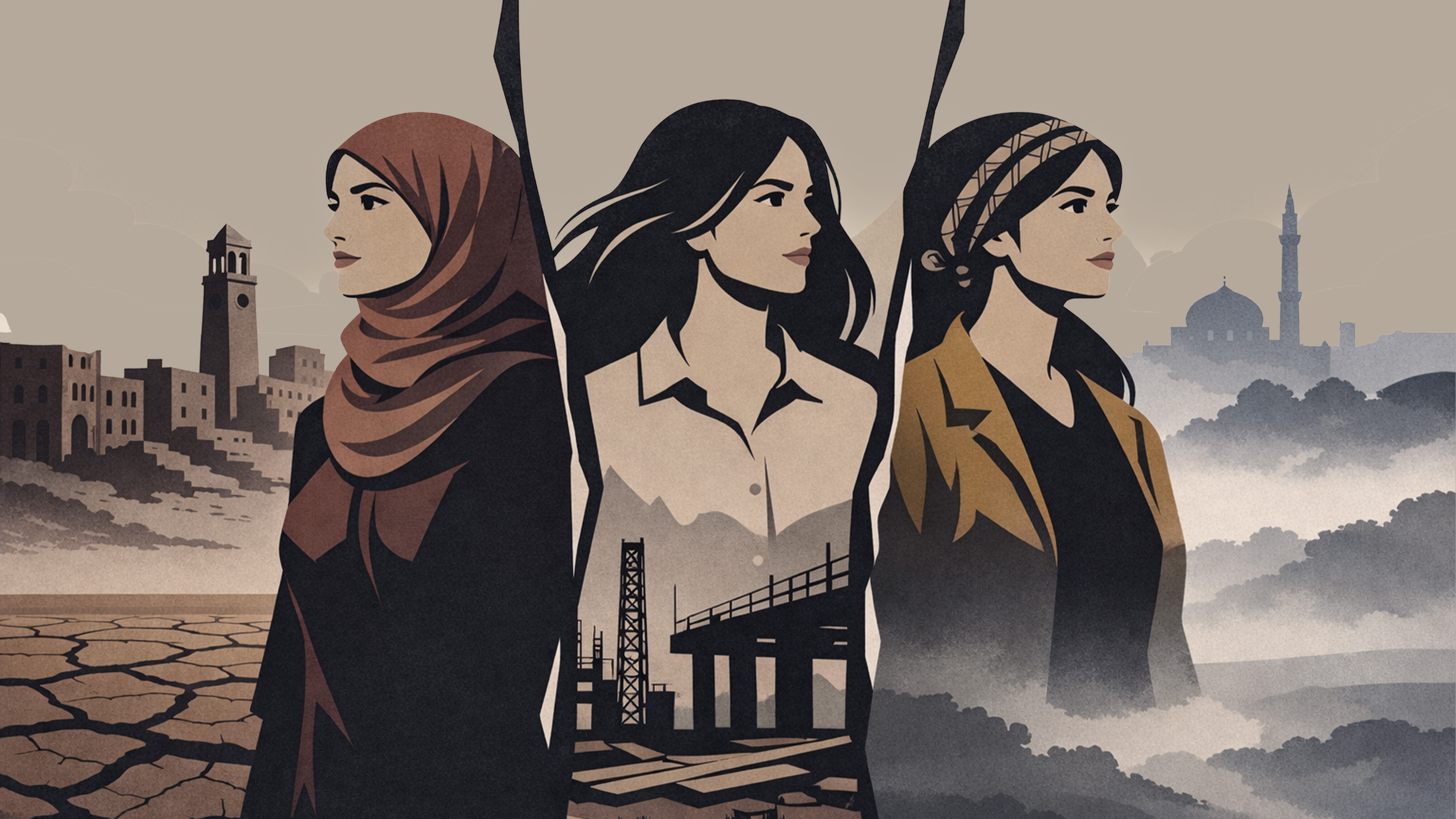
What do women fear in the 10 March agreement?
15 January 2026
One of our acquaintances was able to check on the condition of the house and reassure us after the 2023 earthquake, which caused significant damage to Jindires and led to increased movement to and from Afrin. He informed us that the house was not damaged, as it was surrounded by olive trees, but it had become completely fenced off and monitored by cameras at every corner; a faction leader from "Ahrar al-Sharqiya" had taken up residence there.
After the fall of the regime in late 2024, many were able to visit Afrin to check on their properties, and my father was among them. He traveled there months after the regime's collapse, accompanied by one of the local notables. When he reached our house, the occupant came out and verbally assaulted my father, calling him a "pig" and an "SDF member" (Qasd-i). My father could only try to calm him down, explaining that he was a civilian who had never carried a weapon and simply wanted to return to his home after spending years in rented accommodation. The occupant's response was to demand more than $5,000 in exchange for vacating the house.
My family is not well-off and cannot afford to pay such a massive sum. After the local notable intervened, the occupant lowered the amount by half, which was still far beyond our means. My brother and I managed to scrape together nearly $1,000 and asked my father to approach him in another attempt to persuade him to vacate the house. However, he took the money and did not leave; instead, he began contacting my father periodically, asking if he had completed the required amount, until my father was forced to turn off his phone for two months.
This individual, who hails from the city of Deir ez-Zor, told my father that he would not leave the house until the Syrian Democratic Forces (SDF) withdrew from his own city. In his latest threat—which he has not yet carried out—the man, who now belongs to the "General Security" apparatus, gave us two options: either pay the full amount or he would leave the house only after blowing it up.
During the recent attack on the Al-Ashrafiya and Sheikh Maqsoud neighborhoods, my family was displaced from their home for the third time, accompanied by my sister’s family. Once again, they were forced to head toward Afrin, as the road leading to the Jazira region was cut off at the time. I was waiting anxiously for them to arrive in Qamishli; I had even prepared my modest home to welcome them, but the driver confirmed to me that it was impossible. The congestion was immense, and the journey—which usually takes less than an hour—lasted nearly seven hours.
Today, my family lives in my sister’s house, who has also lost more than one house. She was only able to reclaim one of them with extreme difficulty after paying hundreds of dollars. Now, my sister encounters the very person who plundered her homes every single day.
My mother begs me not to write anything about their suffering on social media, fearing for my two brothers. In our last conversation, she told me that when they left the neighborhood, she held their hands the entire way—as if holding the hands of small children—dreading that someone might harm them. Yet, she still heard a non-Kurdish resident of the neighborhood say, "Good riddance; may you never return".
Today, two of my family members have returned to their homes in Al-Ashrafiya. My mother, however, categorically refuses to return out of fear for my brothers; she lives with the heartbreak of being unable to reside in our own home in Afrin. Meanwhile, my sisters tell me that the situation in the neighborhood is alright, though many “strange faces” are present, alongside poor public services and the rubble of buildings still strewn across the ground. This is accompanied by a sense of fear looming over everyone; anyone entering the neighborhood is subjected to intense scrutiny, especially young men in the prime of their lives.
Amidst everything happening, we—the people of Afrin—feel today that we have been turned into a bargaining chip in everyone's hands. What leaves us feeling most betrayed is the loss of our properties in Afrin, as no one treats this issue with any seriousness.
During the period of the attack on the neighborhood, I felt as if I were slipping in and out of consciousness; it is still difficult for me to process what happened. My phone never left my hand, and the line remained open between me and my family. I felt a heavy burden of responsibility, as they were waiting for me to bring good news and reassure them that they would not be forced to leave their home. My conscience haunted me for being so far away from them, to the point that I contacted several parties in an attempt to find a way to reach Aleppo.
During my last visit to Aleppo, I accompanied my sister to the city’s highest point—in the eastern part of the Sheikh Maqsoud neighborhood—to drink coffee. Although it isn’t my habit to document such moments with photos, an inner feeling urged me to capture the scene before me. Today, I look at that photo and feel that a long time will pass before I see it again, and it will be a painful feeling. As a Kurdish girl, I will return broken.