
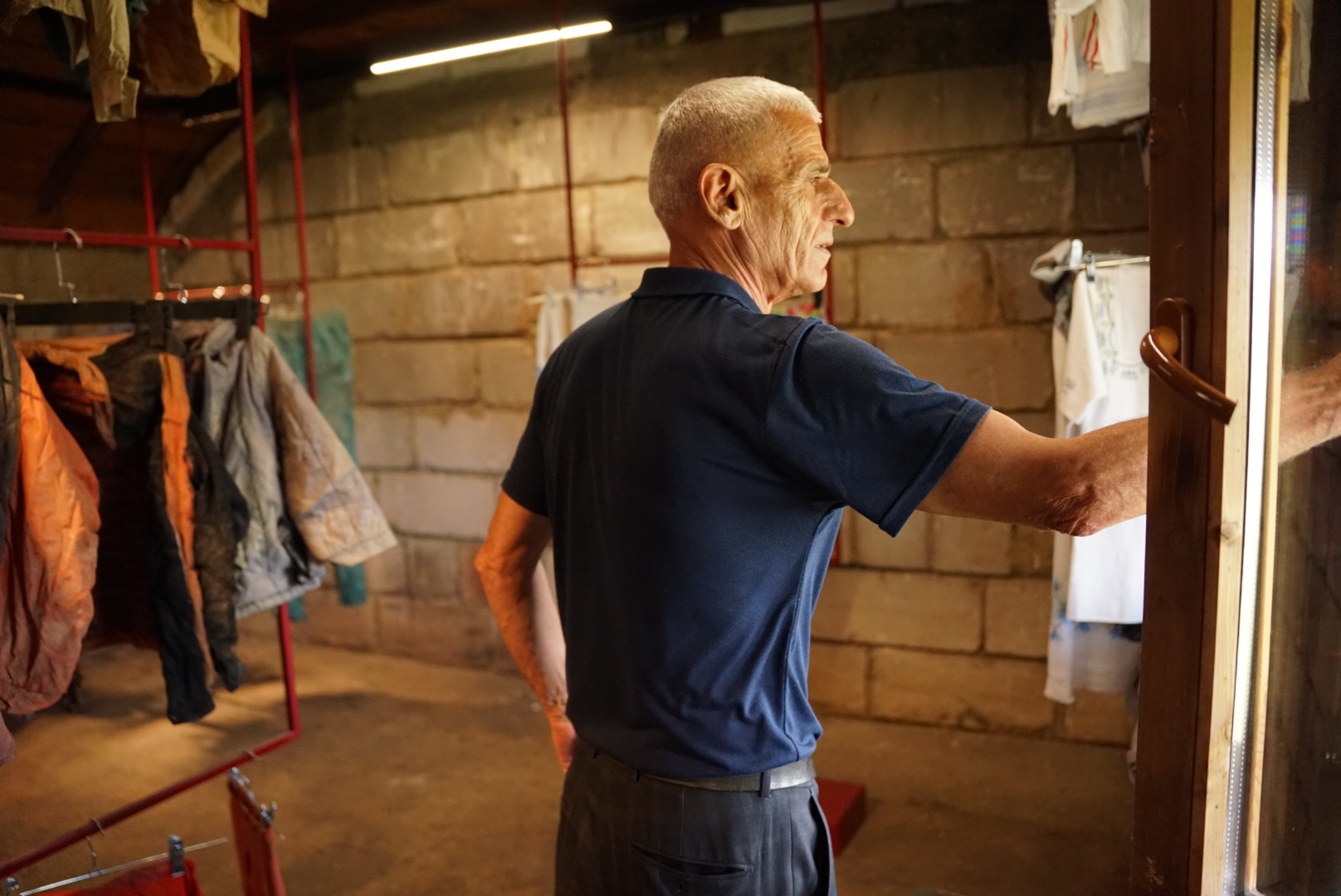
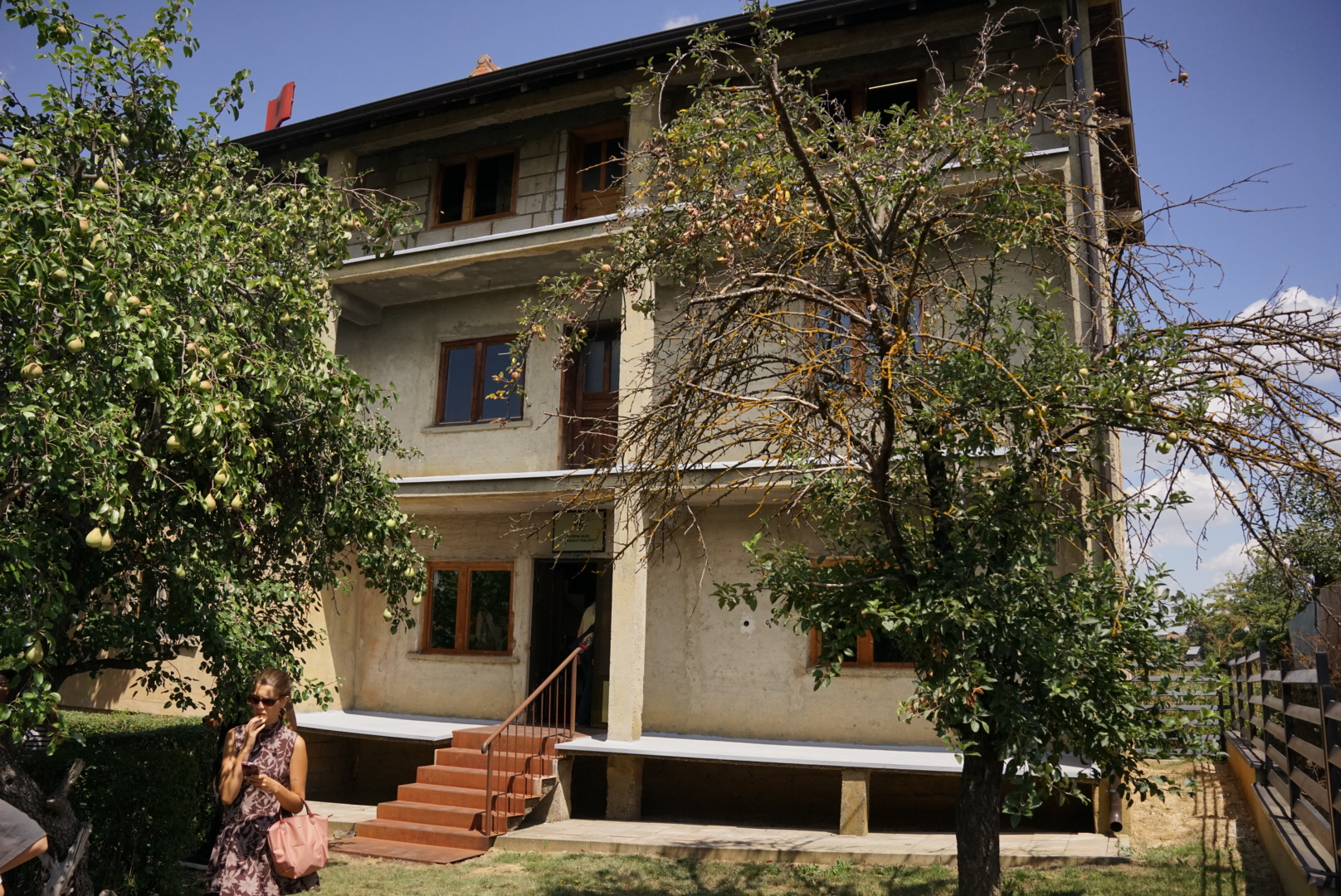
(Poklek and Pristina, Kosovo) Fadil Muqolli opens the window on the second floor. A little breeze enters the room. The clothes hanging from the rail begin to move, and the empty hangers knock softly against each other.
We are in Poklek, a village in central Kosovo. On 17 April 1999, Serbian forces killed 53 people inside and around this house. 24 of them were children. The dead came from four families — Muqolli, Cerraku, Elshani and Hoxha — and among them were 14 members of Fadil's close family: his parents, his wife, his four children and several of his siblings. Shehidja was 14. Naseri was 12, Ylberi 10. Egzoni was four.
27 years later, Fadil lives nearby. He remarried, has two sons, and built a new life. But he has never really left this house. He has preserved it and turned it into a museum. Clothes, photographs, notebooks and other belongings of those killed remain inside. He welcomes visitors and tells them what happened, again and again. He speaks almost in a whisper.
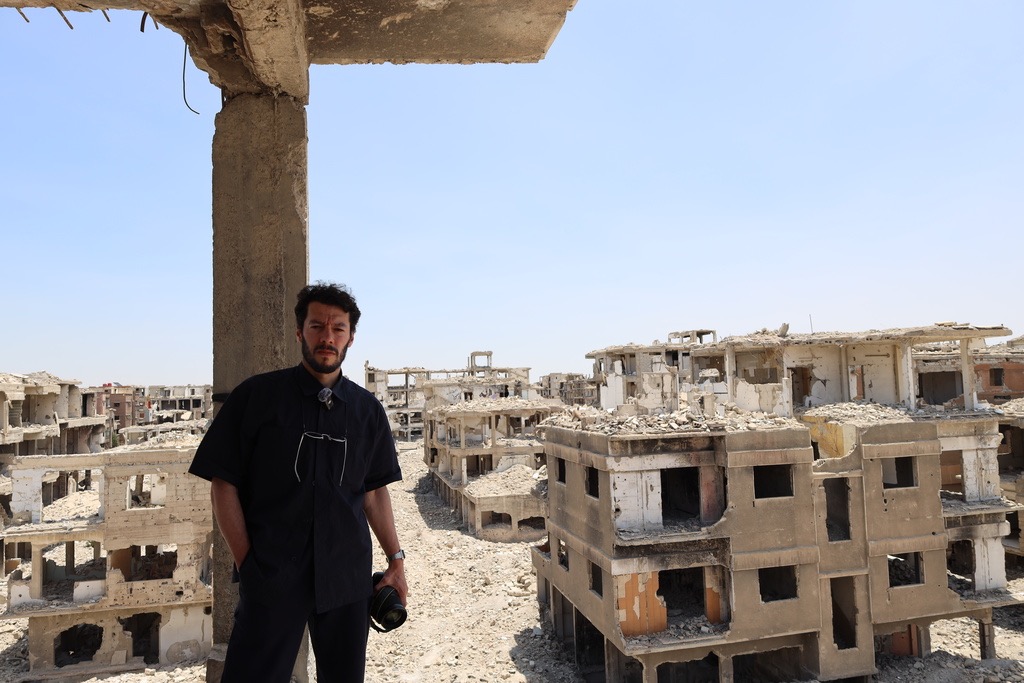
Today his visitors are participants in a summer school on transitional justice organised by the Humanitarian Law Center Kosovo: around 20 young people, between 18 and 25, from across the Balkans. I came with them, though I am neither from their generation nor from the Balkans. My research is on Syria after the fall of Assad, and I came to see what a society does with its war 27 years after it ends. Here, part of the answer is an organisation deciding how to hand that war to people who did not live through it, and the places it chose to take them.
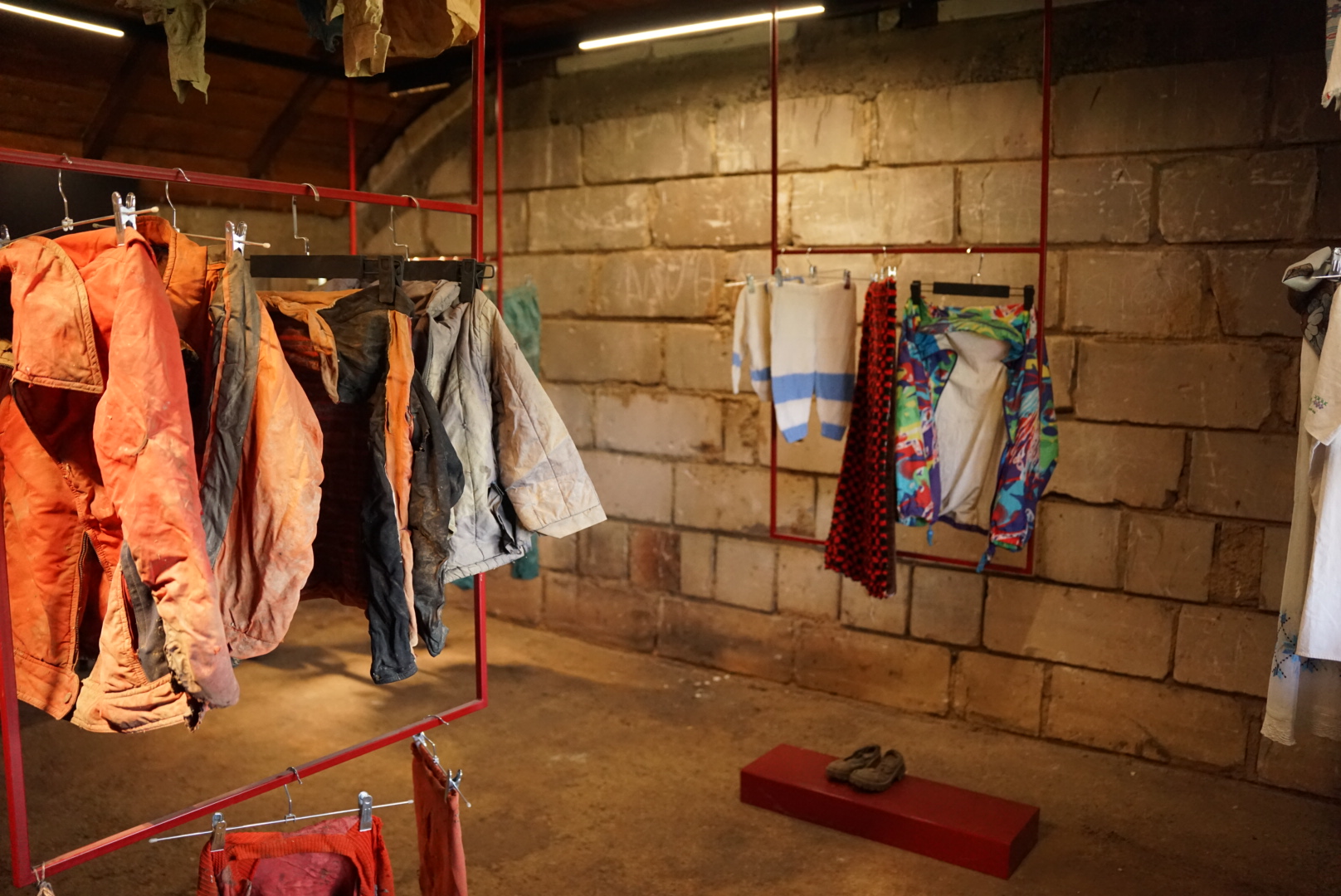
No one has been convicted for the Poklek massacre. For Fadil, preserving the house has become a way of keeping evidence, telling the truth and demanding a form of justice the courts have so far failed to provide.
In Syria, memory has done the same work that institutions could not. Former detainees of Saydnaya were held blindfolded or in darkness for much of their imprisonment. In 2016, working with Amnesty International and Forensic Architecture, they helped reconstruct a digital model of the prison from memory and from the sounds they heard, so that a record could exist of a place independent observers had never been allowed to enter.
In Kosovo, dealing with the past has taken many forms. There have been trials and investigations, but also exhibitions, archives, memorials and efforts to document the names and stories of those who were killed or disappeared. Transitional justice is broader than criminal prosecution. In practice it is whatever a society builds to carry what the courts cannot.
A comprehensive state response came much later. Kosovo adopted its first national strategy on transitional justice in June 2024, 25 years after the war ended. The Strategy on Transitional Justice in the Republic of Kosovo 2024–2034 is candid about what preceded it: the process, it says, "has been accompanied by fragmented and ad-hoc initiatives", and "previous initiatives aimed at truth seeking have not fulfilled their mandates". The document positions itself as "an umbrella for all existing initiatives". Reviewers were less generous. Balkan Insight described a strategy that aroused hope and doubts in equal measure; forumZFD called it a shaky start.
Between the document and the village there is still a long distance.
Long before there was a national strategy, families and civil society organisations were already doing much of this work themselves.
Jelena Subotić's account of the Balkans turns on this distinction: tribunals are necessary and insufficient, and dealing with the past has to become a broader social process — acknowledgment, education, and a change in how a society narrates its own violence.
We drive half an hour from Poklek to Pristina, where the Humanitarian Law Center Kosovo is based.
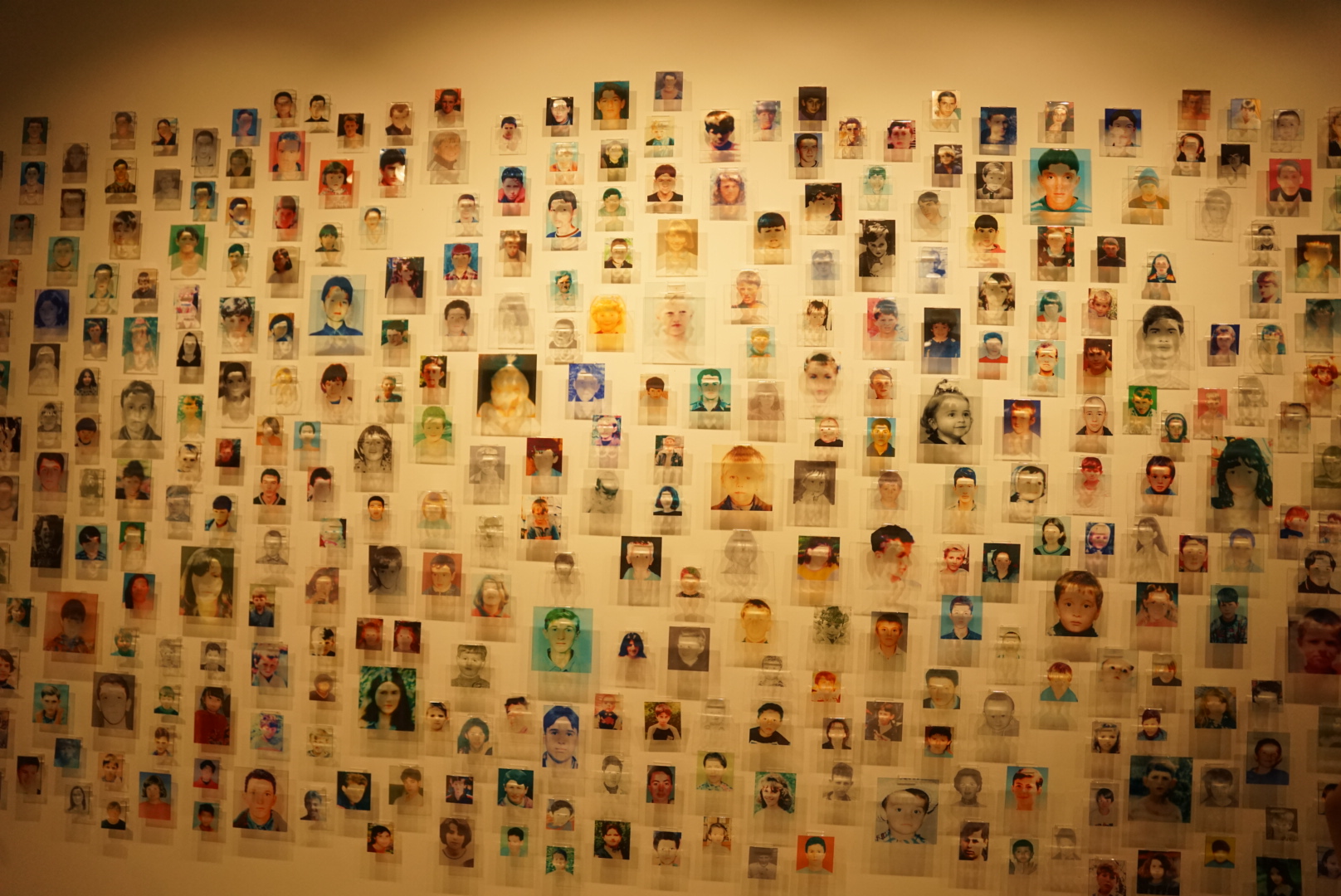
The first thing you see when you enter is a 16-metre wall covered with names. There are 1,130 of them. Beside some is a small red circle. The exhibition is called Na ishte një herë që kurrë mos qoftë — Once upon a time and never again. It commemorates the children killed or missing as a result of the war in Kosovo between 1998 and 2000: 1,029 killed, 101 still missing. The red circles mark those whose fate remains unknown.
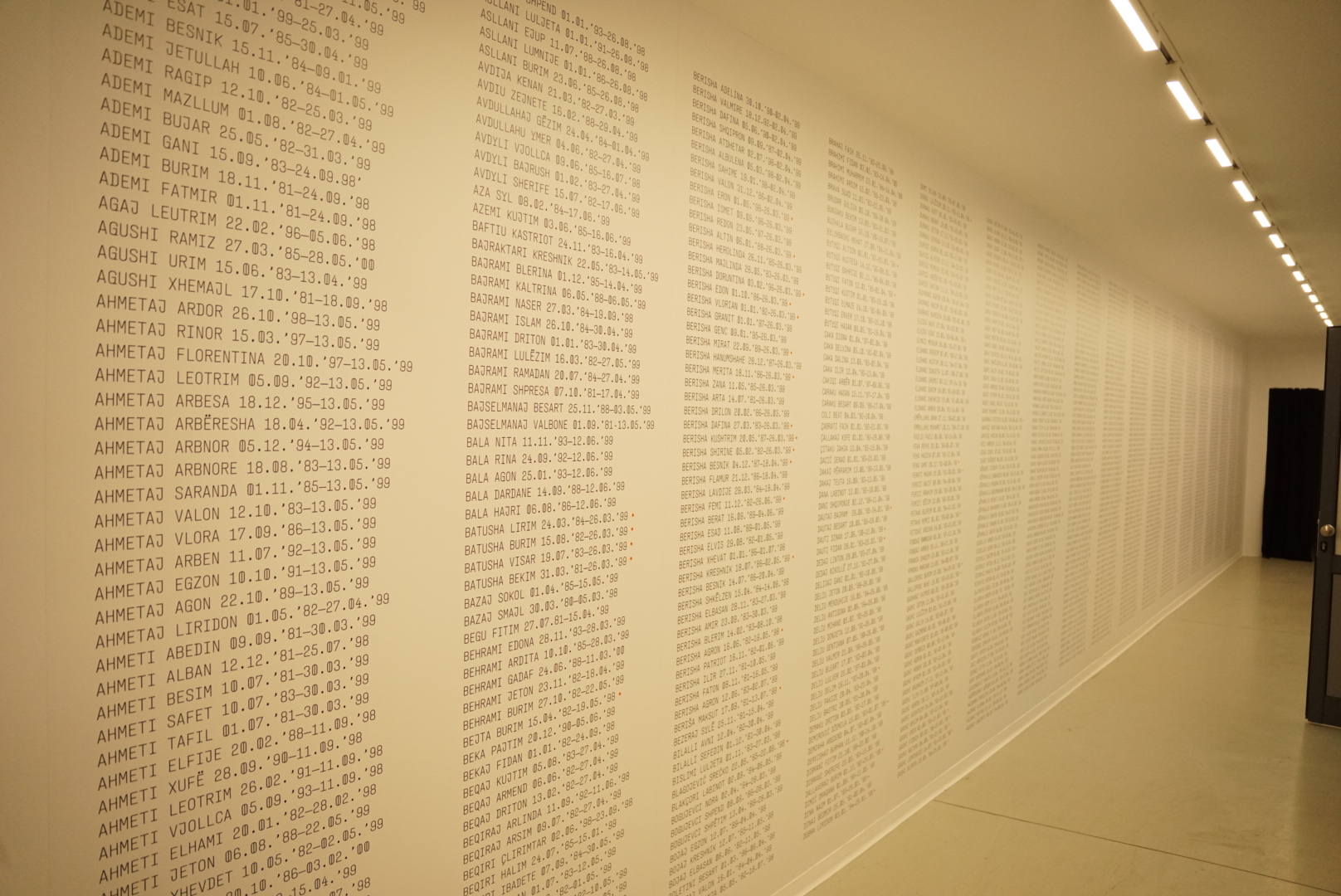
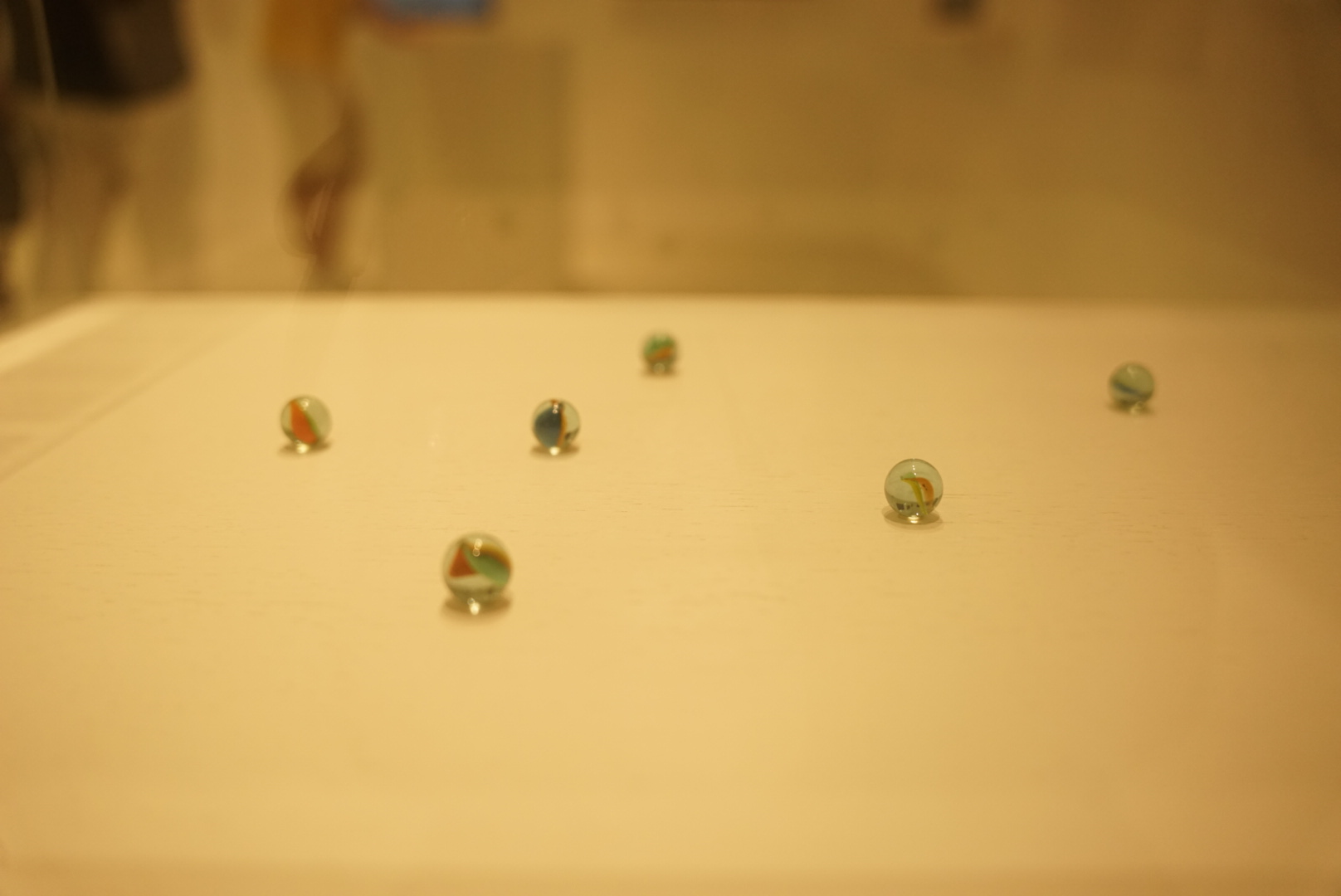
The exhibition opened in May 2019 and was meant to run for a single year. Families asked for it to stay. Many of them had donated something that once belonged to their child: a piece of clothing, a toy, a school notebook. The temporary exhibition became permanent. For many of these families, the story is not finished.
Standing in front of the wall, I think of the Caesar photographs smuggled out of Syria: thousands of dead detainees, each one marked with a number instead of a name. This wall works the other way. It starts by giving the name back.
The count is not only Albanian. The exhibition's manager has said so plainly: the children on this wall include children of other nationalities. That decision is the whole argument of the room.
After we walk through the exhibition, an elderly couple enters. They are Kosovo Serbs. Their children are also among the names on the wall.
On 1 May 1999, a NATO strike hit a Niš Ekspres passenger bus as it crossed the bridge at Lužane on the road towards Pristina. The wires that day reported 34 dead. The Humanitarian Law Center, which documented the victims by name, counts 44: 31 Albanian civilians and thirteen Serbs, seven of them civilians. Human Rights Watch lists Lužane among the incidents where the precise civilian toll remains uncertain. An ambulance that came for the wounded was hit in a second strike. Amnesty International devoted a case study to the bus and the ambulance in its June 2000 report "Collateral damage" or unlawful killings?.
Among the dead were three members of the Petrović family: Nikola, 17; his sister Marija, 15; and their grandmother, Smiljana.
The couple standing in front of us are Nikola and Marija's parents.
They stand in the middle of the group and tell us about Nikola and Marija. Who they were. How they were killed.
They, too, speak almost in a whisper.
Then they walk to the wall and stand in front of a photograph of their children. Later they show us what they gave to the centre. Marija's sweater is behind glass.
"This is hers," her mother says.
She keeps looking at it.
There is a memorial at Lužane, too.
On 1 May 2021, the twenty-second anniversary of the attack, the mayor of Podujevo unveiled a plaque at the site. It carries 31 names — the Albanian victims. Entry 32 is not a name. It is an ellipsis: three dots, standing in for 13 people who died on the same bridge, in the same minute.
Here are the thirteen. Milovan Cvetić. Božur Filipović. Života Grujić. Miroslav Ilić. Vladica Ivanović. Miodrag Janković. Vukosav Jelić. Bojana Kostić. Milana Malinić. Marija Petrović. Nikola Petrović. Smiljana Petrović. Zoran Vukadinović.
It takes four lines. The stone had room.
The Humanitarian Law Center Kosovo objected publicly. Its director, Bekim Blakaj, said it was inappropriate and unacceptable that the victims were divided "simply because they belong to another ethnic community", and warned that leaving them off the stone feeds historical revisionism. All 44, he said, shared the same terrible fate.
So Marija is a sweater behind glass in Pristina and a punctuation mark on the bridge where she died. The same country produced both.
Her grandmother is in the ellipsis too. So is her brother.
Kosovo's war was marked by a campaign of mass violence and forced displacement against Kosovo Albanians. Recognising that is not optional, and nothing about the Petrović family alters it. But not every civilian victim was Albanian, and not every civilian was killed by the same actor. The wall in Pristina answers this by beginning with the victim: a child killed by Serbian forces, a child killed by NATO, or a child who is still missing is first recorded by name. The plaque at Lužane answers it by leaving the arithmetic in and taking the names out.
Subotić describes the pattern: communities identify strongly with their own victims and develop incompatible accounts of who a war's victims and perpetrators were, so that commitment to accountability turns selective wherever it reaches the other side.
In Syria this is not a lesson from somewhere else. Within months of Assad’s fall, the killing of Alawite civilians on the coast and of Druze and Bedouin civilians in Sweida raised the same question in real time: whose dead get named, and by whom?
A name on a wall can keep a life from disappearing into a statistic. It cannot determine responsibility or punish anyone. But the three dots show that even the smaller act is contested, and that it can be refused.
Kosovo has not lacked courts. The International Criminal Tribunal for the former Yugoslavia tried the senior cases. The UN administration put international judges and prosecutors into Kosovo's own courts from 2000; the EU's rule-of-law mission prosecuted war crimes until 14 June 2018, when the files passed to Kosovo institutions; the Kosovo Specialist Chambers, established under Kosovo law but seated in The Hague, is the most recent layer.
There have been convictions. In February 2009 the ICTY convicted five senior Yugoslav and Serbian officials of crimes against Kosovo Albanians, and acquitted a sixth. Vlastimir Đorđević, a senior Serbian police official, was convicted separately; his appeal, in January 2014, was the tribunal's final Kosovo case. The Specialist Chambers has convicted two former KLA members, Salih Mustafa and Pjetër Shala, for arbitrary detention, torture and murder.
Then read the same list downwards.
Dragoljub Ojdanić — appeal withdrawn in January 2013, early release that July.
Nikola Šainović — twenty-two years, reduced to eighteen.
Nebojša Pavković — twenty-two years, upheld.
Sreten Lukić — twenty-two years, reduced to twenty.
Vladimir Lazarević — fifteen years, reduced to fourteen.
Vlastimir Đorđević — twenty-seven years, reduced to eighteen.
Salih Mustafa — twenty-six years, reduced to twenty-two, then to fifteen.
Pjetër Shala — eighteen years, reduced to thirteen.
In Poklek there is no sentence to reduce.
At the end of the conflict, between 4,400 and 4,500 people were reported missing. Most have since been accounted for, many through DNA identification and the recovery of remains; the International Commission on Missing Persons has identified 2,466 people. About 1,700 remain unaccounted for. Roughly four hundred sets of remains lie in the mortuary in Pristina, matched to no one.
For the families they belong to, the demand comes before any trial:
Where is the person?
Answering it requires excavating suspected graves, identifying remains, comparing DNA samples and exchanging information between institutions in Kosovo and Serbia. That work is still going on.
This is where Kosovo becomes most familiar to me. In Syria, enforced disappearance remains one of the most difficult legacies of the post-Assad era. A dictatorship can fall and the question survives it, intact, addressed to whoever is standing there next.
I am not equating Kosovo and Syria. Each has its own history, politics and scale of violence. What feels familiar is the waiting — the way disappearance outlives the political order that produced it, leaving families suspended between knowing and not knowing, and the way the fall of a regime rearranges everything except the sentence a mother has been saying for 20 years.
Syria’s process runs in a different order. It began before Assad fell, and abroad: families and former detainees built archives of the dead and disappeared, and survivors who reached Europe took cases to courts there. In 2022 a court in Koblenz sentenced a former intelligence officer, Anwar Raslan, to life for crimes against humanity. Since December 2024, justice has moved home, fast. In August a court in Damascus sentenced Atef Najib, the security chief in Daraa when the uprising began, to death, and Bashar al-Assad with him in absentia. All of this has happened before Syria has a transitional justice law to hold it together. Kosovo had its courts first and its strategy 25 years later. Syria has its trials and is still waiting for the rest. And more than 177,000 people are still missing.
A few days later the question follows me to Prizren.
The city is hosting DokuFest, its annual documentary and short-film festival. At one of the discussions, women from different parts of the Balkans sit together on stage to talk about memory, justice and what remains unresolved. Among them is Saranda Bogujevci, who became Kosovo's Minister of Culture and Tourism in February.
Her relationship with this past is not only political. On 28 March 1999, in Podujevo, members of the Serbian paramilitary unit known as the Scorpions killed 14 people from three families in a courtyard: seven women and seven children between the ages of two and 15. Bogujevci was 13. She was shot 16 times. Her mother and two of her brothers were among the dead. Five children survived.
Four years later, she and the other surviving children testified in a Belgrade courtroom against Saša Cvjetan. He was sentenced to 20 years. He was released early in April 2018. Another convicted member of the unit, Miodrag Solaja, received 15 years and served 12.
So when Bogujevci questions the word that is so often used to describe what should come next — reconciliation — she is not speaking from a position of refusal. She was a teenager and she went to Belgrade and she gave evidence and it worked, and then it was shortened.
In a society where responsibility remains contested and many victims feel justice has not been delivered, reconciliation can sound like an invitation to forget.
Selective cuts both ways. A plaque that will not name 13 of the dead. A sentence in Belgrade that ended early. These are not the same act. But both treat the other side's dead as a smaller loss.
Listening to Bogujevci, I think again about Fadil and the Petrović parents.
And then there are the young people sitting around me.
None of them was alive during the war. The violence we have spent the week discussing is not something they remember. It reaches them through parents and grandparents, political speeches, schoolbooks, court judgments, museums, photographs, plaques, and places like Fadil's house.
They are not being asked to remember something they experienced. They are being asked what to do with a memory they inherited.
Marianne Hirsch calls this postmemory: a past reaching a later generation through images, objects and behaviours rather than recollection, and shaping how it understands itself all the same.
What is inherited is not only truth. It is also fear, resentment, silence, and a settled sense of who belongs on which side. One generation can pass down the names of its dead. It can also pass down the conviction that the other side's dead are somebody else's business — three dots, a rounding error, a matter for their families to raise elsewhere.
That is what the week was for, as far as I could tell. Not to give these 20 people a memory. They already have one. To put them in rooms where the inherited version does not quite fit: a house in Poklek, a wall in Pristina where the count includes children their own countries would rather not count, a stage in Prizren where a minister says the reassuring word out loud and then declines to be reassured by it.
Whether it takes is not something I can report. They were young, and they went home.
Back in Poklek, Fadil Muqolli opens the window and the clothes begin to move.
Then he tells the story again.