
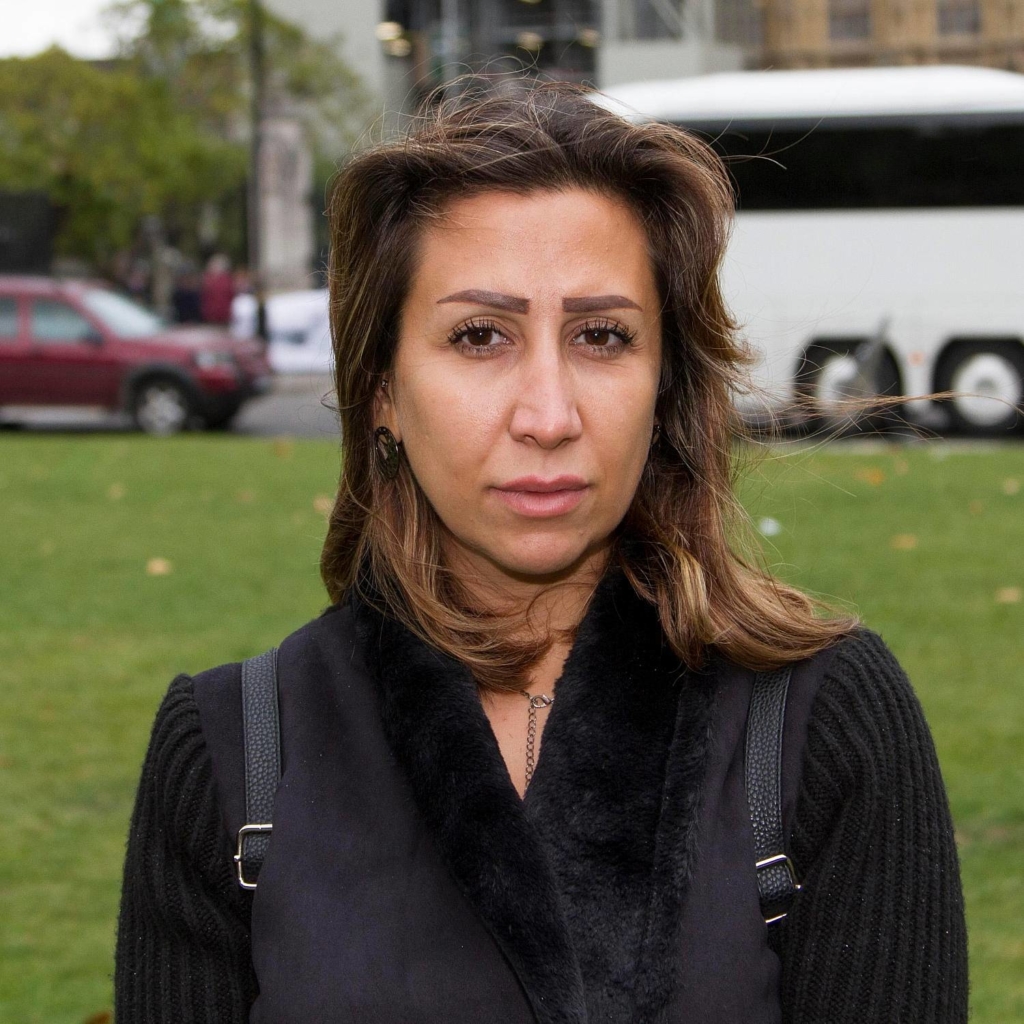
March is a month that brings back different and contradictory memories to me. March is the month when spring starts, with its colors, singing birds, and sunny days. In March 2011 the Syrian revolution erupted, the most meaningful experience of my life. That year is tattooed on my right arm as a long life reminder.
In March, my mother celebrates her birthday.
In March 1992, my father was arrested for the last time. In March, 2014, my mother started her cancer treatment. In March 2025, the massacres on the Syrian coast took place.
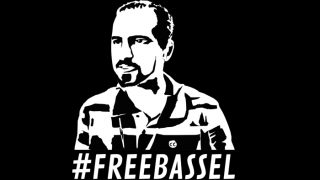
In March 2012, twenty years after my father, Bassel Safadi was arrested.
The activist, and the end of a revolution
For the world, Bassel was a prominent Palestinian-Syrian activist and programmer. He was a very talented young man, who could have been, under different circumstances, another Steve Jobs (who, for those who don’t know it, came originally from a Syrian family).
Bassel believed in the concept of open source, in the accessibility of knowledge, and freedom of expression. When the revolution started, he became very involved, and an advocate for peaceful resistance. He supported the uprising on many levels, providing digital security for activists, documenting the demonstrations and their repression, helping people in need of medical and humanitarian assistance, and raising awareness about digital rights. For the regime, his non violent activism and international popularity were far more dangerous than the actions of armed groups.
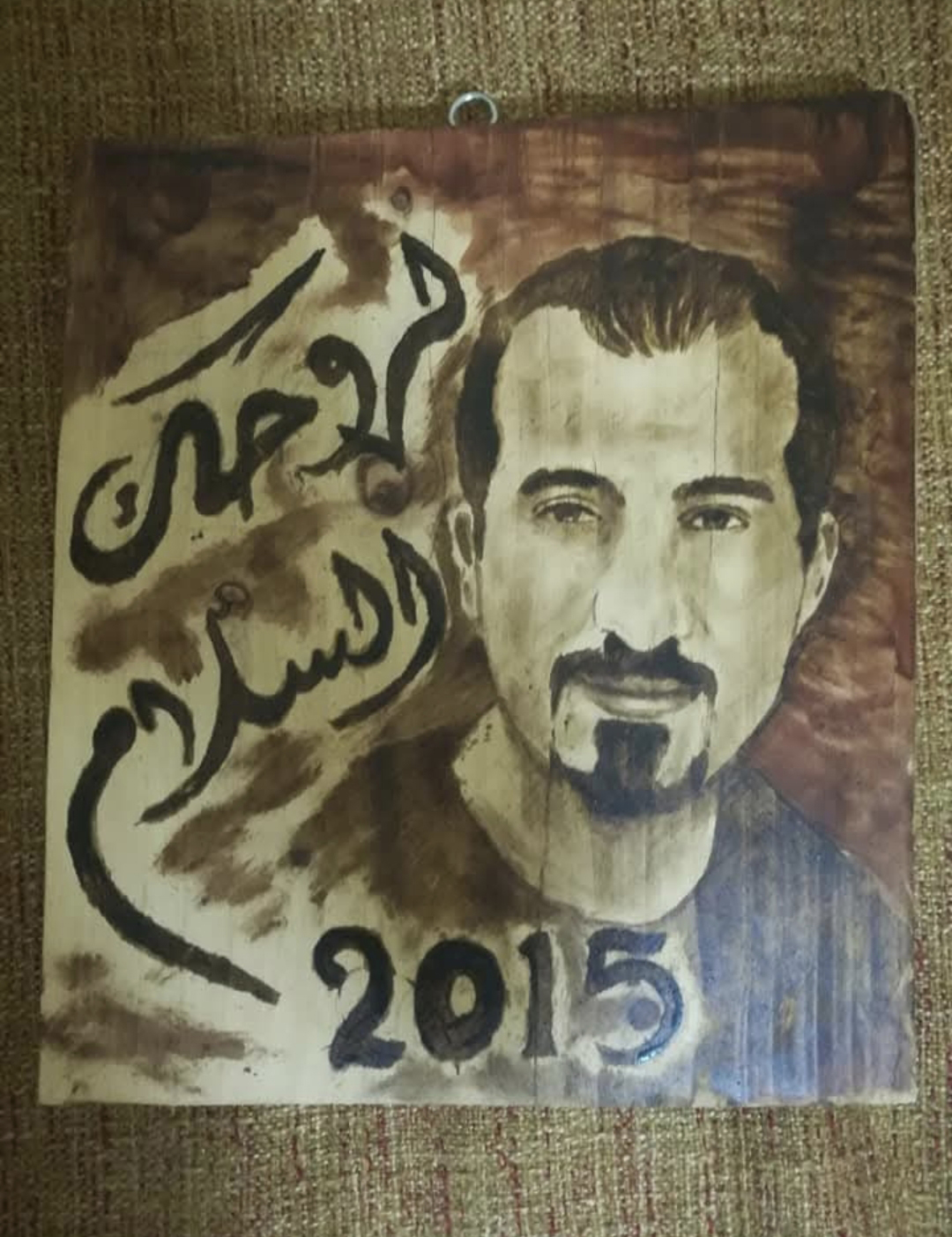
He was detained on 15 March 2012, by the branch 215 of security services. They set a trap for him in the Al Mezzeh neighborhood of Damascus. For 10 months, they kept moving him from one prison to another. He was first incarcerated in the investigative military branch 248, where he remained nine months and went through torture and interrogation. Then he was transferred to the central prison of Damascus, aka Adra prison, for three weeks. Here prisoners’ treatment was supposed to be better, but he was still prevented from seeing his lawyers and his family, as he was referred to the military court. He was moved to the infamous Sednaya military jail for another three weeks, before returning to the Adra prison again.
This time, thanks to the global #FreeBassel Campaign, he was finally granted access to phone calls and family visits. However, we were informed he has been accused by the military court of being a spy for an enemy country.
After two years and nine months, on 3 October 2015, he disappeared again. We didn’t receive news about him anymore, until, on 1 August 2017, we were informed he had been sentenced to death.
He was arrested two weeks before our wedding date. We married, one year later, on 7 January 2013 in the Adra prison.
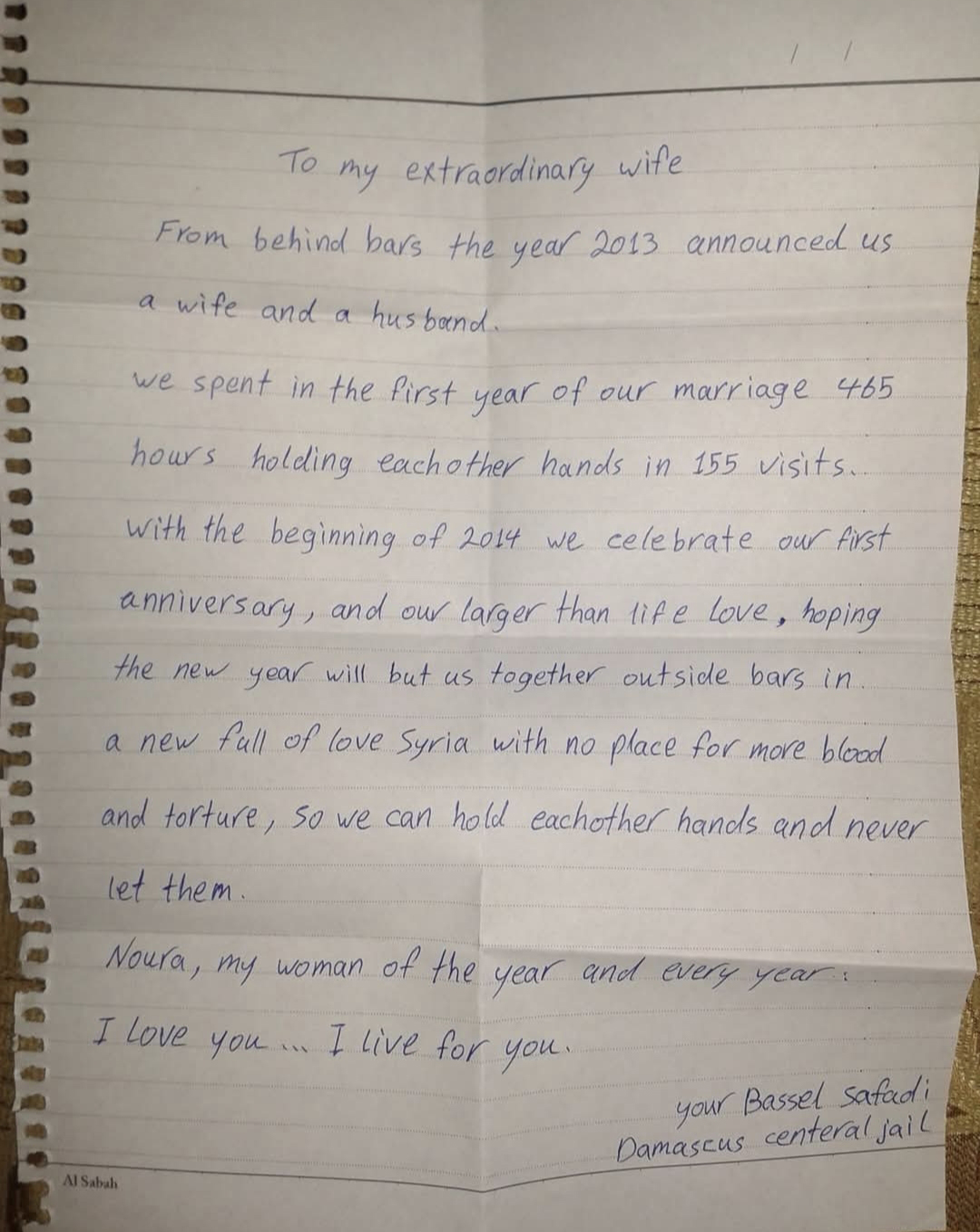
For me, Bassel is the man who changed my life forever, who left me with an open wound in my heart.
I lost him several times, the first when he was detained, the second when he was moved to Sednaya, the third and last when he disappeared forever in Adra prison.
Since there was no body, no accurate information, no burial location, each time I received a new piece of information confirming his execution, I felt the loss again and again: when in July 2018 his father received his death certificate; when in December 2024 the doors of the prisons were finally opened and he didn’t come out; and when, in October 2025, I obtained the verdict document of his execution.
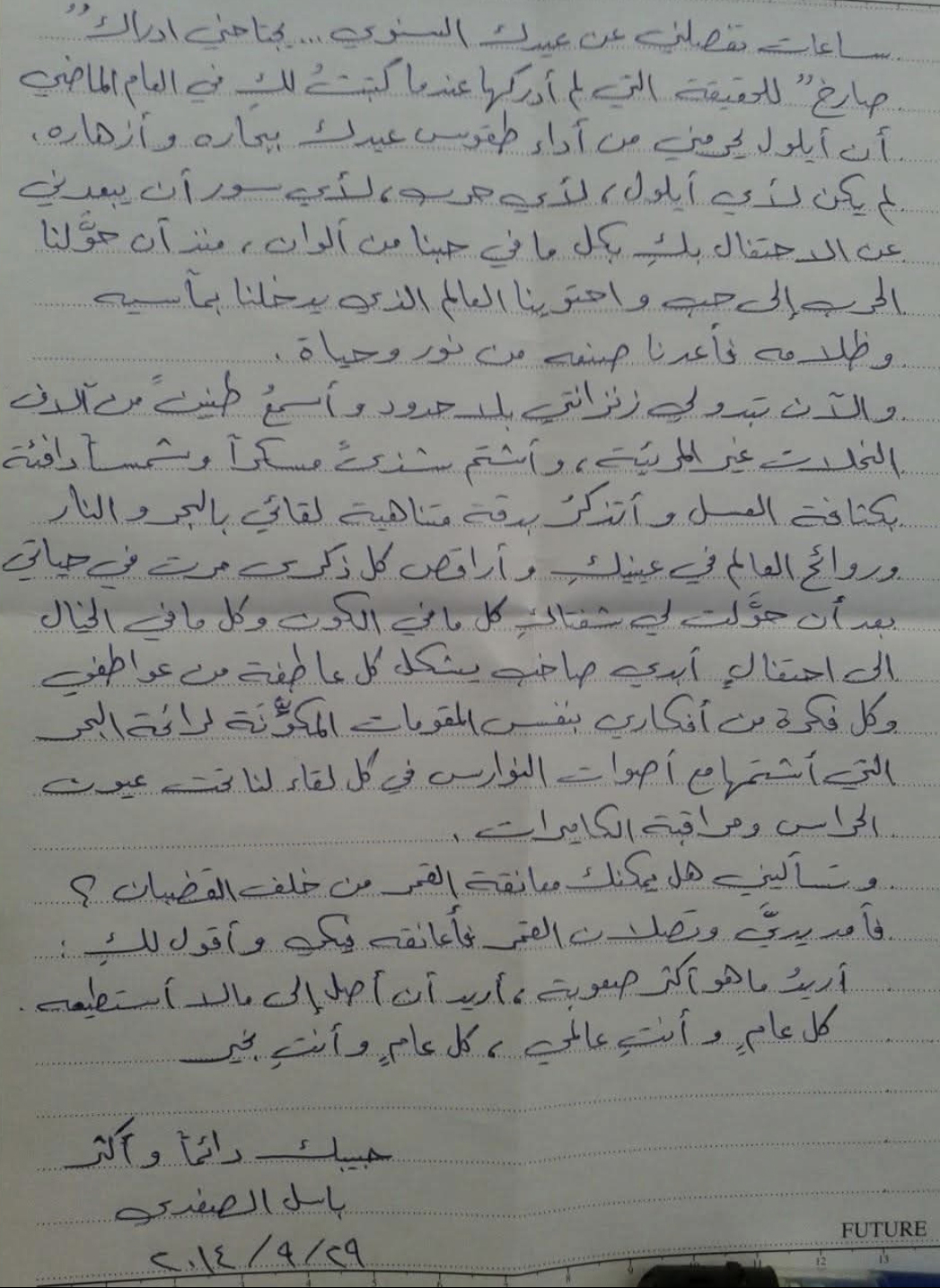
The letters
A month after the collapse of the Assad regime, I started to review Bassel’s letters, after I decided with some of his friends to collect them with the idea of publishing them as a book.
This is the only tangible heritage I have from him, and the most precious thing I own. I don’t want them to become just a memory, and I think they should be available to others to read.
It took me ten months to review more than 2000 pages of letters he exchanged during those years.
The original letters are not with me. It wouldn’t have been safe. My friend Raheeq has them, and he was scanning them regularly.
Most of the letters are exchanges between me and Bassel, others between him and his friends, family, and ex partners.
We already published some on social media, but they are only a tiny fraction of the hundreds of pages he wrote.
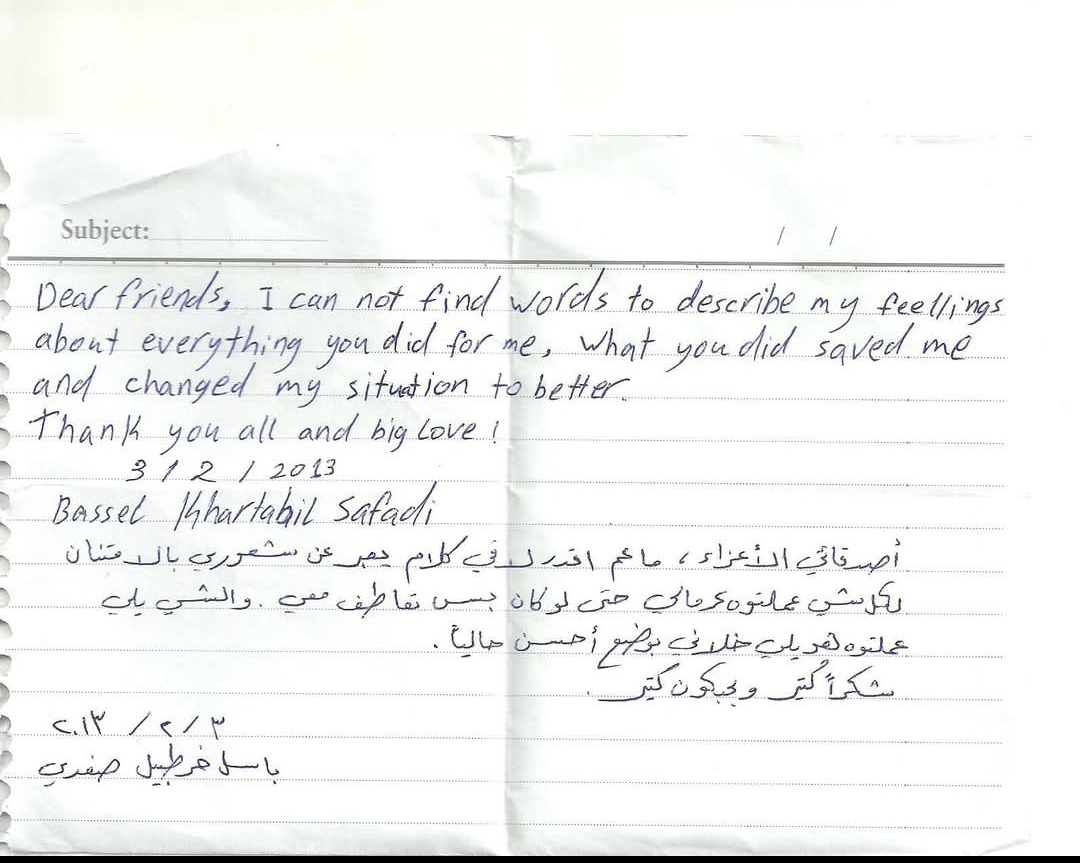
My communication with Bassel during the years he was in prison took place above all through written letters, not visits or phone calls. Writing and reading, we could talk about everything. I also became the mediator between him and many of his friends, bringing to and receiving letters from him, to the point that I started doing it for other detainees too.
In that period, reading, delivering and picking up letters kept me completely busy. Even when there were bombing and snipers shooting, I kept going to the Adra prison.
Those letters tell an essential part of Bassel’s history, my history, of the prisons of Adra and Sednaya, and of all the military branches, in other words, of our history.
I do believe those letters are historical documents, sometimes the only ones that contain information about detainees who disappeared forever. But also about my and our fight, the long journeys to the prisons, which the hundreds of families of detainees and forced disappeared had to undertake.
Some of the letters could be considered as criminal evidence, and I feel a high responsibility to publish them. But they should be accessible to everyone, to know what happened, and to keep alive the memory of Bassel on this 14th detention anniversary, as well as the memory of all Syrian disappeared in the dungeons of the Assad regime.
Epilogue
Perhaps there are always reasons for everything we have been through. It took me almost nine years to fall in love again. I met Mahmoud in Paris, in July 2024, a Lebanese artist talking with a Damascene accent and French words. I was not alone anymore. It felt like a gift for all the pain I suffered. We married on 3 May 2025. Some of the wedding’s guests were Bassel’s friends, who participated in the #FreeBassel campaign, or who had been in prison with him.
After my second date with Mahmoud, on my way home, I felt I was falling in love again. I told Bassel this secret and I could see his face in the sky between stars, smiling to me. It was the first time I saw him happy since the last time I met him, a long time ago, in September 2015.