Queer Voices
What would an alternative memory of Syria look like if the experiences, stories, opinions, analyses and perspectives of members of the LGBTQ+ community – both in Syria and in the diaspora – were taken seriously? How can we approach the present in ways that allow us to envisage a future for the Syrian state in which the LGBTQ+ community – and everyone and everything considered ‘non-traditional’, ‘non-conventional’ and ‘non-binary’ – forms an integral part of that vision?
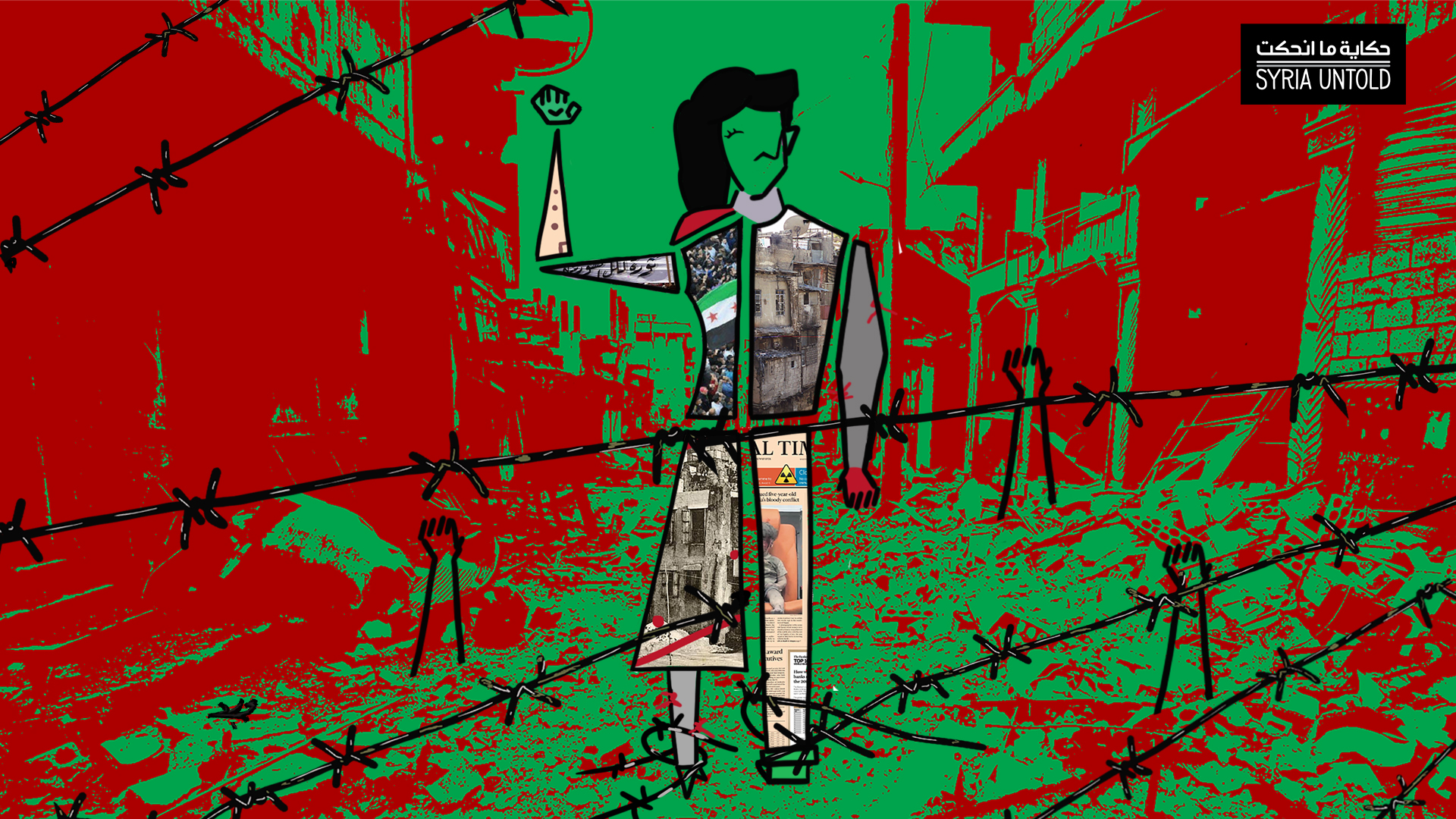
Frames of Homosexuality in Damascus
31 October 2024
Women in Damascus are more reserved than men regarding their relationships. They tend to be secretive out of necessity or habit, and when they do break their silence, they often...

I knew I was one of you and I created my new family
17 April 2024
Sarah Khayat's illustrations capture the tapestry of LGBTIQ communities as they weave together alternative families rooted in love and compassion. Khayat delves into the essence of familial bonds formed not...
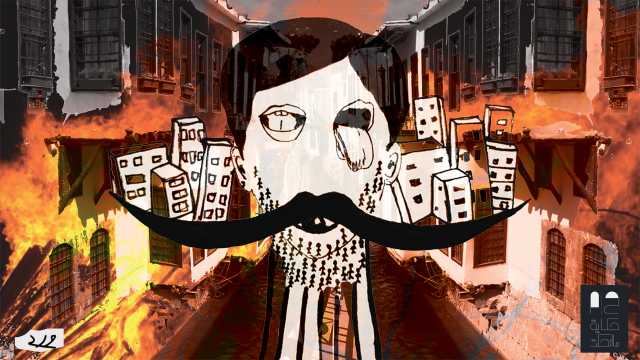
The Tantat of Syrian theater and the rituals of the last days
01 March 2024
Who can refute the profound influence of time and place in shaping individual and cultural identities? Jean Genet's narrative, his intimate moments in Damascus during the late twenties and his...
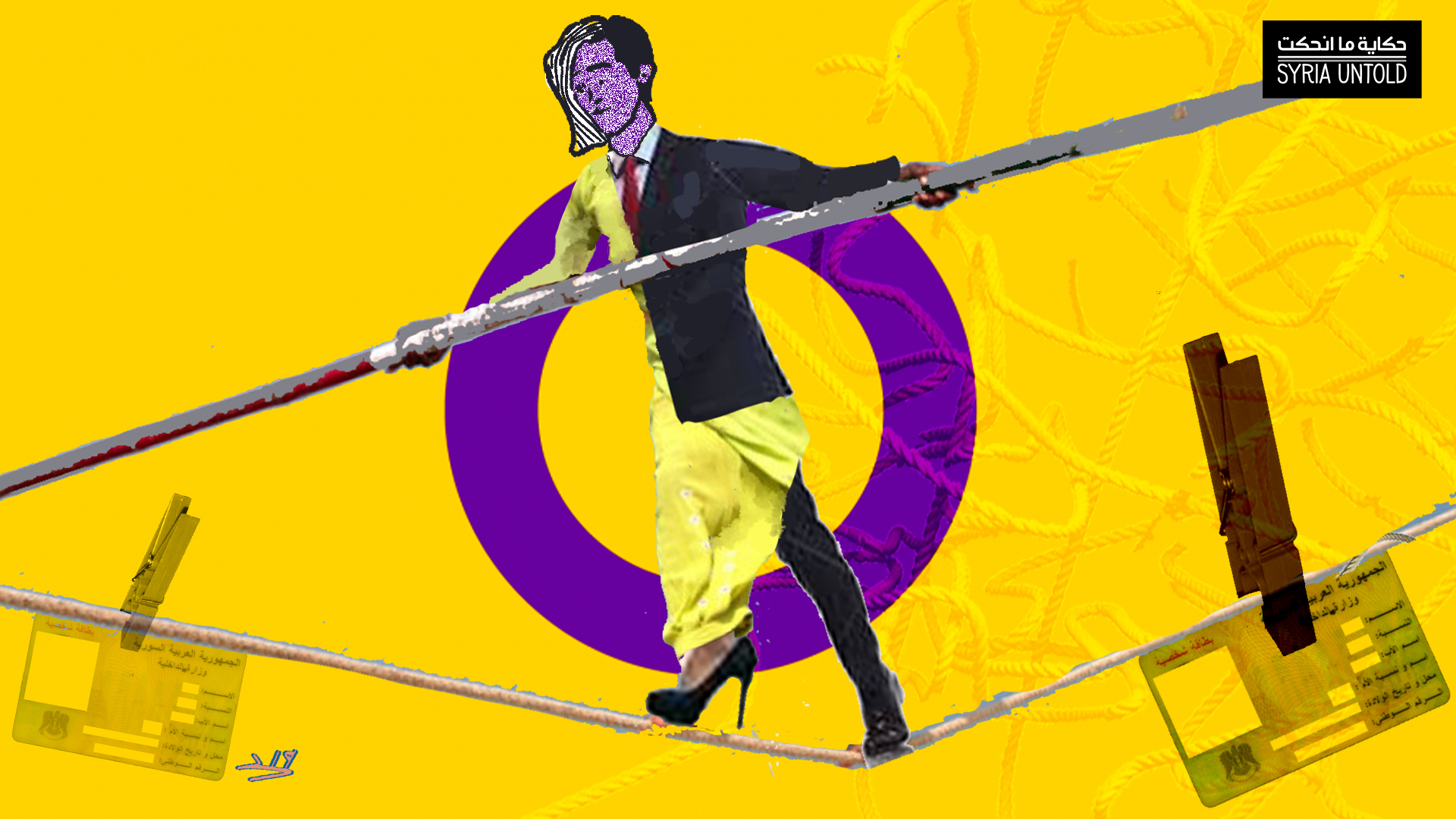
Intersex representation in Syrian Television Drama
06 October 2023
Fadi Saleh sheds light on the portrayal of intersex persons in Syrian drama at a time when LGBTIQ+ issues were not as present in political and cultural scenes as they...
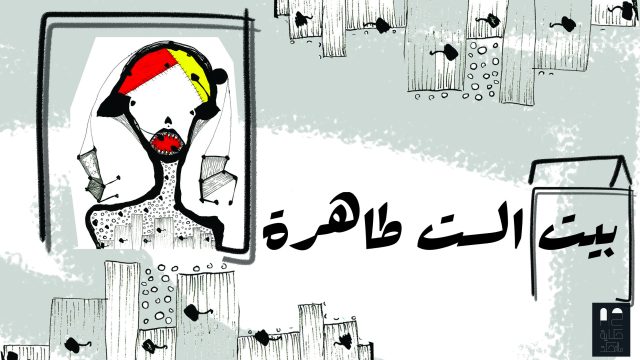
Chez the Maidenly Madam. A contemporary queer theatre play
20 June 2023
Chez the Maidenly Madam is a contemporary Syrian queer play that centralizes queer characters and raises important questions about authority, family, asylum, gender, and sexuality in the context of an...
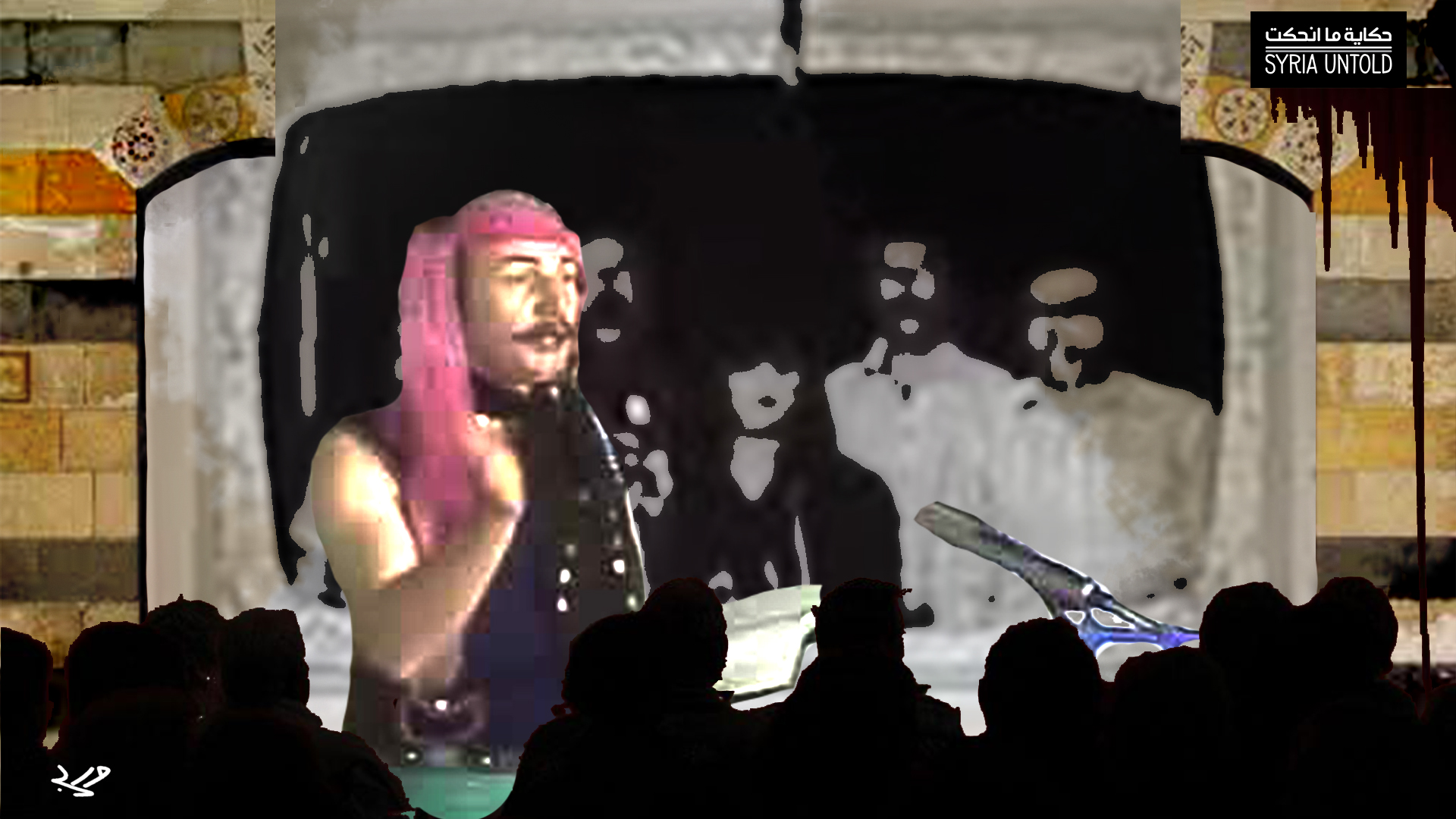
The legend of Zuzu
05 June 2023
Through the reading of the character "Atiyat" in the play "Kasak Ya Watan" and based on oral history interviews with the people of that era, Aram Al-Maidani weaves the "legend"...
This work is under a Creative Commons license. Attribution: Non commercial - ShareAlike 4.0. International license

Illustation by Dima Nechawi Graphic Design by Hesham Asaad