
On the third floor of an apartment building in Jaramana, south of Damascus, a figure discreetly parts a curtain to watch the street below. A quick phone call is enough. Permission to come up is granted. Behind the front door, Maya reveals herself. The 20-year-old transgender woman does not look well.
The day before, two men ambushed her at the entrance of her building. “They waited for me to come home, then dragged me up to my apartment while hurling insults and pressing my head against the ground”, she says, delicately smoking cigarettes with purple filters.
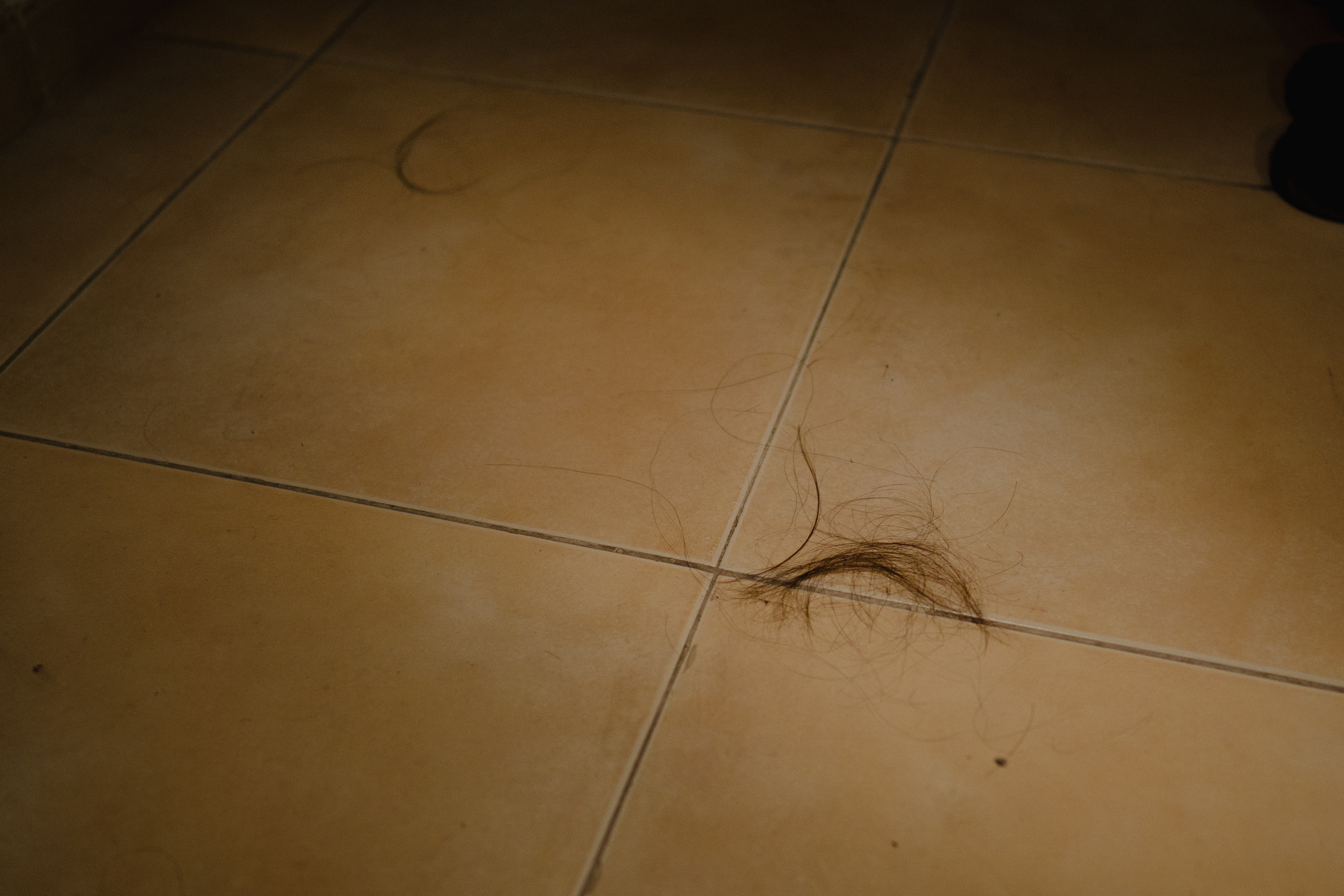
In the entryway of her small studio, a few tufts of hair still bear witness to the violence of the attack. The left side of her face is marked by bruises she has managed to soften with her makeup skills. “I dream of leaving my country and becoming a makeup artist”, she says with a faint smile, interrupted by pain in her neck.
Under the blood-soaked regime of dictator Bashar al-Assad, which fell on 8 December 2024, transgender people were criminalized. “The laws targeting the LGBT community have not changed since the French Mandate”, explains François Zankih, director of the Guardians of Equality Movement (GEM), the first organization supporting the community in Syria. The pre-colonial era was legally more permissive, with a sort of pragmatic tolerance. After the Mandate ended and Syria gained independence, the 1949 Penal Code was enacted. Article 520 became the primary tool for prosecution. “One of the articles bans dressing as a woman, punishable by six to nine months in prison”, Zankih adds.
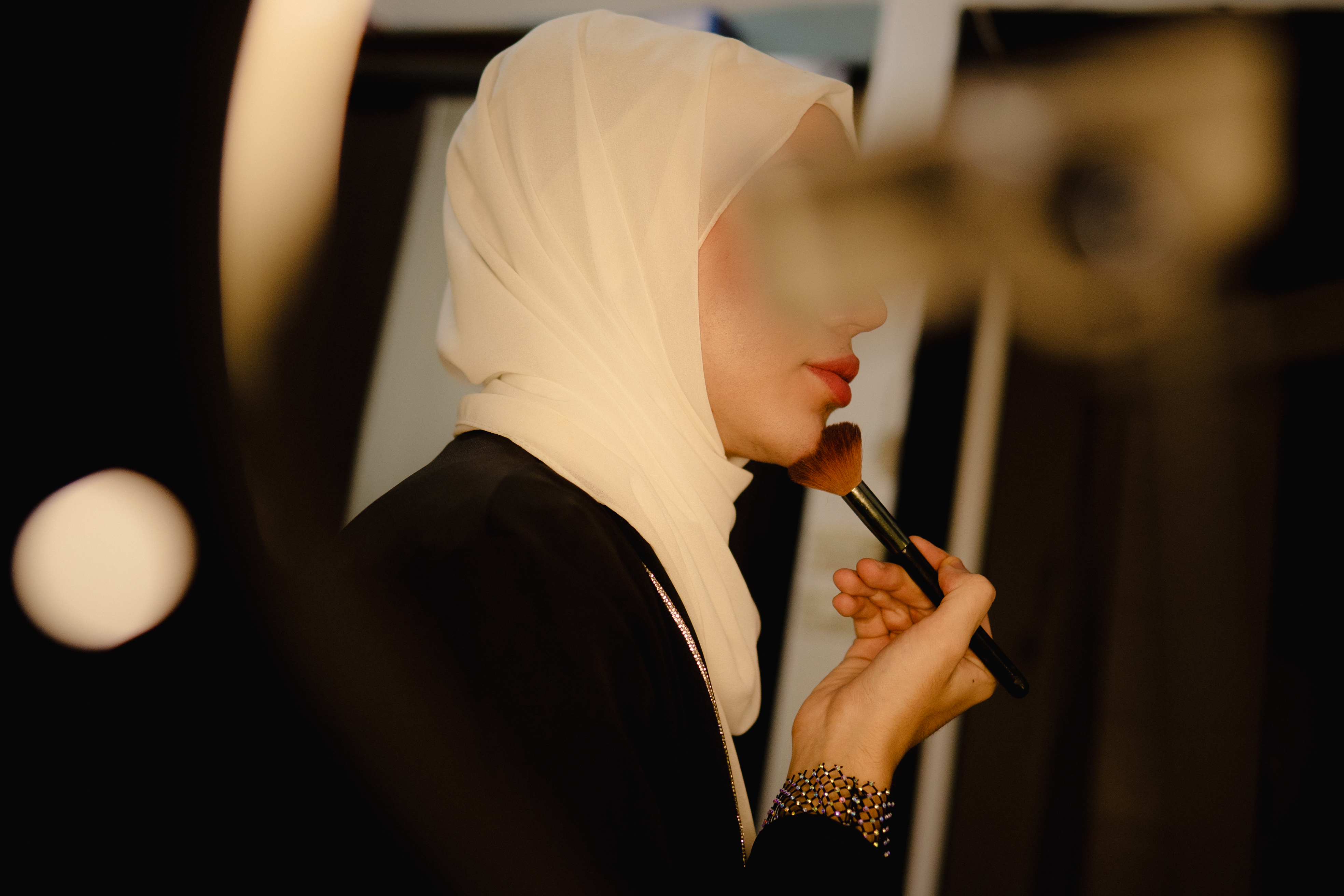
Maya has already faced that sentence. When Maya returned from Lebanon after turning 18 – following four years spent in the hands of abusive pimps after running away from her family home – she was imprisoned. “I spent several months in prison when I came back to Syria, including time in a facility reserved exclusively for transgender women, where I couldn’t even stretch my legs”, she sighs. “The guards grouped us together so they could abuse us. They would call us to follow them into their offices and force us to perform oral sex”, the young woman adds, her gaze almost impassive.
Of Paint Strokes and Words Underlined
26 May 2023
Once released from the carceral hell of Assad’s prisons, Syrian transgender women are condemned to another kind of confinement, this time in the open air. Live better, live hidden, one might say. In this conservative society, stares in the street are relentless; their ID cards even carry the mention “Gender Identity Dysphoria”. Maya has only a handful of friends in her Jaramana neighborhood, most of them from the LGBTQIA+ community. The rest of her social interactions take place online, through social media.
For many Syrians, Bashar al-Assad’s flight to Russia meant liberation and a regained sense of freedom after half a century of totalitarian dictatorship. But for Maya, there were never any illusions about her fate. “I knew that for transgender women like me, everything would be worse than before. I expected to be killed”.
Requests for assistance
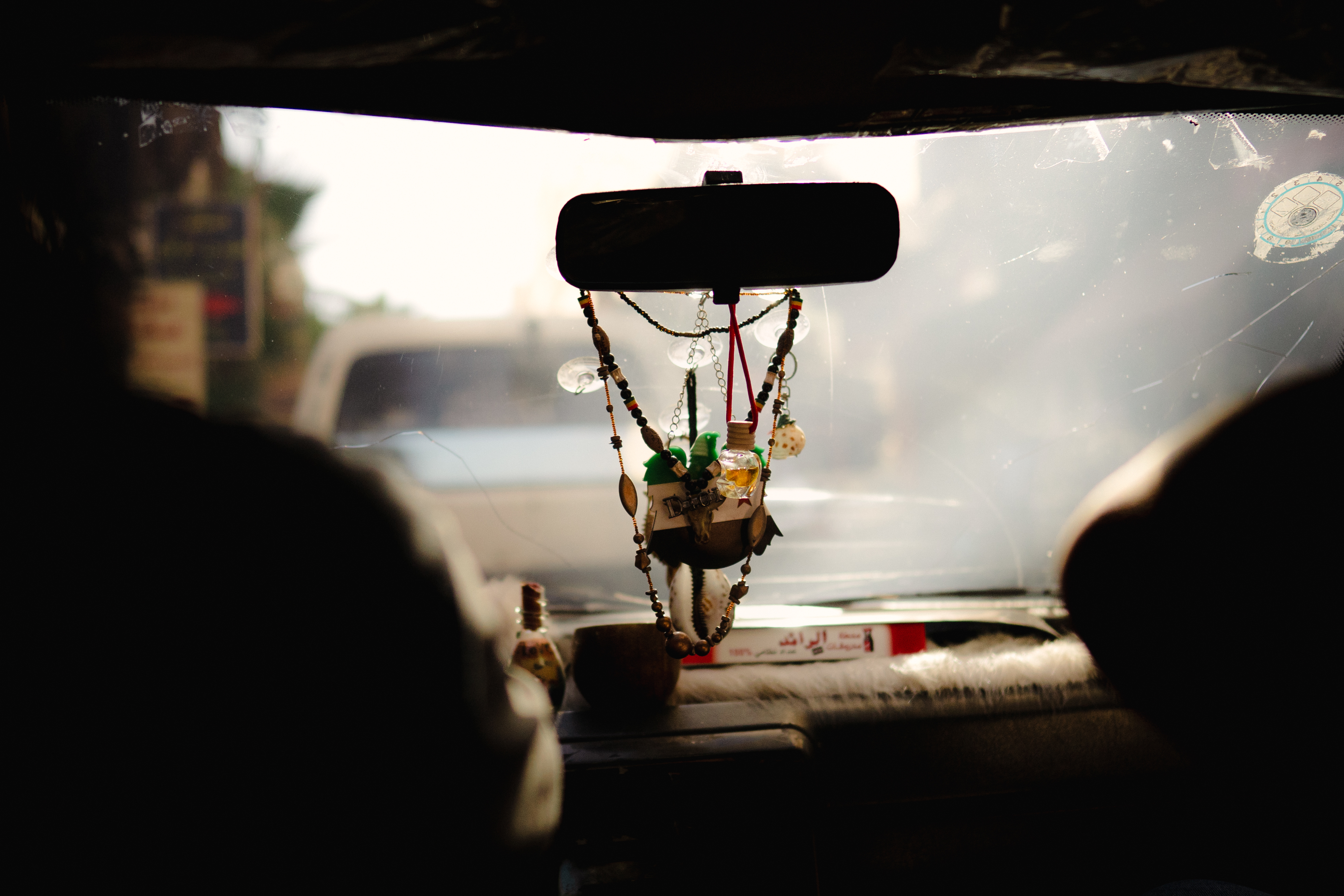
This summer, as she was returning from a birthday party with four transgender friends, their taxi was stopped at a government forces checkpoint. “The soldier started flirting with us, and when we told him we were transgender, his attitude changed. He insulted us and took us to the nearest sheikh’s office”, Maya recounts.
“I’ll be lenient with you, but another one wouldn’t have been”, the sheikh told them. A sentence that sounded more like a threat than an act of compassion. Next stop: the police station. They were held there for an entire day. Their long hair was cut off with a knife, and they were then forced to sign a statement pledging not to “imitate a woman”. Since then, Maya has worn a wig constantly, out of shame.
Since a coalition of Islamist rebel groups came to power, GEM has documented around 15 attacks against transgender women. The number is likely underestimated, as few dare to speak about the violence they endure. “We have recorded attacks carried out both by forces linked to the new government and by armed Druze groups. They fight each other, but targeting the LGBTQIA+ community is a common ground,” laments François Zankih.
Over the course of 2025, the organization recorded a 60% increase in requests for emergency assistance. “14 years of war have deeply radicalized society, and the country has adopted far more extreme religious views”, the director explains. In response, GEM is trying to increase its visibility among the affected communities to make the support it offers better known.
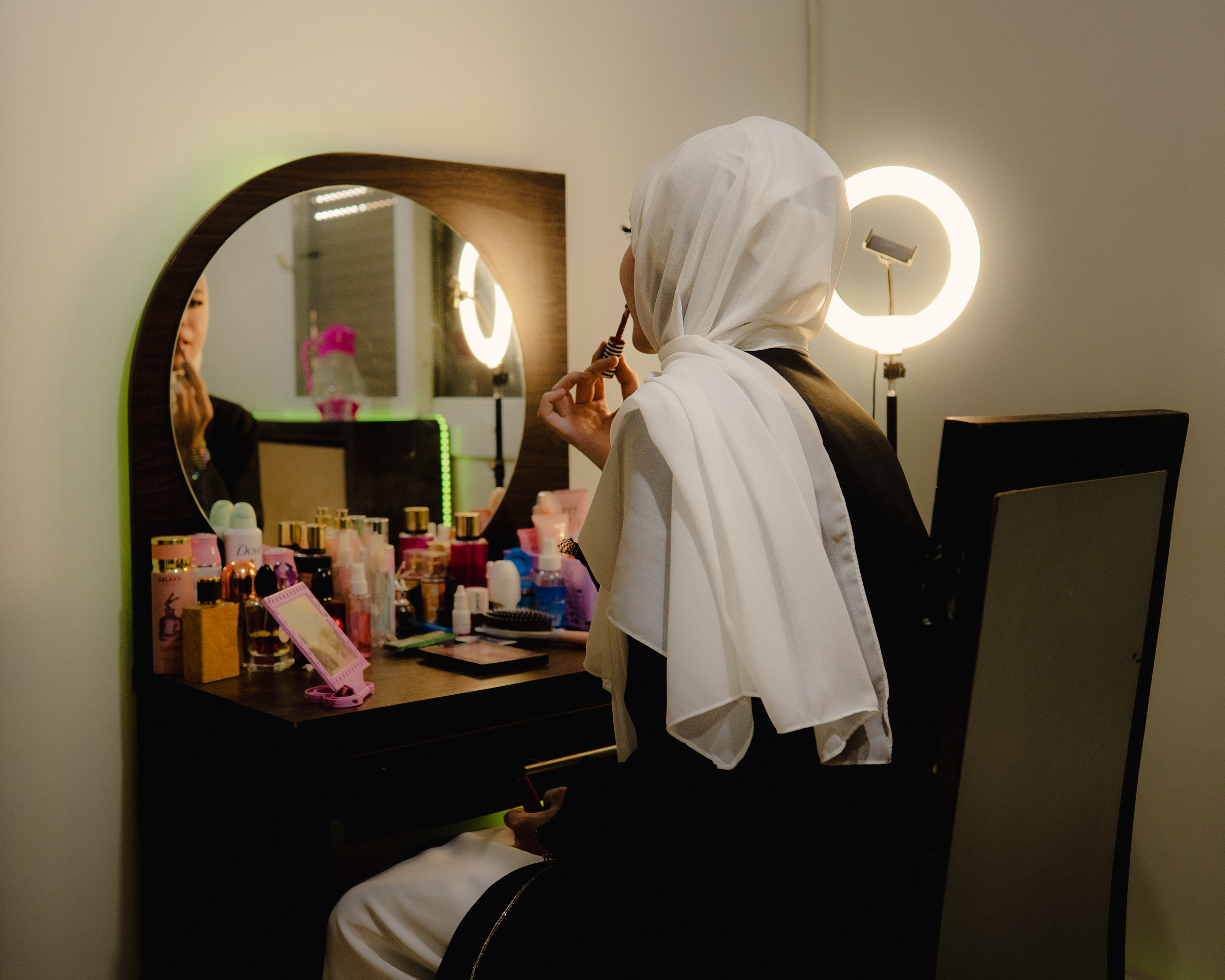
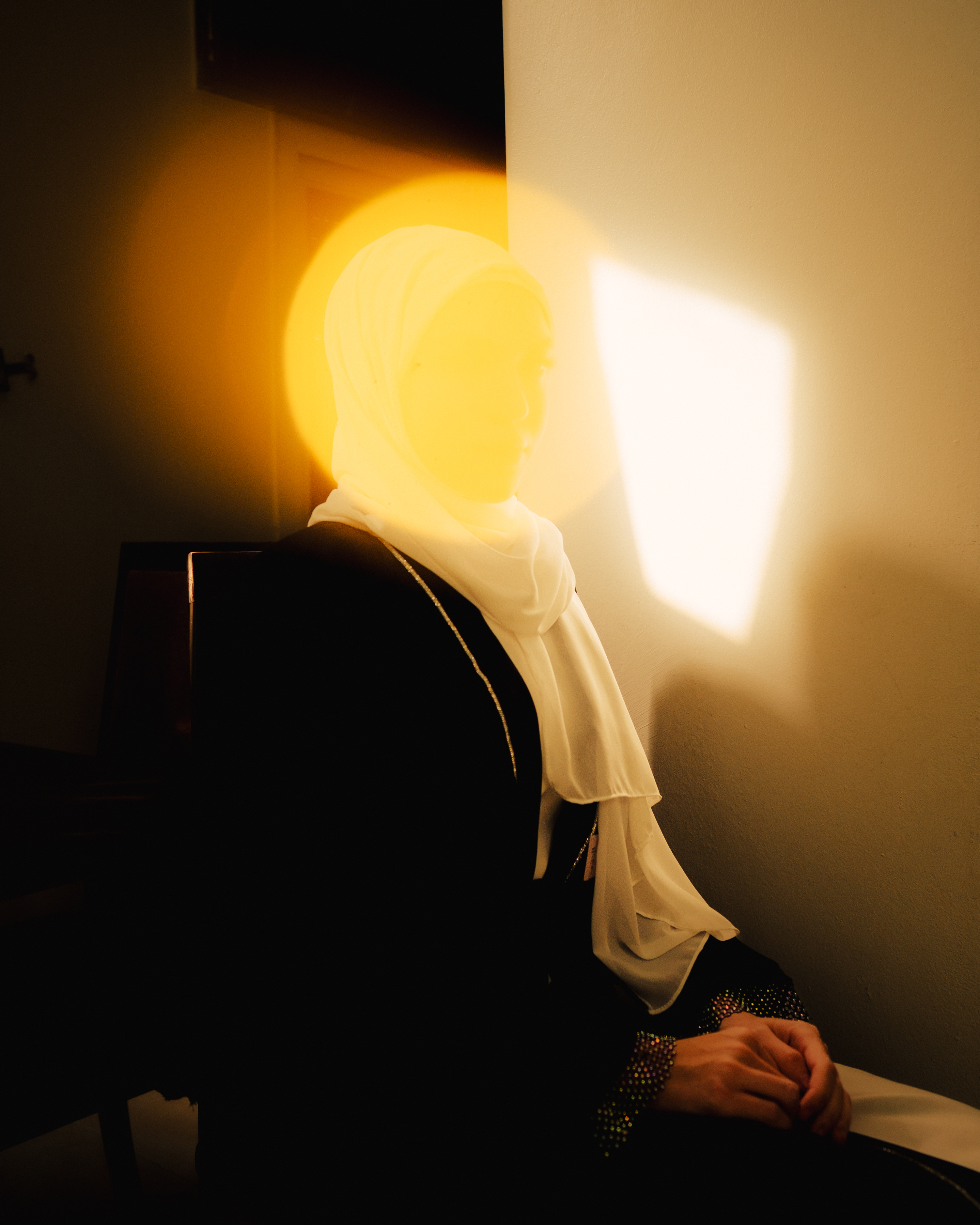
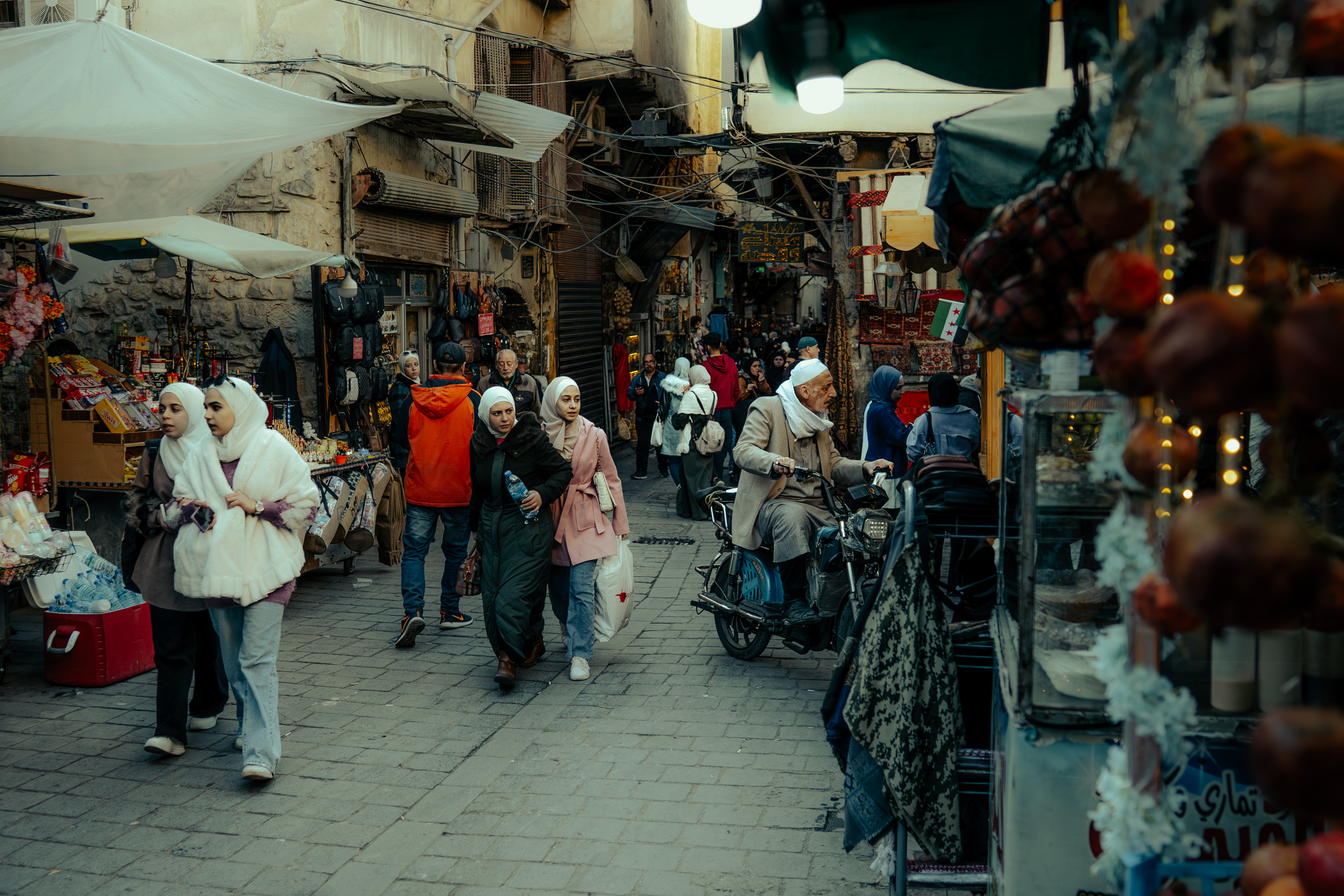
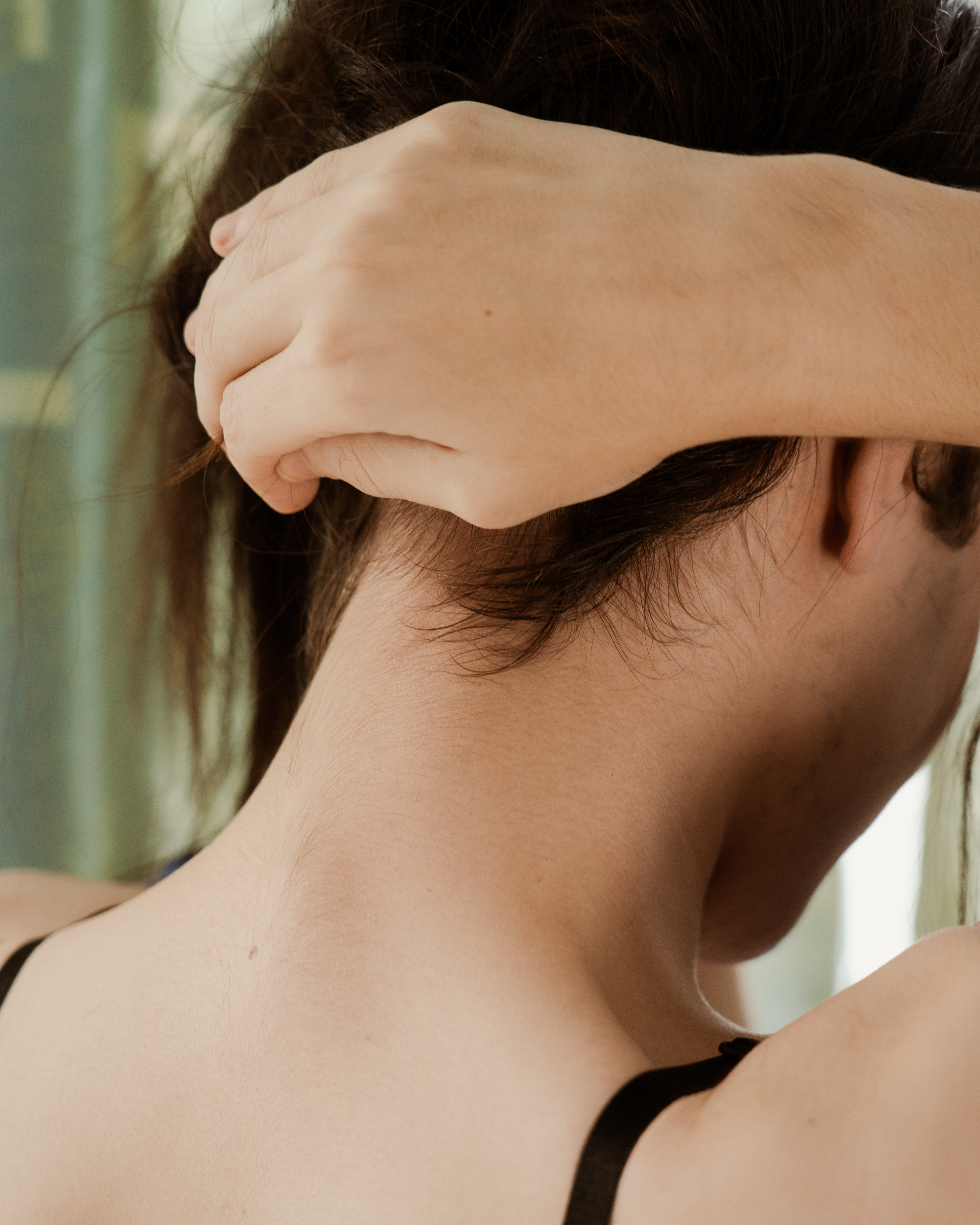
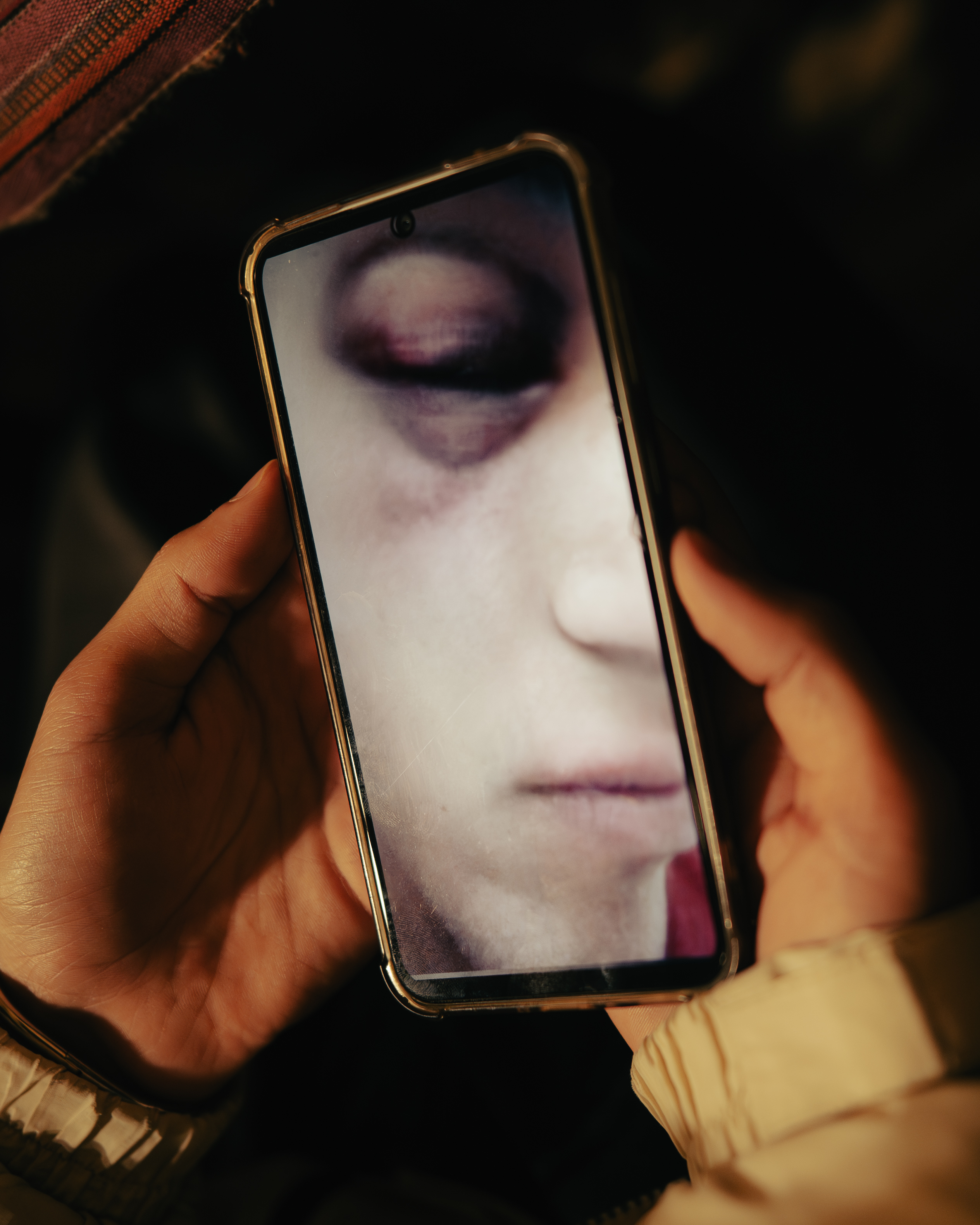
One of the main challenges transgender women face is the impossibility of working and the forced isolation imposed by fear of going out in public. In Jaramana, Maya only leaves her apartment wearing a hijab to blend in, and only to go to the corner grocery store to buy basic necessities. She cannot rely on her family to pay the rent: her father filed a complaint against her and disowned her. As a result, she is forced into sex work to keep a roof over her head. Through an app, she discreetly meets men who then come to her home. This allows her to earn an essential income to continue living. She asked me not to mention how sex work and apps work, in order not to break her "business".
In response, the organization has developed a training program to help them access remote work opportunities. “We provide grants so they can buy a computer and everything they need. The program lasts a year and aims to free them from discrimination in the job market”, François Zankih says.
Despite this assistance, most of them dream of only one thing: fleeing Syria. Since the fall of the Assad regime, 400 Syrian transgender women have contacted Helem, an organization defending LGBTQIA+ rights in Lebanon, seeking help to escape to the country. Among them, the organization has recorded 32 arrivals.
But the journey is a dangerous undertaking that requires placing one’s life in the hands of smugglers. In December 2024, four of them disappeared while attempting to reach Lebanon — there are no reports on this, but it's a story well known within the community. It deeply marked Grace and continues to terrify her.
Conversion Therapy
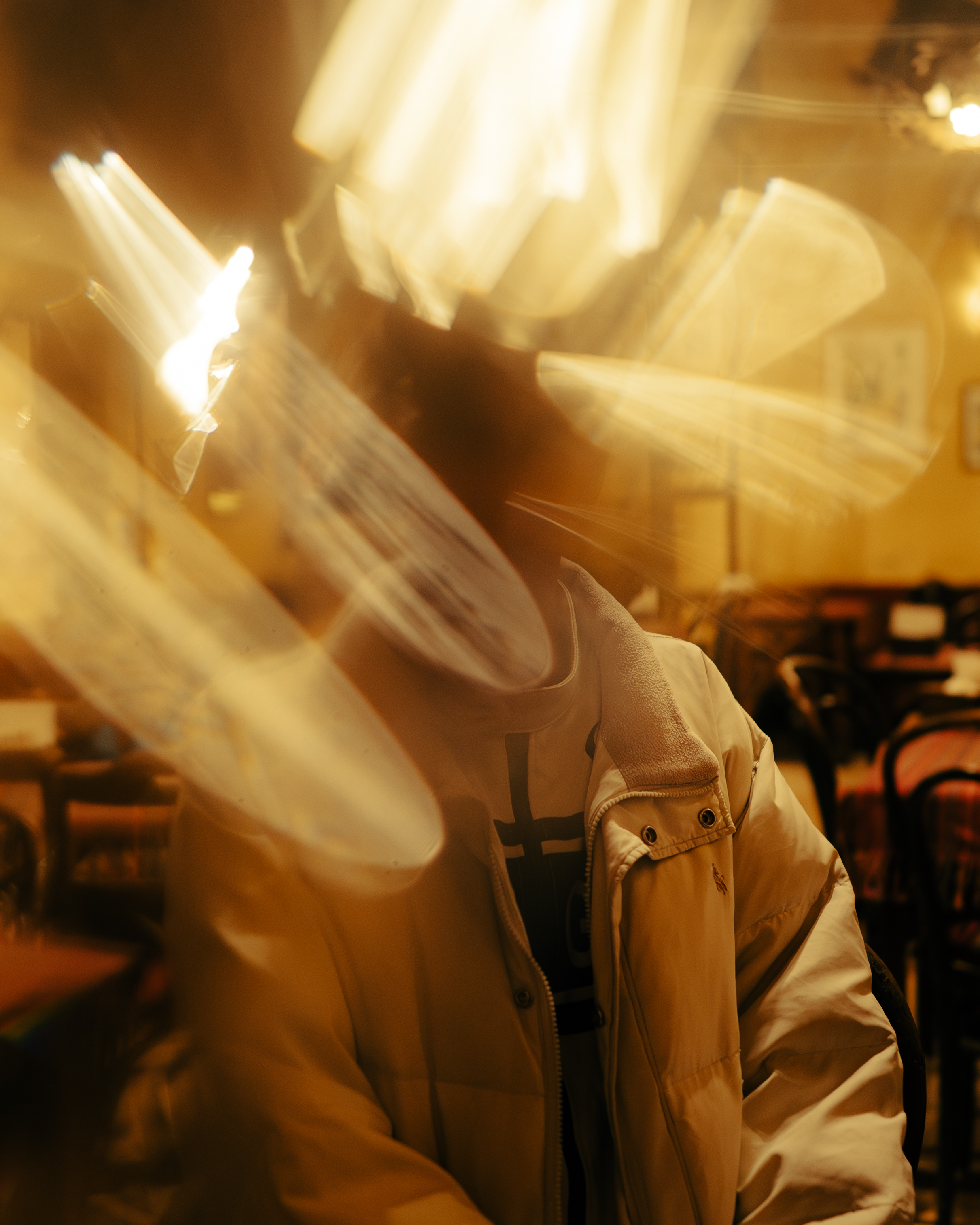
Just 18 years old, the young woman does not dare take the risk. Wrapped in a large white coat that contrasts with her frail appearance, her suffering becomes palpable within seconds of conversation. “I spend my life acting straight. I hate my appearance. It depresses me completely”, she confides in a low voice at a café in the Old City.
Seated at the back of the café, her voice is hesitant and her sentences never extend beyond a few words. Despite her obvious shyness, Grave repeatedly refused the opportunity to take a break during her testimony.
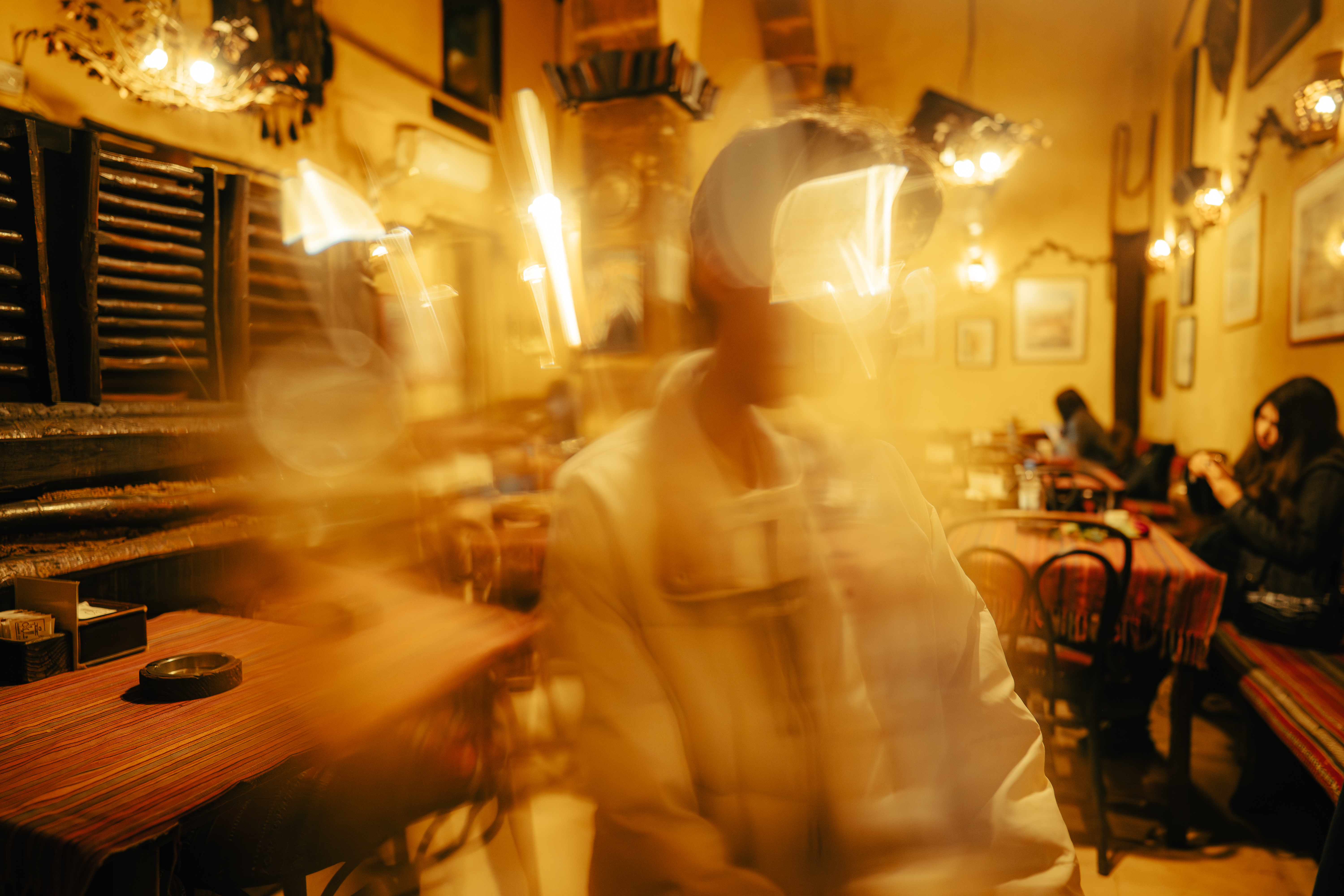
Born into a religious family whose father died when she was young, Grace lives with her mother, who prefers to ignore her child’s true nature. At home as well, the young woman has grown used to slipping into the skin of someone she is not. But when her mother discovers intimate messages exchanged with a boy, Grace no longer fits the image expected of her, and punishment follows.
“After she found those messages, we went to my uncle’s house, where he beat me”, she says, showing photos of her bruised, blackened eye. “Then she took me to a psychologist so I could undergo conversion therapy. He tried to make me feel guilty and to change my sexuality. I never went back”.
"The revolutionary language is now a dictatorial language"
19 December 2025
This type of therapy is common across all sects in Syria, and the trauma these practices inflict sometimes goes far beyond psychological violence alone. “We have collected numerous testimonies describing episodes of torture, including the use of electrical cables, carried out by psychologists themselves”, says François Zankih, director of GEM.
Like many transgender women, Grace finds comfort among her friends online. She created an Instagram page where she felt free to express herself, but it was quickly discovered by classmates. “After school, a boy was waiting for me and stabbed me in the wrist. After that, the teachers stopped speaking to me”, the high school student recounts, her eyes downcast.
Grace struggles to imagine a future, trapped between a rejecting family, a violent school environment, and a society that shuts her out. She takes refuge in her dreams, and there are many of them. “I want to go abroad, transition, become a pharmacist, but above all, create my own music band. When I play the guitar, I’m happy and I forget everything”, she says, sketching the first smile of the conversation. Then she pauses for a few seconds before adding, “A model! I’d really like to be a model!”
At the mention of the word, Grace recovers a candid smile, a glimmer of childlike dreaming she should have been allowed to keep. For a moment, the violence of reality seems to dissolve. In the space of a fantasy, she imagines herself elsewhere, seen differently, free in her body and her image.
She did not choose the name Grace by chance. She borrowed it from Grace Zak, a Syrian model, the embodiment of an ideal denied to her here. A name as a refuge, a silent promise. In a country that tries to erase her, Grace fashions another existence for herself — fragile and inward — where, for an instant, she can breathe and be herself.