
Women in Raqqa and Deir ez-Zor are navigating a new reality following the Syrian Interim Government’s takeover of both cities this year. While some women report an increased sense of efficiency and security, others express profound concern and anxiety over the potential erosion of the legal and social support systems that were available to them under the Autonomous Administration rule, particularly regarding the handling of gender-based violence (GBV) cases.
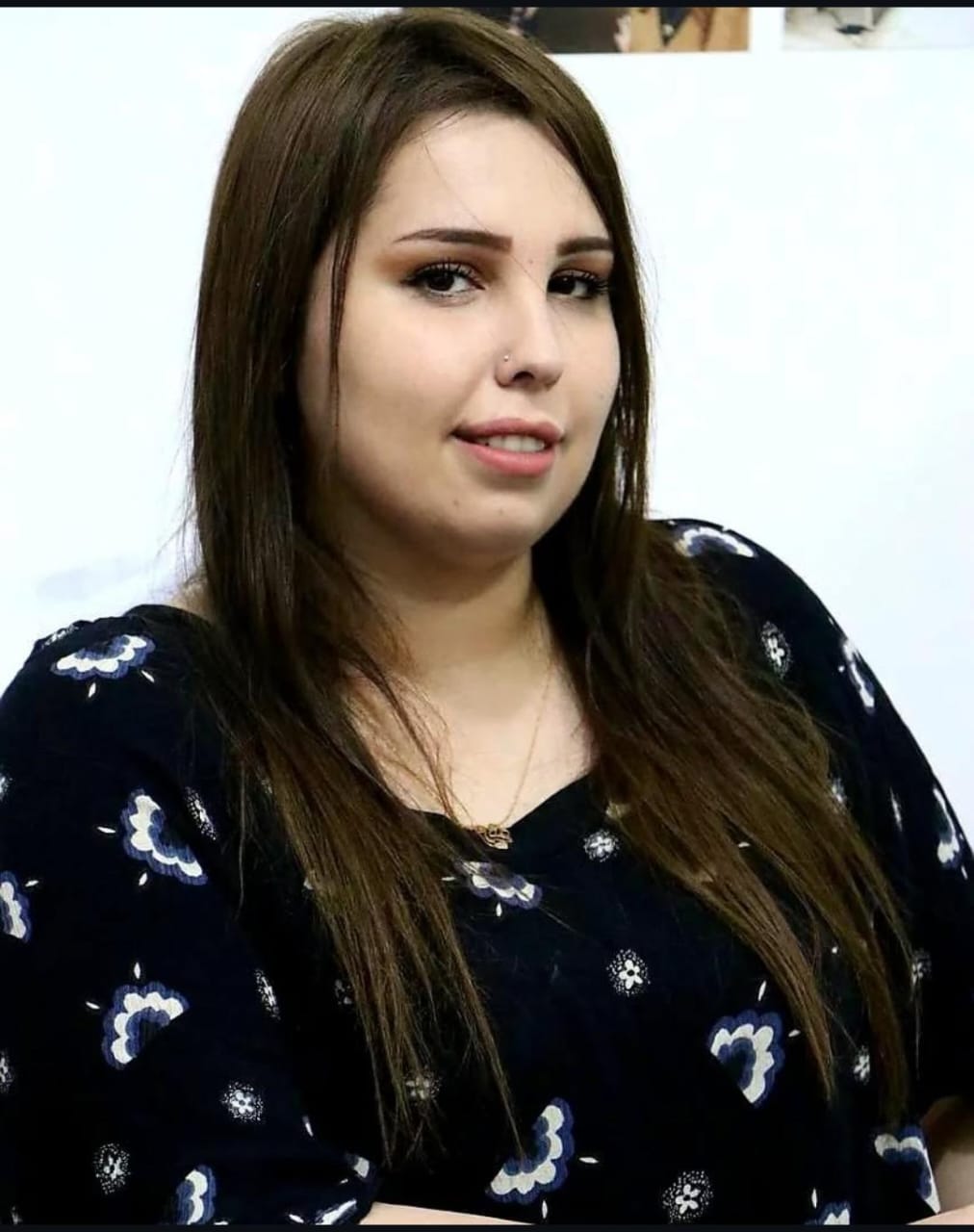
Wisal al-Nafe', an activist from Raqqa, was the only woman present during the meeting between Interim President Ahmed al-Shara and a group of media professionals and activists. Kawthar, a feminist activist also from Raqqa, believes that the defamation campaign against Wisal encapsulates the current reality for women in the region and across Syria. Following the publication of her photo from that meeting, the discourse shifted from a legitimate inquiry into her political involvement as a descendant of Arab tribes to targeted accusations and personal insults directed at her as a woman - completely disregarding her achievements over the past years.
"Wisal is suffering psychologically to the point of withdrawal", Kawthar shares. "We are constantly trying to encourage her to persist in her work as a candidate for the Electoral College, ensuring that the voices of women from the region reach the core of Syrian political debates".
As a woman and an activist, Kawthar feels that instability remains the defining characteristic of this phase. A month and a half after government forces entered Raqqa, she has observed no significant change in women’s daily lives. Nonetheless, there is a sense of cautious optimism and a drive to capitalize on the political opening they sense.
"We are anxious about the future, which is why we began organizing gatherings and initiatives just two days after the government forces arrived", she explains. "The leadership is still far from being feminist, but we are collaborating with young men we know and whose visions we respect. We want to organize ourselves so that we have a voice that is truly heard - not just empty slogans like before".
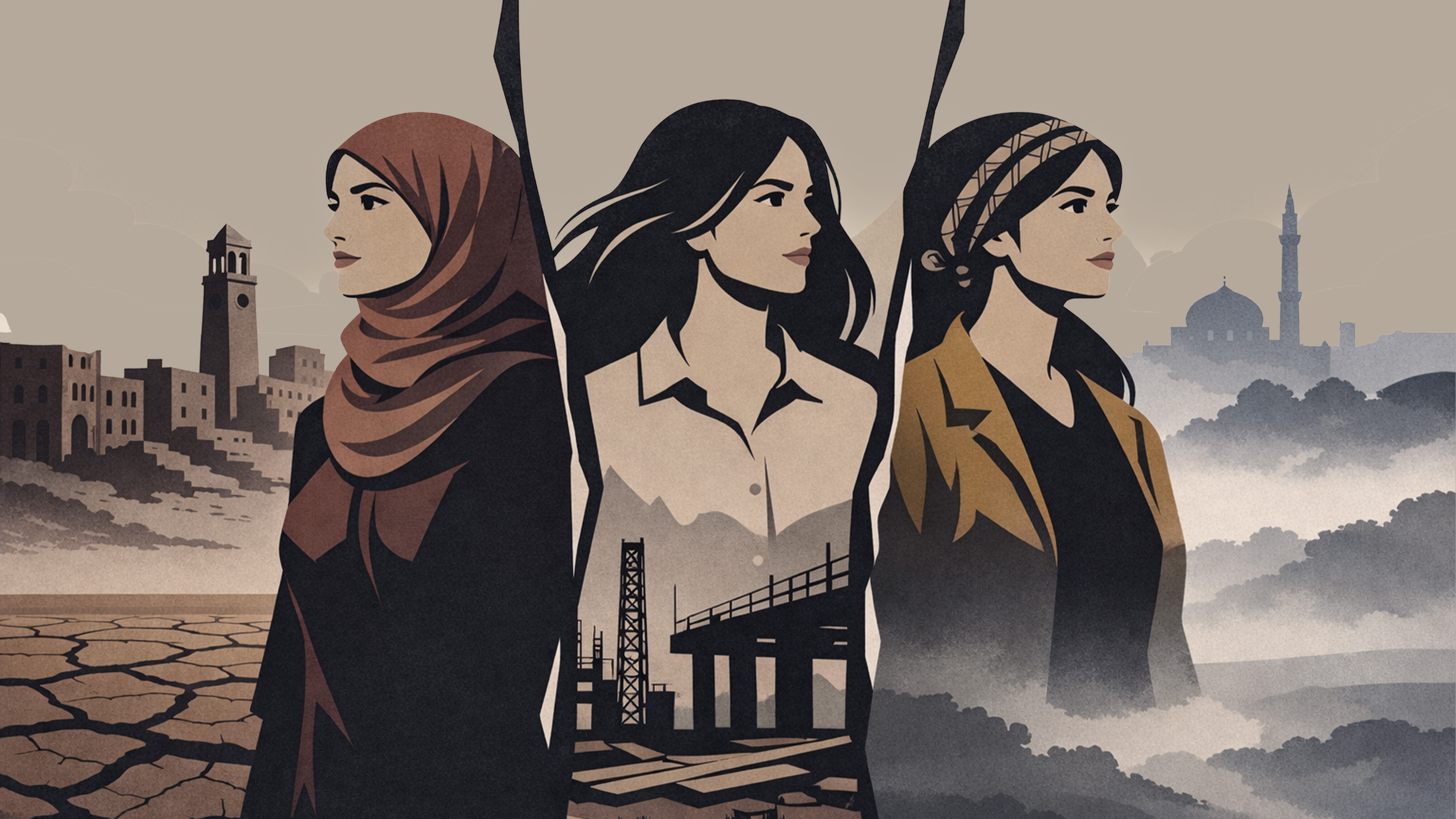
What do women fear in the 10 March agreement?
15 January 2026
This transition has undoubtedly brought new political and administrative opportunities, most notably the ability to nominate and elect the Electoral College for the People’s Council in Raqqa and Deir ez-Zor. However, it has also brought disappointment; Kawthar and several other activists found no one among the candidate lists who truly represented them.
Despite this, they find a degree of solace in the limited avenues still available for engagement - such as filing formal appeals, holding debates to demystify the electoral process, and clarifying the specific roles and responsibilities of the cities' representatives in the Council. These actions provide a sense of agency, allowing them to believe that change and meaningful work are still possible.
Iman Alayan, chair of the board of the "Women of Tomorrow" Association in Deir ez-Zor, does not believe that the shift in ruling powers has directly impacted women’s lives just yet. She notes that dealings with government entities have been "very good", and that the Interim Government treats women with respect, listening to their perspectives.
However, she simultaneously points out that women remain excluded from actual political work, despite the availability of space to express opinions and provide feedback to officials - whether in Raqqa, Deir ez-Zor, or Damascus. According to Alayan, the government is receptive to such feedback when it serves the public interest. She further adds that the suffering of the local population, not just women, remains tied to the dire economic situation, as the region grapples with skyrocketing prices and a high cost of living.
Other women speak of tangible, positive shifts in their daily lives. Mrs. Wasaif, a resident of Raqqa, was able to return to her previous job near her home, after years of being forced to commute nearly 70 kilometers every day. In her conversation with SyriaUntold, Wasaif noted that she feels a greater sense of security in her day-to-day life. She added that many women in her circles have experienced a newfound psychological and physical stability, allowing them to reclaim jobs and roles from which they were previously barred.
Precarious security
Conversely, videos circulating on social media show local men openly defying the feminist values that prevailed during the Autonomous Administration’s rule. Activists from both cities express growing fears regarding the nature of this new phase. Salma (a pseudonym), a community activist, describes the situation as complex and opaque. "There is a deep-seated fear", she says, "about what the future holds for women’s status under the current authority".
Salma explains that while the political transition has not yet fundamentally altered her daily reality, the prevailing tone regarding women’s participation in government institutions and the public sphere has shifted noticeably. "Under the Autonomous Administration, there were dedicated institutions and roles for women, such as 'Dar al-Mar’a' (Women’s House) and the co-presidency system across all departments", she notes. "There were specialized bodies to receive and address women’s complaints regarding domestic and societal violence. These spaces either no longer exist today or no longer perform the same function, stripping women of the safe havens they once had to voice their struggles".
Salma illustrates this shift with a recent incident involving a woman who attempted to file a report after being assaulted by her husband. The officer at the police station told her that filing such a complaint was "shameful" (ayb) and that she should instead resolve the matter within the privacy of her home. This stands in stark contrast to the past few years, during which a "culture of reporting" violence had become normalized despite the region's tribal nature. Back then, it was socially and institutionally acceptable for women to seek legal recourse when subjected to domestic abuse.
Anxiety is particularly acute among women who previously held positions within the Autonomous Administration’s institutions. Salma recalls a recent meeting with a group of these women, during which she asked if they were prepared to apply for roles within the Interim Government. The majority expressed deep apprehension regarding how the current authorities might treat them, fearing they would be labeled as remnants of the previous administration or supporters of the SDF. Salma notes that politically charged accusations, such as being branded "Qasdi" (pro-SDF) or "Asadi" (pro-Assad), are increasingly being weaponized, fueling a climate of fear that grips both women and men alike.
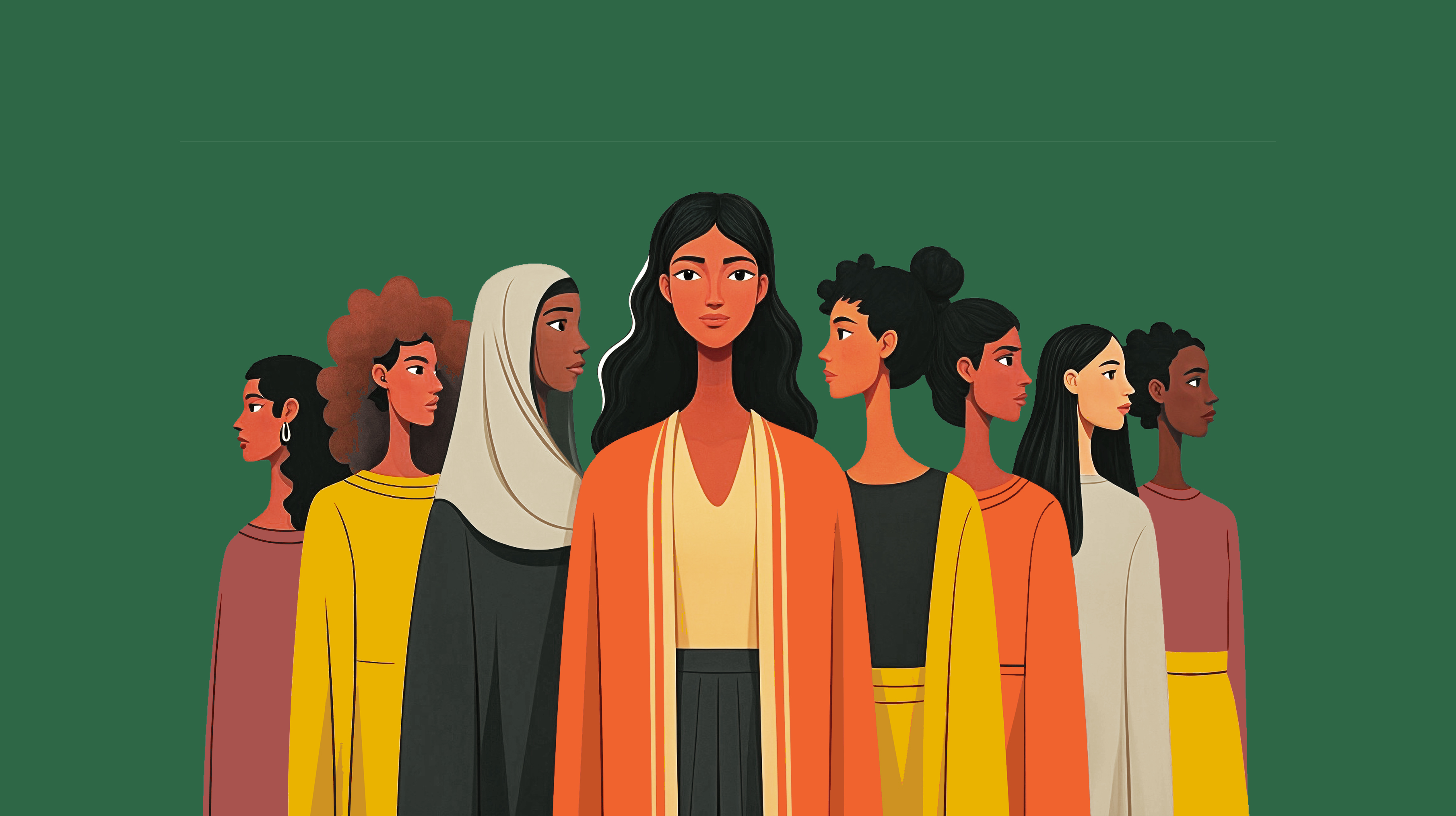
“We want to be part of Syria’s future”
19 March 2025
In this context, Salma shared with SyriaUntold the story of a widow who previously worked as a janitor in a court under the Autonomous Administration. That job provided her with a vital layer of protection, especially as she was facing ongoing harassment from her brother-in-law over inheritance and child custody disputes. Now, she faces direct threats from him; he told her: "The old days are gone—you're about to see things you've never seen before". Salma encouraged her to file a formal complaint, but the woman is paralyzed by the fear that her grievance will not be taken seriously by the current authorities.
The transformations currently reshaping the lives of women in Deir ez-Zor and Raqqa appear to follow a hauntingly familiar trajectory. They echo the patterns seen in opposition-held territories prior to the regime’s collapse, as well as in former regime strongholds following the pivotal events of 8 December: a fleeting window of political liberalization clouded by profound anxieties over the future of women’s rights and the protection of religious minorities.
On one hand, the years of Autonomous Administration rule left a tangible symbolic impact, particularly in terms of women’s visibility and their weight within the public sphere. On the other hand, those years failed to fundamentally dismantle or transform the deep-seated social hierarchies and structures of the region. This failure leaves the previous era open to accusations of "formalism" - prioritizing outward appearances and slogans over substantive, grassroots achievement.