

This is the first of a four article series, examining the former Nazi personnel missions in Syria. It builds on the author's master's thesis, which contains the complete source documentation and archival references. Editorial supervisor: Sulaiman Abdullah
All rights reserved. Any form of copying, reproducing, or republishing of the text is prohibited.
***
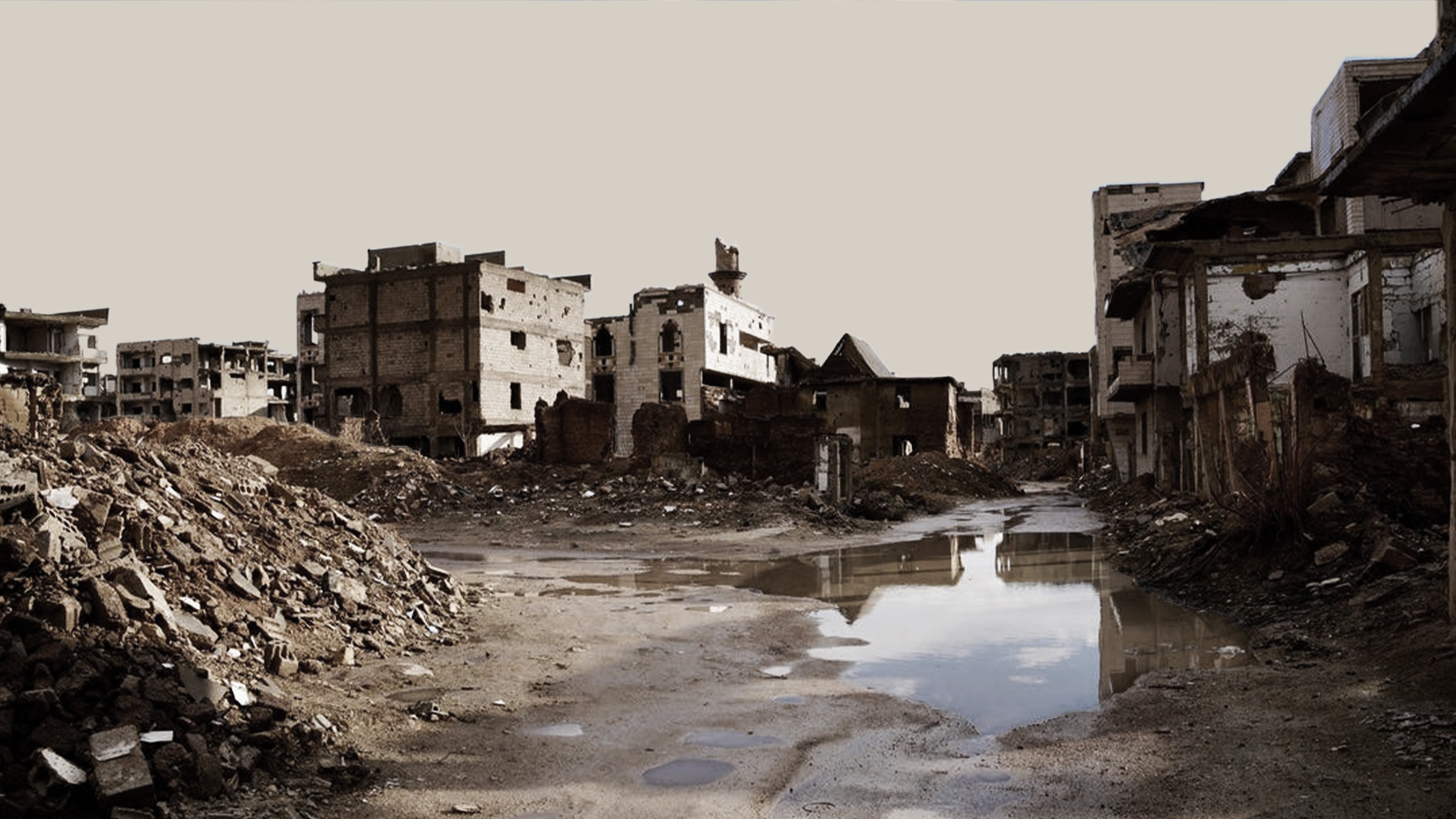
When Syria emerged from French rule in 1946, it finally had its long-awaited sovereignty, but little means to defend it. Its armed forces were built from the remnants of the French-led Troupes Spéciales, leaving the country with some personnel but little independent command structure. The 1948 war and defeat against Israel exposed those weaknesses brutally. In search of rapid military expertise, Damascus turned to men from the defeated Nazi war machine: former Wehrmacht and SS officers, including figures deeply implicated in Nazi crimes.
Between 1948 and 1956, four successive German advisory missions operated in Syria, tasked with reorganizing and modernizing the country’s military and intelligence structures, and shaping the development of its emerging security apparatus. This first article focuses on the formative phase of 1948–49, when recruitment networks stretching across postwar Europe brought former Wehrmacht and SS personnel to Syria and laid the foundations for a relationship that would continue through three further mission phases until 1956 – still three years before Alois Brunner found his way into Syria’s mukhabarat.
This article relies primarily on Western archival and published sources, as open Syrian public and archival engagement with this subject only became possible, at the earliest, after December 2024 and the fall of the Assad regime. Even now, access to historical Syrian state archives remains highly restricted. It also remains unclear to what extent military and intelligence records from the period under study have survived and whether they will become accessible in the future. The present source base should therefore be understood as reflecting the current state of available evidence rather than a complete representation of the historical record.
The Ratline to Syria
Syria’s first official recruitment drive under Shukri al-Quwatly went wrong almost immediately. Akram Tabarra’s (alias Homsi) initial group set out for Rome but never got that far: they were arrested while attempting to cross illegally into Austria. The route they were trying to use was no secret. It was part of a well-worn postwar corridor used by Wehrmacht and SS veterans, running from a central contact point in Munich through Innsbruck, Bern, and Rome to Beirut and Damascus. Under the plan, Homsi’s recruits were to receive Syrian passports in Austria before moving on to Switzerland, where the Syrian embassy would issue official papers for onward travel to Egypt and Syria. By then, Syrian – and Egyptian – diplomatic missions across Europe had effectively become covert recruiting stations for German military personnel. In Egypt, the prospective advisers were to be vaccinated, issued health documents, and put on flights to Syria (1).
The failed operation soon drew Homsi, a former member of the Waffen-SS himself, in as well. Sent to find the missing Germans, he was also arrested and jailed, only to escape and make his way back to Syria. The recruits convicted of illegal border crossing were released after several weeks and ultimately reached Syria too (2). Once in Damascus, these men began pulling old comrades into the Syrian project. While this rapidly expanded the German network in Syria, it was not necessarily in Syria's best interest, as the recruitment process increasingly attracted adventurers and individuals with little or no relevant military expertise.
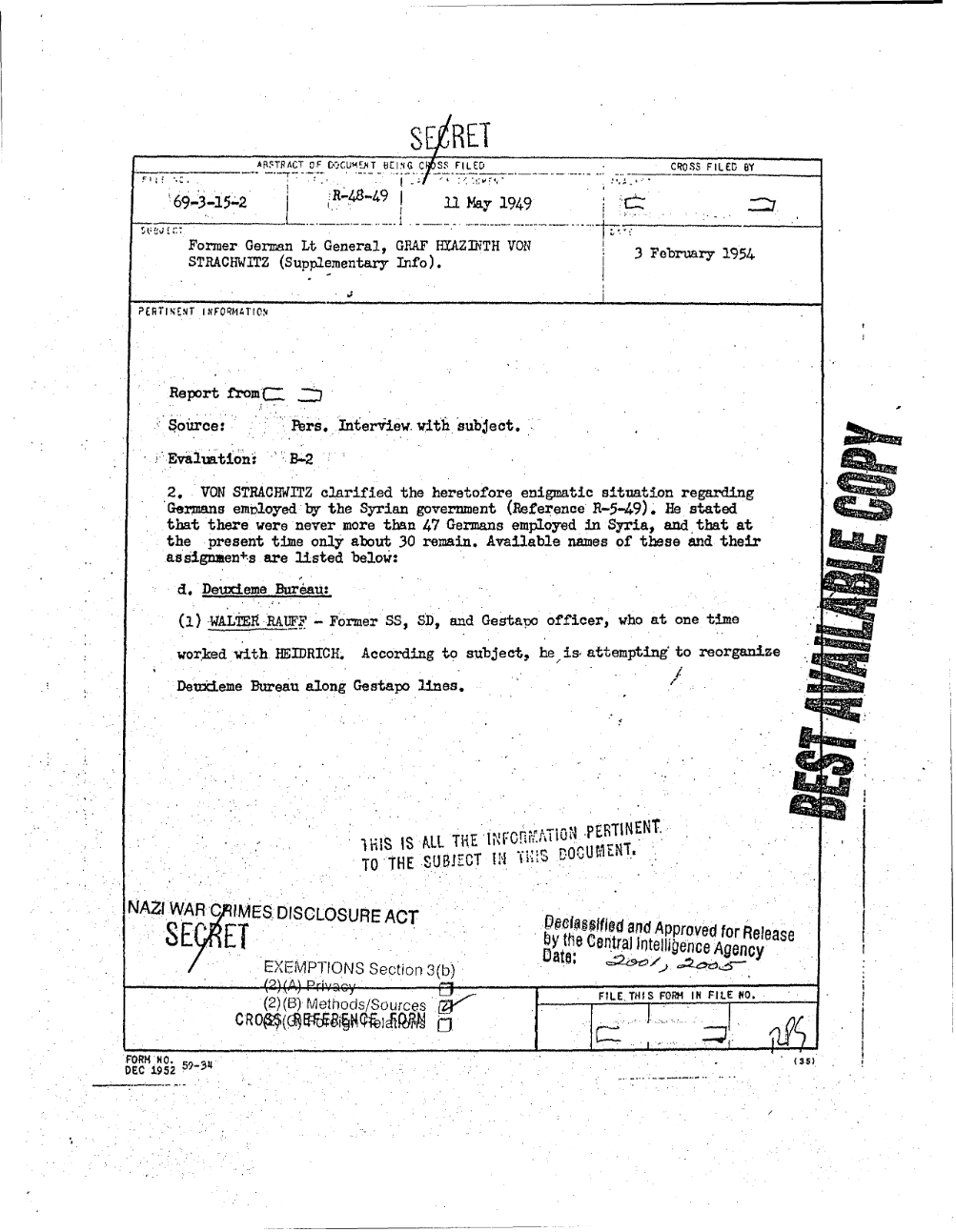
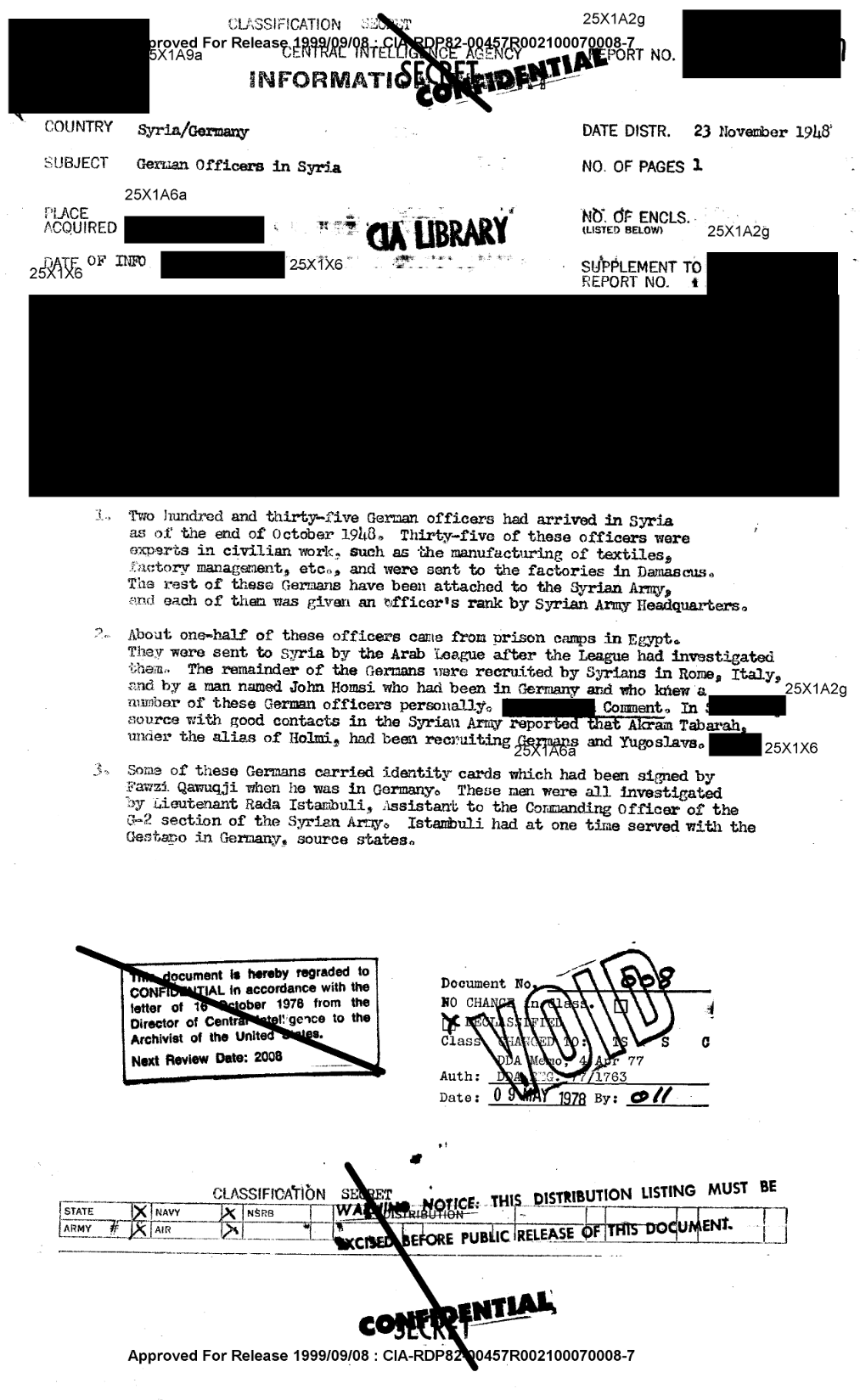
The exact size of the German mission remains difficult to establish. According to a CIA report, Hyazinth Graf Strachwitz, former Wehrmacht tank commander and head of the first mission group in Syria, himself estimated that it never exceeded 47 personnel. Another CIA document referred to 30 men under his command, while two further reports mentioned 235 former SS officers who had reportedly travelled to Syria by the end of October 1948, including 35 employed in civilian positions.
The arrangement suited both sides. For Syria, they offered recent combat experience, technical knowledge, and political distance: they were not representatives of Britain, France, the United States, or the Soviet Union. They were also comparatively cheap and helped Syria avoid early alignment in the Cold War. In addition, there were traditional ties of friendship with Germany. Syrian sympathy toward Germany before and during the Second World War was rooted primarily in anti-colonial aspirations rather than ideological support for National Socialism. Under the French Mandate, Germany was perceived as a potential counterweight to French and British domination, a perception reinforced by German contacts with anti-colonial movements. Nazi Germany exploited these sentiments through Arabic-language propaganda, presenting itself as a supporter of Arab independence and an opponent of colonial rule. The rise in Germany’s popularity after France’s defeat in 1940 was therefore linked mainly to hopes of ending foreign domination, not to broad identification with Nazi ideology (3). Later, when the Germans arrived in Syria, there were political affinities between the anti-Zionism of certain Arab elites and the anti-Semitism of the Nazis (4).
For the Germans, Syria offered money, the possibility of retaining their military ranks, housing, travel expenses, and a way out of postwar Europe. Walter Weiß’s preliminary contract with Homsi, for example, shows the offer’s appeal:
“Mr. Walter Weiß agrees to enter the service of the Syrian Republic as a technical advisor. In accordance with his rank in the German Wehrmacht, Weiß will be paid according to the Syrian Army’s pay scales. In addition, he will receive a monthly foreign allowance of 15 pounds sterling. Upon request, a portion of his salary may be transferred in German or other foreign currency. Mr. Weiß will enter the service of the Syrian Army with the same rights enjoyed by a Syrian officer of the same rank (free medical treatment, disability insurance, etc.). Upon signing the preliminary contract, Mr. Walter Weiß will receive free passage from Rome to Damascus. This contract is valid for six months from the date of signing. Upon expiration of this period, both parties may review whether the preliminary contract should be replaced by a long-term contract. Should the contract not be extended after six months, the Syrian government undertakes to reimburse the technical advisor for travel expenses to any destination of his choice” (5).
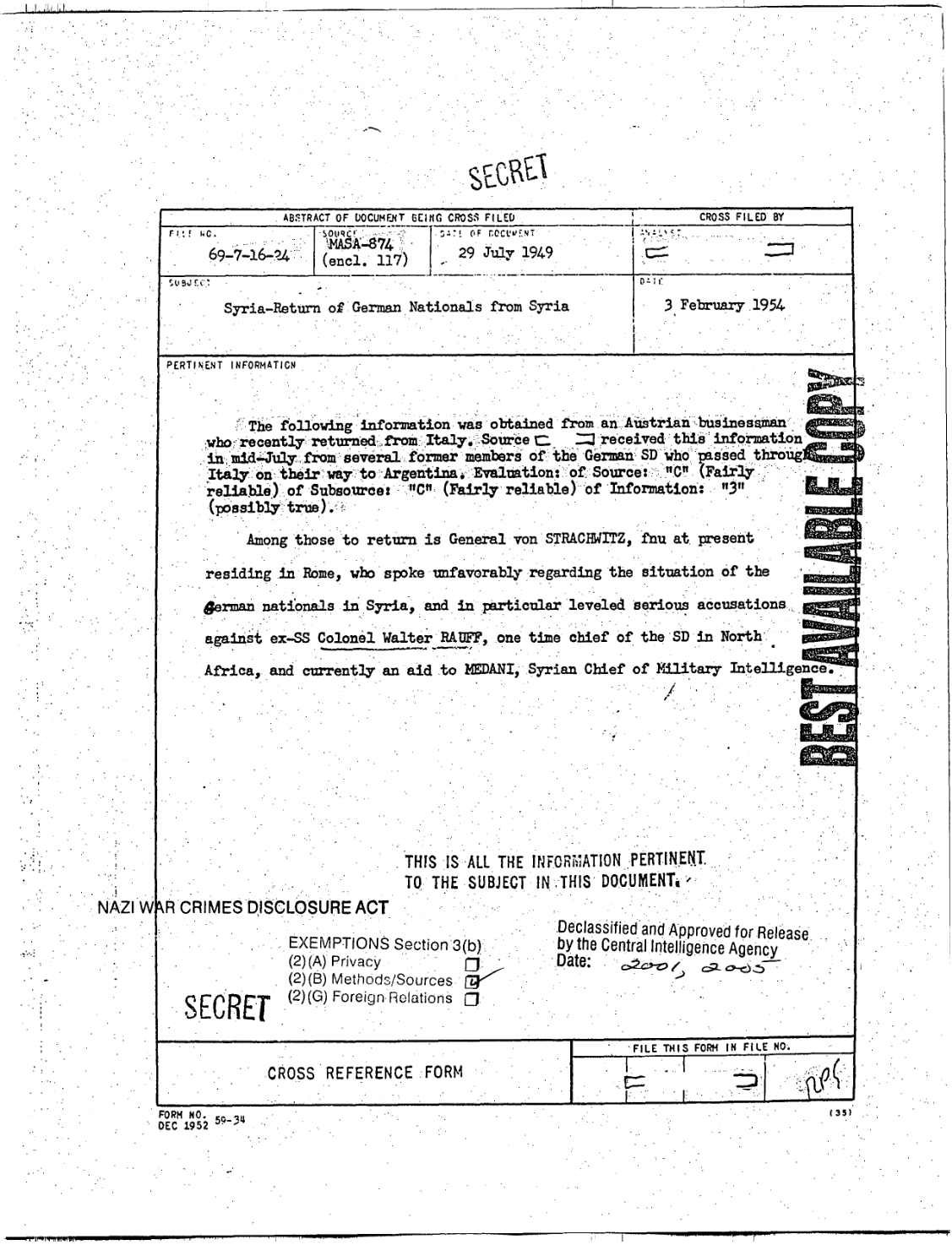
The most notorious figure in this recruitment network, however, was Walther Rauff, a former SS-Standartenführer from the Reich Security Main Office (RSHA) and responsible for the development of mobile gas vans used to murder more than half a million people. After the war, he fled through Italy and played a major role, as Homsi’s representative in Rome, in establishing and coordinating the postwar escape network that helped Nazi fugitives reach Syria (6). His RSHA background made his later move into Syrian intelligence especially consequential.
The importance of this network was not primarily determined by the number of individuals it brought to Syria, but by the prominence of some of those who used it to find refuge. As historian Martin Cüppers argues, Syria should therefore be considered one of the significant destinations of refuge for Nazi perpetrators after the Second World War (7).
Recruitment was also coordinated by the Swiss-based Syrian officer Charles Gamassi, whose methods were considerably more organized than those employed by Homsi. Rather than relying on broad recruitment efforts, Gamassi concentrated on attracting trained aviation personnel. Prospective recruits were first transferred to refugee camps in Italy, where they underwent registration procedures and received Syrian identification documents, military uniforms, and an advance payment of 200 Syrian pounds. Those who could demonstrate professional qualifications as pilots or navigators were awarded an additional 120 pounds. This strategy prevented the recruitment of adventurers and Germans lacking military expertise. Assisted by German clergymen, the organizers subsequently arranged passage on small vessels that carried the recruits to Lebanon, and from there to Syria (8).
Germans at the Front – Again
Before the advisory missions took institutional shape, former Wehrmacht and SS personnel were already active at the Palestine front – a war that, according to the historian Matthias Küntzel, “happened because Nazi antisemitic anti-Zionist propaganda continued to dominate the political culture of the Arab world after the defeat of Germany” (9). Some Germans fought in the Arab Liberation Army under Fawzi al-Qawuqji, while others served directly with Syrian units or helped build the emerging Syrian Air Force.
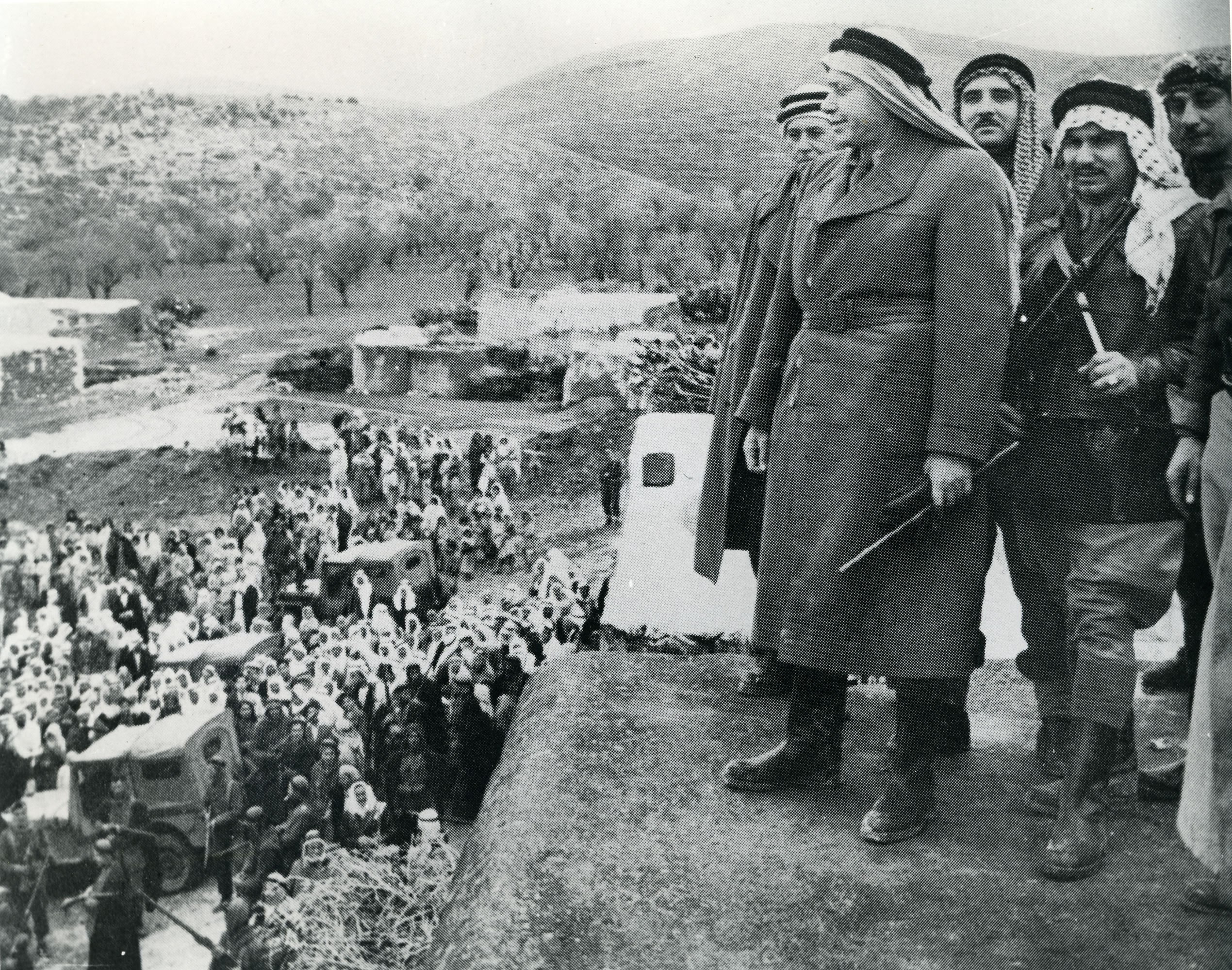
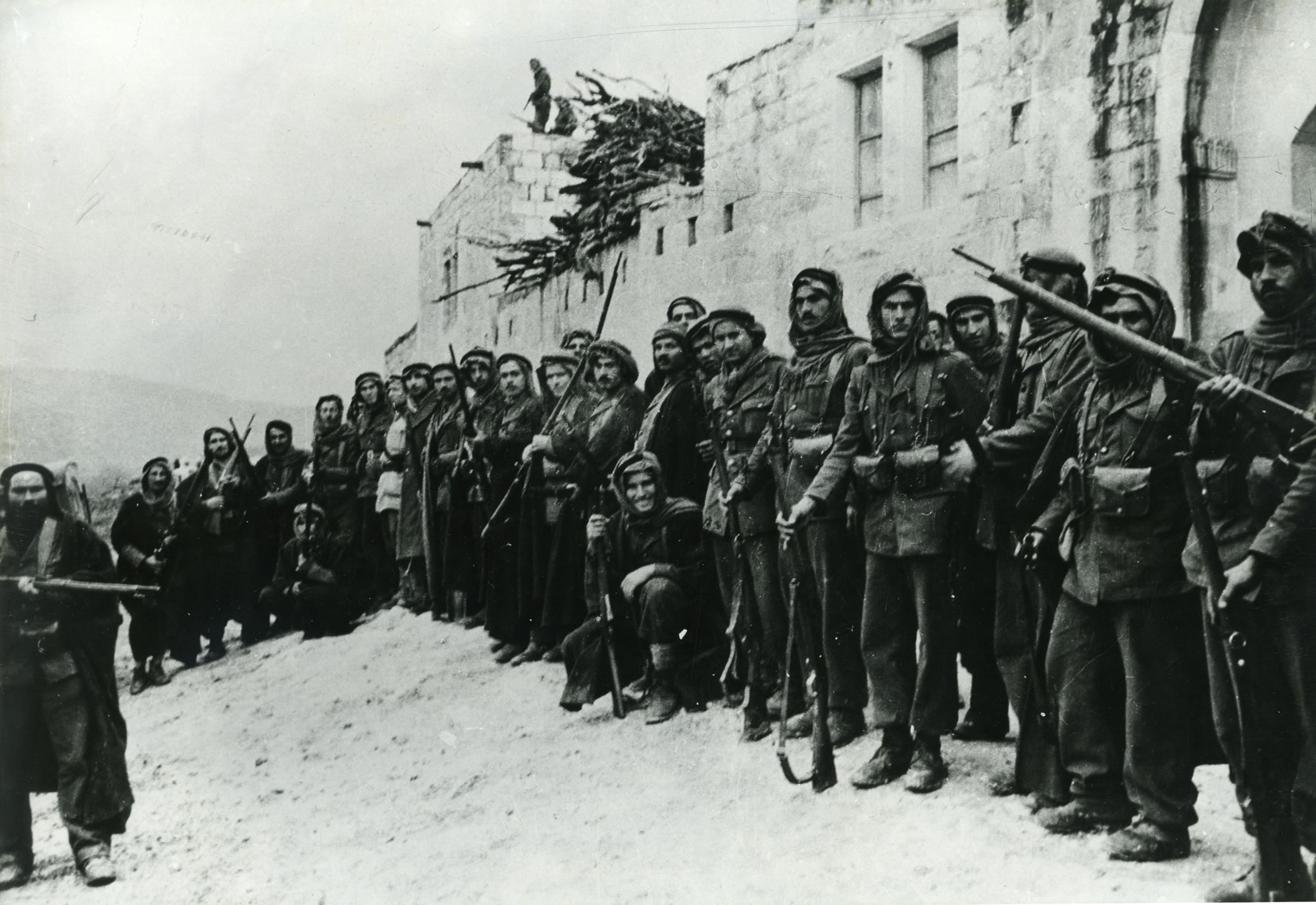
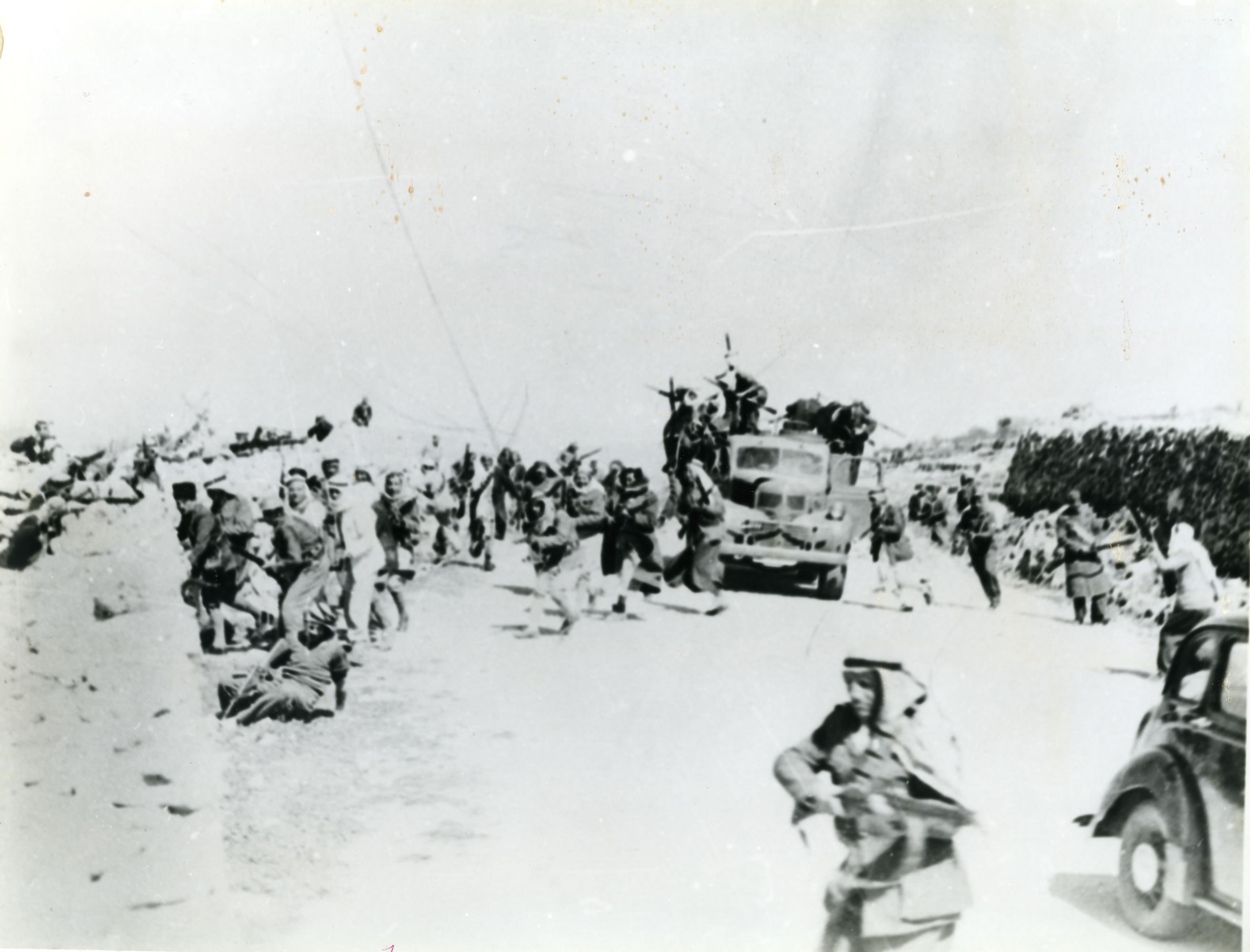
After spending years in Germany and serving as a colonel in the Wehrmacht alongside the Sonderstab F, al-Qawuqji assumed command of the Arab Liberation Army in December 1947. Within this wartime network, German veterans were more than distant advisers: Siegfried Keil, alias Ahmed Zenowitch, commanded a mobile special unit and is said to have received a Syrian medal for bravery for his role in the fighting; Willi Lehmann, a former SS-Obersturmführer, organized a so-called Totenkopf Company modeled on Waffen-SS structures. Other men – Lipkau, Holdack, Krieger, Eichel, Wiggers, Balzer, and Möhr – appear in the sources as German veterans at the Palestine front who later continued working for Syria (10).
Their military value was uneven. On the battlefield, their contribution remained limited. In the air, however, their experience filled a critical gap: Syria lacked trained pilots, instructors, and technical expertise. German and Axis-linked foreign instructors helped train some of Syria’s first military aviators at a former French Mandate flight school in Lebanon and later in Syria itself. Fritz Stehle, Alwin Meyer, and Mato Dukovac were among the early instructors; one of their students was Salah Jadid, who later led the military committee behind the Baathist coup of 1963 (11).
On the other hand, German pilots played a crucial role in the early wartime operations of the newly formed Syrian Air Force: “Their most important contribution was not confined to operations against Israeli ground forces. Their combat spirit and fighting enthusiasm, combined with their extensive operational experience, enabled the small Syrian Air Force to carry out more than 400 missions in a relatively short period” (12).
Yet front-line service soon became a liability. Several Germans feared that, if captured by Israeli forces, they would be treated not as regular prisoners of war but as Nazi collaborators. As a result, future contracts narrowed their role to advisory positions only.
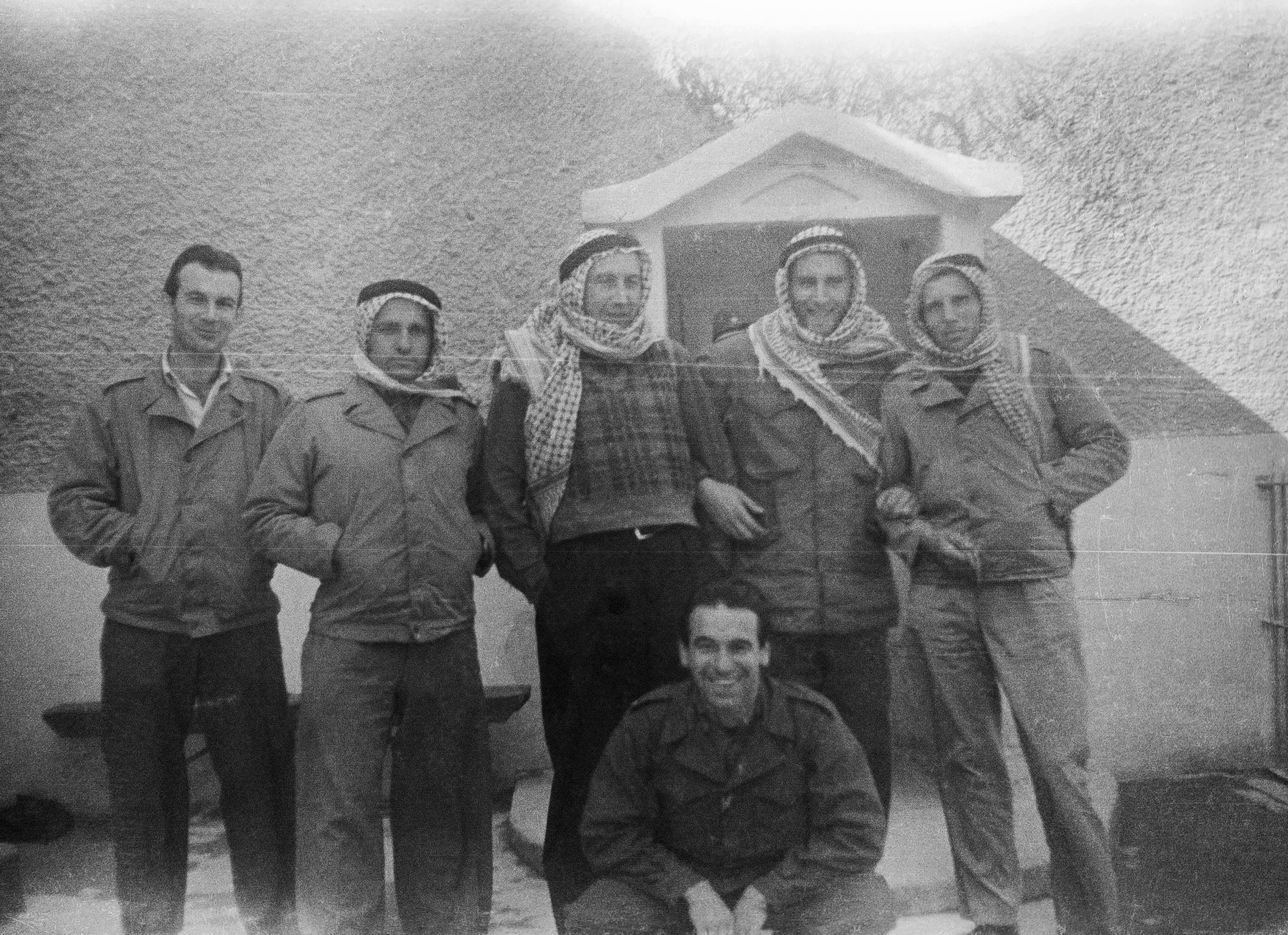
Graf Strachwitz Takes Command
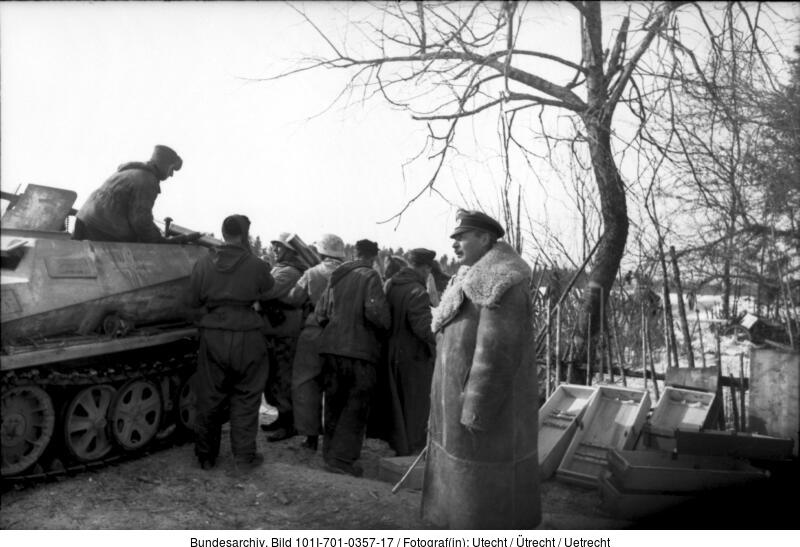
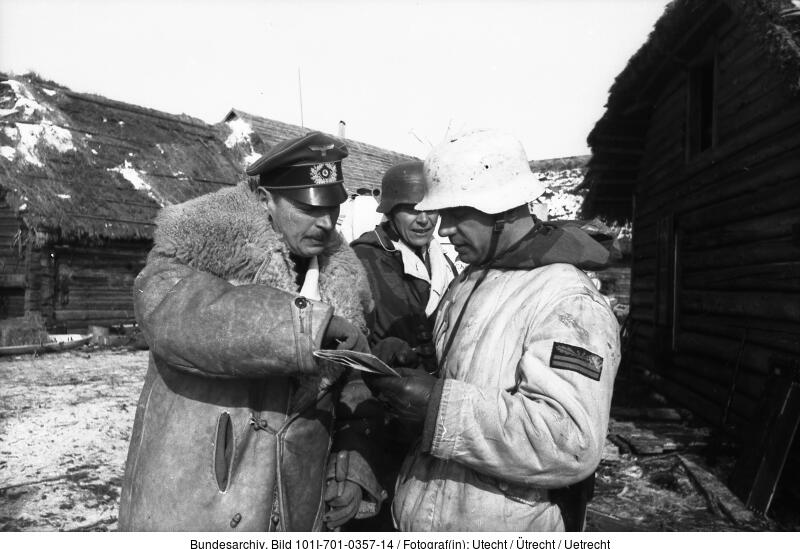
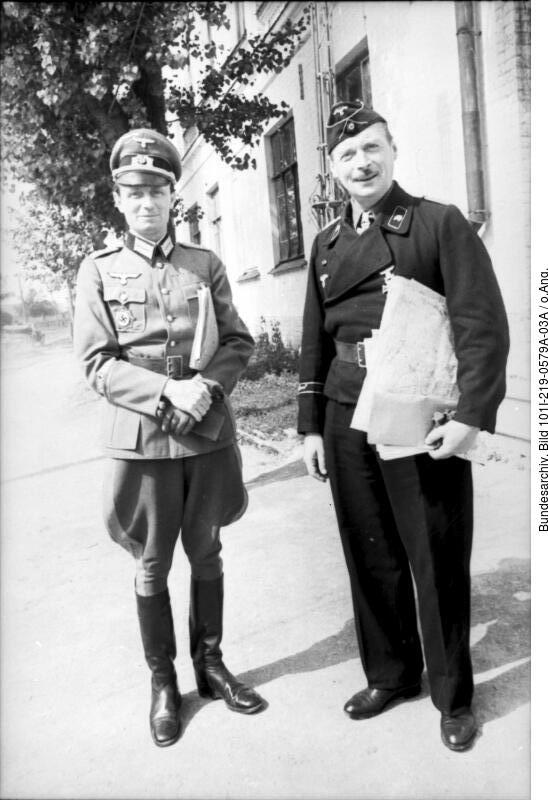
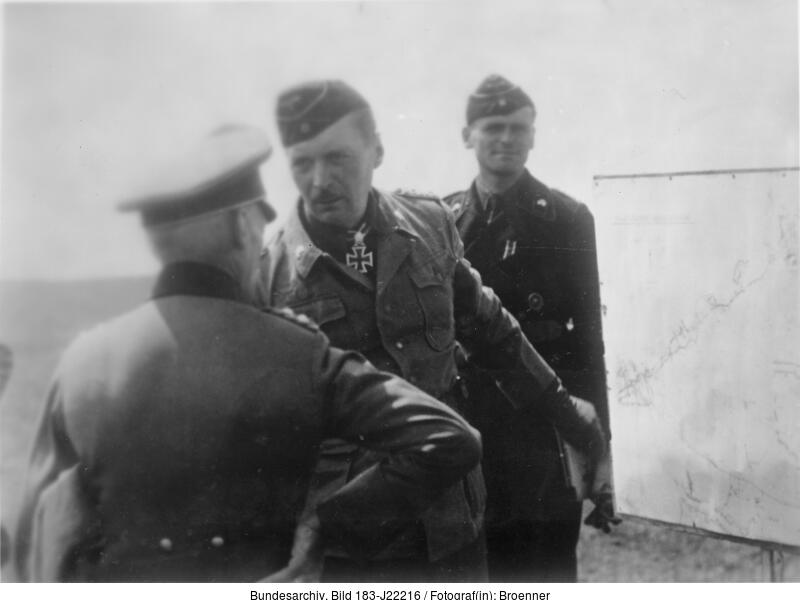
In January 1949, Hyazinth Graf Strachwitz arrived in Damascus with the reputation of one of the Third Reich’s most decorated Panzer commanders. Syria expected him to lead the German mission and help build an armored force. His ambitions were large: contemporary reports claimed that Strachwitz planned to acquire 100 tanks and “to overrun the entire State of Israel all the way to the Red Sea”(13). However, his plans and military demonstration failed to convince the Syrian side.
He reported directly to the Syrian commander-in-chief and was paid a monthly salary of 1500 Syrian lira for his work, only slightly more than the average Syrian pilot. Strachwitz drafted training plans and reorganization schemes, yet the mission he led was fragmented from the start. By the time he arrived, German pilots and front-line veterans were already operating in Syria. Former Luftwaffe officers, armored specialists, intelligence men, and weapons experts competed for influence. Figures such as Johann-Heinrich Fehler, a former lieutenant commander and aide-de-camp to von Strachwitz; Hans Heitmann, a former NSDAP member and Strachwitz's closest confidant in Syria; and Hans Schlemmer, a Lieutenant General during the Second World War and recipient of the Knight's Cross of the Iron Cross with Oak Leaves (14), belonged to his wider circle, but personal rivalries and overlapping networks shaped daily work. Albrecht Cropp later called it a “fight of everyone against everyone” (15).
From Military to Mukhabarat
The mission was never purely military. Some Germans worked on logistics, weapons, and training (including at an army camp in Qatana, which had a troop strength of over 2700 at the end of 1948); while others became increasingly involved in intelligence and internal security. After Husni al-Zaim’s coup, which was actively supported by the CIA, Walther Rauff’s role, for instance, expanded.
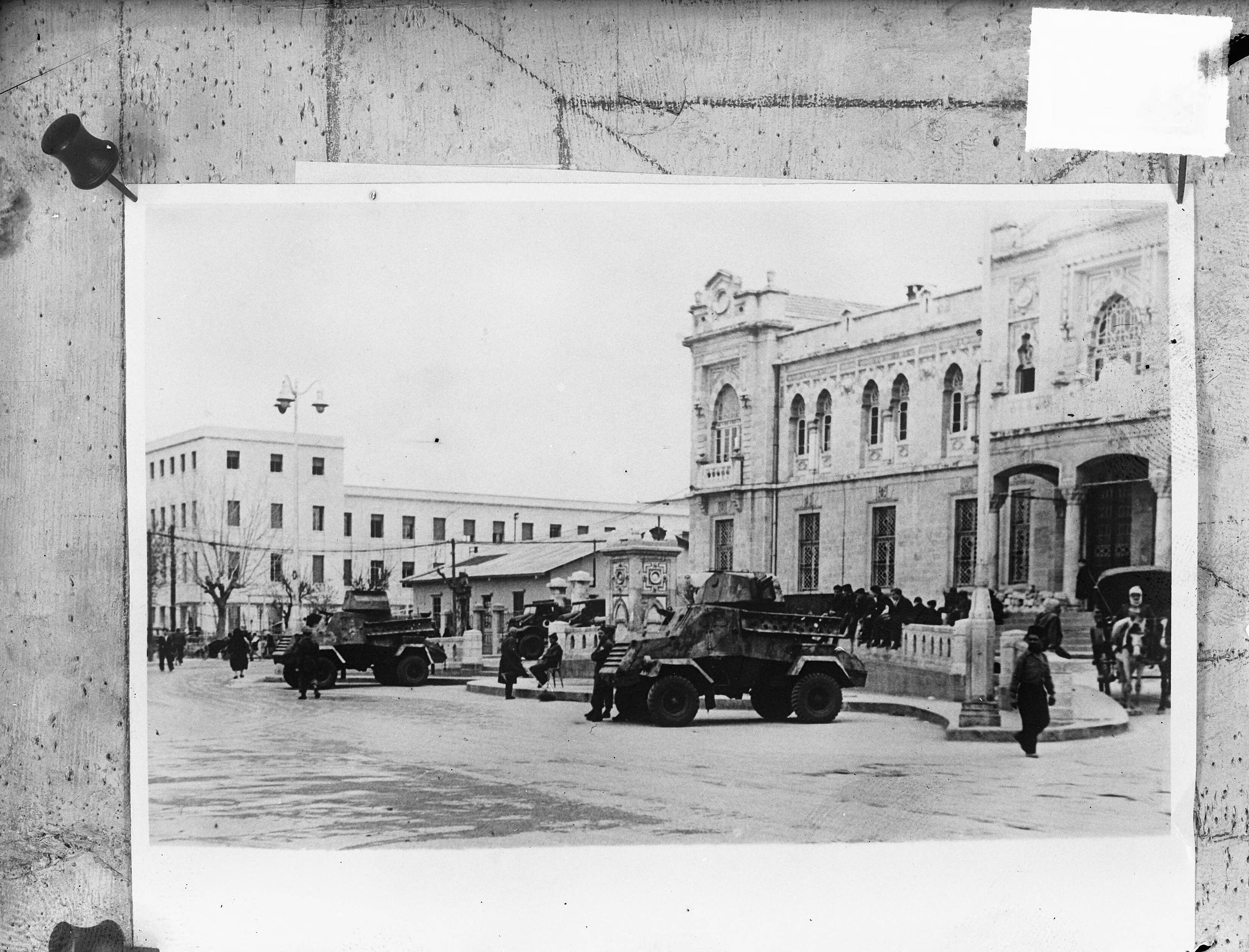
While Strachwitz remained associated with training and organization, Rauff became a security adviser to the new regime and worked with the Deuxième Bureau, the precursor to the Syrian military intelligence service. Rauff himself later described the position he held within the Syrian government: “My family was still in the Russian zone of Germany, and with the help of priests I was able to bring them to Rome. I had just signed a contract with the Syrian government and went to Damascus as a technical adviser to the secret police and the head of state’s bodyguard. I remained in Damascus until 1949 […]” (16).
The End of the First Mission
By the time the first mission came to an end, it had not completed its work but Syria’s politics shifted beneath it. The coup led by Husni al-Zaim, in which the military entered the political arena for the first time, weakened Strachwitz's position and benefited Rauff who took over leadership of the second phase of the mission shortly thereafter.
Strachwitz’s mission did not modernize Syria’s army. It was too divided, too improvised, and too dependent on a state in turmoil. Yet it mattered – it marked the first systematic integration of former Wehrmacht and SS personnel into Syrian military and security structures.
The mission therefore fell far short as a modernization project but succeeded in opening a path. Former Nazi personnel found refuge, employment, and, in some cases, considerable influence within the young Syrian state. The advisory missions that followed would build upon these foundations.
References:
[1] A. Cropp, "Die Deutschen sind uns am liebsten," Revue, no. 10 (1953a), 34.[2] E. Schmidt-Eenboom, “BND: Der deutsche Geheimdienst im Nahen Osten: Geheime Hintergründe und Fakten” (München: Herbig, 2007), 189.
[3] H. Goldenbaum, "Nationalsozialismus als Antikolonialismus: Die deutsche Rundfunkpropaganda für die arabische Welt," Vierteljahrshefte für Zeitgeschichte 64, no. 3 (2016): 467-489.
[4] G. Sälter, “NS-Kontinuitäten im BND: Rekrutierung, Diskurse, Vernetzungen”, Publications of the Independent Commission of Historians on the History of the Federal Intelligence Service, 1945-1968, vol. 15 (Berlin: Ch. Links Verlag, 2022), 266.
[5] Cropp 1953a, 10.
[6] M. Cüppers, “Walther Rauff – in deutschen Diensten: Vom Naziverbrecher zum BND-Spion” (Darmstadt: WBG, 2013), 231.
[7] ibid.
[8] N. Hartoch, “A History of the Syrian Air Force, 1947-1967” (London: King's College, 2015), 50-51.
[9] M. Küntzel, “The Aftershock of the Nazi War against the Jews, 1947-1948: Could War in the Middle East Have Been Prevented?” Jewish Political Studies Review 26, no. 3-4 (2014).
[10] L. Parsons, “The Commander: Fawzi al-Qawuqji and the Fight for Arab Independence, 1914-1948” (London: Saqi Books, 2017), 177ff.
[11] T. Cooper, “How Fighter Pilots Made Modern Syria“, War Is Boring (2017).
[12] Hartoch 2015, 52.
[13] Der Spiegel, "Hyazinth Graf Strachwitz," no. 8 (1949).
[14] The Knight’s Cross of the Iron Cross with Oak Leaves was introduced by Hitler in June 1940 as a distinction for "acts of bravery decisive to the outcome of battle". The award could only be conferred on recipients who had already received the Knight’s Cross, itself one of the Nazi regime’s most prestigious military decorations. [15]A. Cropp, "Die Deutschen sind uns am liebsten," Revue, no. 11 (1953b), 32.
[16] M. Bar-Zohar, “The Avengers”, 1st ed. (New York: Hawthorn Books, Inc., 1967), 143.