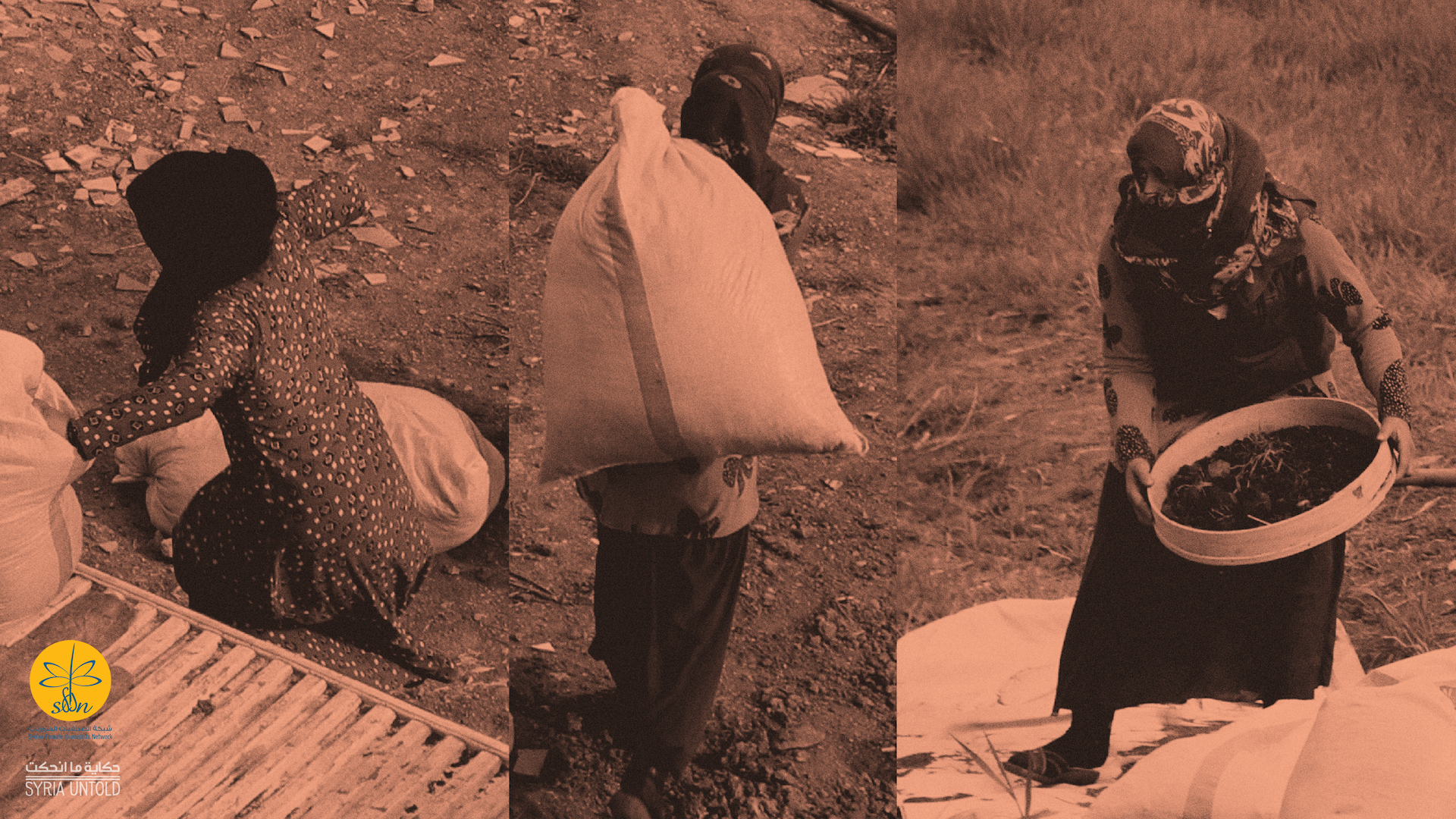

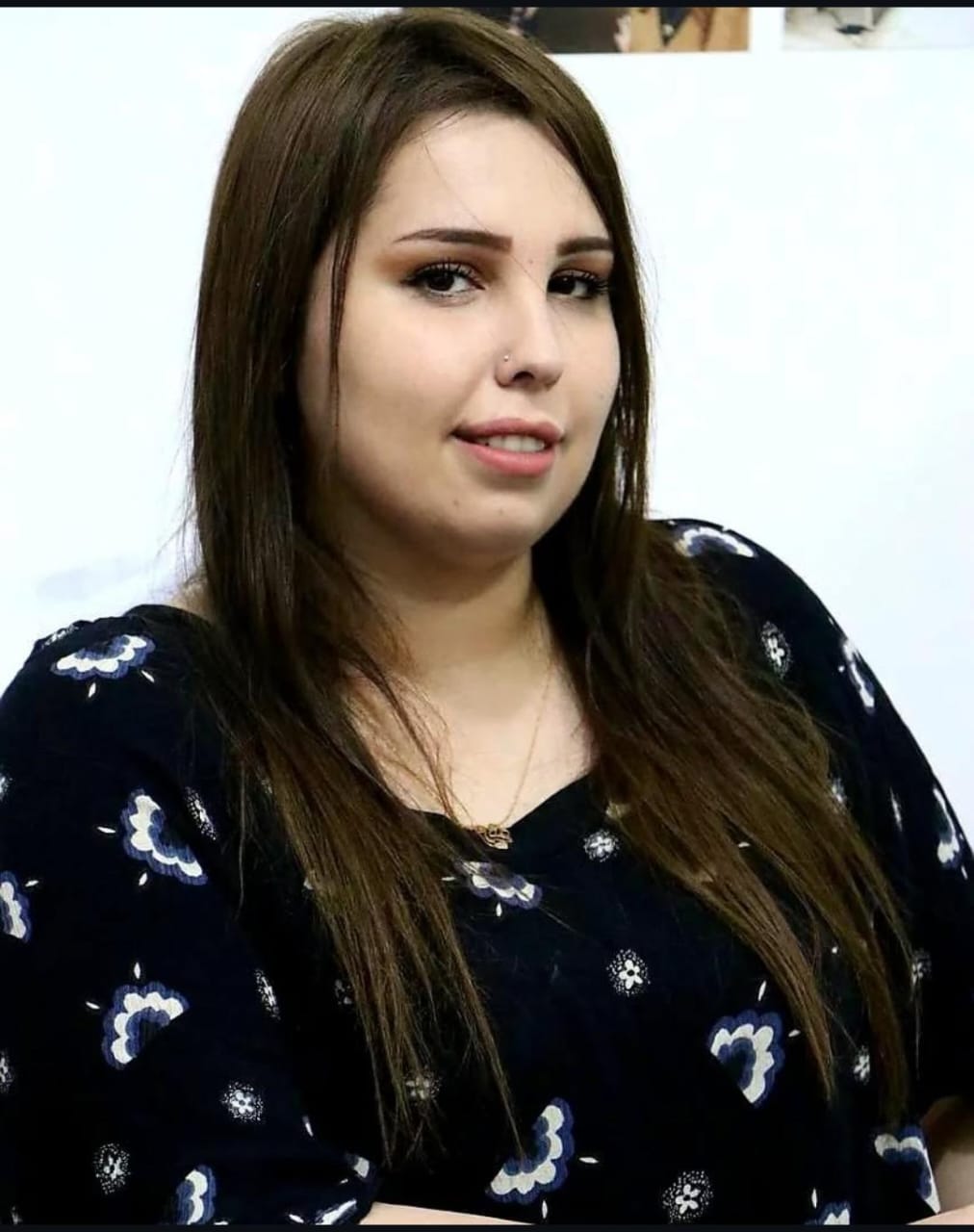
“I used to work on my family's land, with a hoe in my hands, imagining it was a notebook and pen. Whenever I returned from the land, I imagined myself coming home from school”. With these words, Kholood al-Ra'i, a girl from the small village of Dalha in the countryside of Raqqa, sums up her passion for education, which remained undimmed despite all the obstacles. “I had a feeling that one day I would study. I did not give in to reality, and the dream continued”, she says.
Kholood was born in 1983 and started school at the age of five and a half. She finished sixth grade in 1994, but her village only had a primary school. During Hafez al-Assad era, reaching city centers from rural areas was more difficult, and the lack of schools in villages at all levels doubled the numbers of young girls deprived of education. “The nearest secondary school was five kilometres away, and as a result, my father refused to let me take a car to continue my studies outside my village. That was the norm in our area, and he believed that we should work at home and on the land”, she continues.
A year after she stopped studying, a secondary school opened in the village, but it was too late. Her sadness is evident in her voice in the audio recordings she sent to Untold via WhatsApp: “I was only 13 and had taken on all the responsibilities of the house. I created an atmosphere for my sisters to study and hid my frustration”. Kholood was unable to convince her father to let her return to school. Her responsibilities at home prompted him to refuse, despite her mother's repeated attempts to persuade him at Kholood's request. “My dream was to wear a military-coloured uniform. I would buy the belt on its own and wear it over my clothes to feel like a student. When my father sewed a school uniform for my younger sister, I quickly pulled it on to try it on... I was hiding the pain and heartbreak I felt”.
Years passed, and Kholood became attached to her husband, forced to travel to one of the Gulf countries for work. She spent the first six years of her marriage without children, which deepened her sense of emptiness. Then the old dream came knocking at her door again. “I told my husband that I wanted books to take the exam, and he did not object. I studied at home, away from prying eyes. I studied in complete isolation for fear of society's judgement, but education was my ambition, so I found it easy to return”.
In Assad’s Syria, school is prison
18 November 2021
Kholood passed her preparatory certificate with a total of 129 marks over a total of 290, then continued her secondary education in the same way to obtain 109 marks over 240. Regarding these results, she says: “It didn't qualify me for university, but I was very happy. These results were the fruit of my passion, ambition and desire to invest my free time”.
After giving birth to her only child, the family fled from Raqqa to Hama during the years of war in Syria, and then finally settled in Damascus, where she opened a new door of opportunity for herself: “My sister suggested a work-from-home job marketing food supplements, so I joined the company and started training women, then became a member of the Syrian Women's Council in Damascus”.
Kholood's story is not an exception, but rather a reflection of the reality of many girls in north-eastern Syria forced to leave school. “I used to work in the fields and imagine myself coming back from school. I was not satisfied with my reality, and my dream kept growing until it came true”, she concludes.
Deprivation of school passed down through time
Although Kholood was later able to regain her dream, other girls still face the same fate today, as if time has stood still. Fourteen-year-old Sawsan, from Qamishli, is one of those living the same story but with a new face.
In a small house on the outskirts of Qamishli, Sawsan, 14, opened the door to welcome us. The house consists of two rooms, one is locked by order of the owner, forcing her to live with her mother and older brother in one room. The girl chose to speak under a pseudonym for fear of her father's reaction.
The house has a small garden, filled with houseplants. Sawsan's dedication to the housework is all she can do now, having left school a few months ago.
“I loved my school very much and was attached to my friends, but suddenly I found myself at home, and I didn't understand why. All I know is that my mother is afraid for me and doesn't want anyone to hurt me, and my father used to beat me if I asked to continue my studies”, says Sawsan.
I loved my school very much and was attached to my friends, but suddenly I found myself at home, and I didn't understand why. All I know is that my mother is afraid for me and doesn't want anyone to hurt me, and my father used to beat me if I asked to continue my studies.
Sawsan’s mother mentions that they lived in an area far from the centre of Qamishli. After her daughter finished primary school, she became afraid that she would be sexually abused, and her fear persisted until the family decided to take her out of school. During that period, she discovered she had cancer, and her husband decided to abandon her and their children. She found herself with two small children and unable to work due to her health condition, so her son started working to support the family, who rented a house on the outskirts of the city.
“I wish my daughter could complete her education, but our financial situation has become very difficult. In addition, her father threatens her every time he hears that she wants to continue her education, saying that she is too old and does not need to study”. Her mother says that she met a woman who helped her find a home and helped Sawsan study in seventh grade, but she had to stop at the beginning of this school year because there is no school near her home.
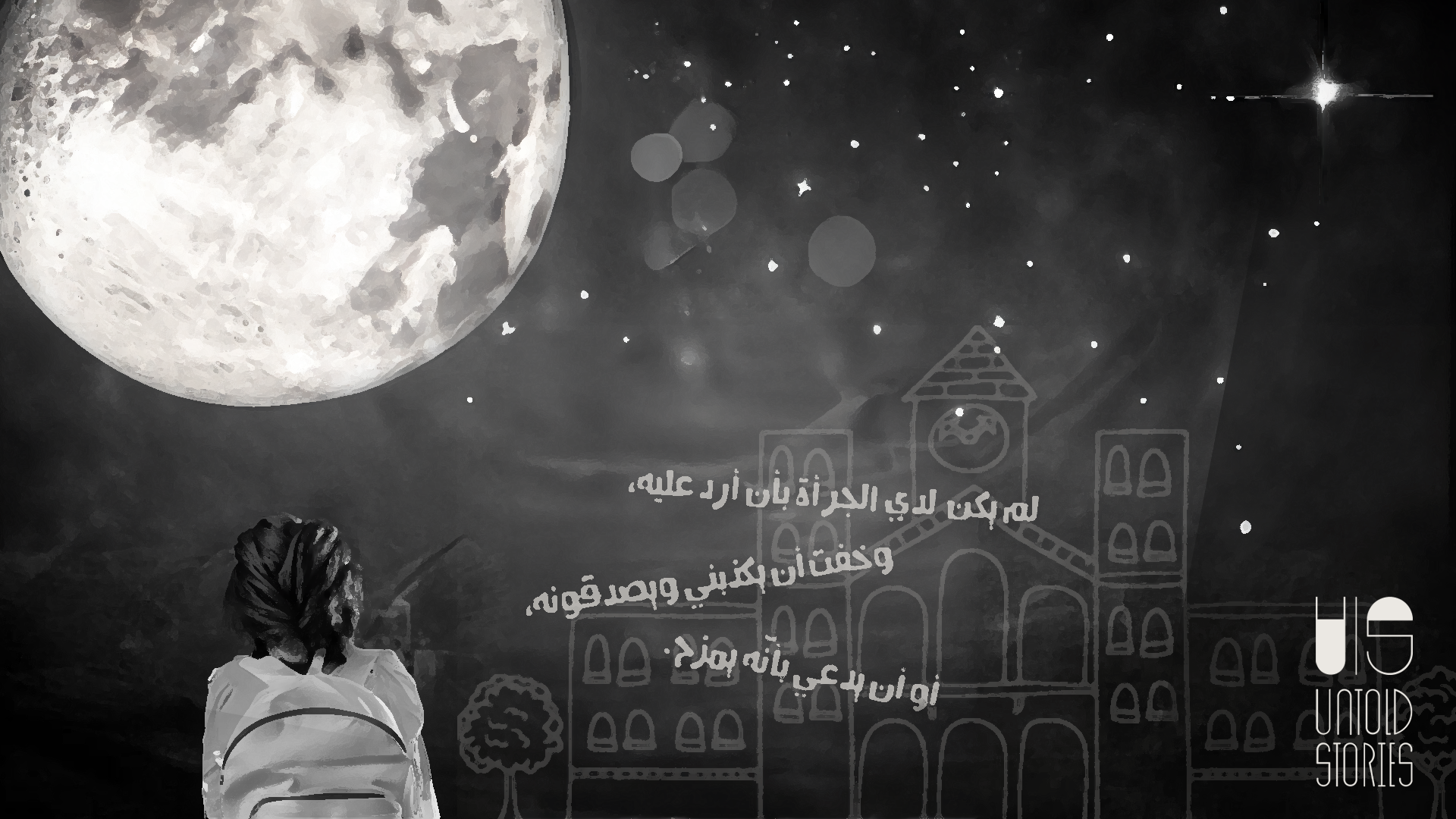
Sawsan sits and looks at the purple watch on her wrist, feeling very shy, and there is a tremor in her voice when she speaks, caused by sadness or fear. “I sit a lot and talk to myself about what I would have done if I had been able to complete my education. I long to have friends, but my mother prevents me from accompanying anyone in the neighbourhood where we live because she doesn't know any of them. As a result, I have become a reclusive girl and do not want to see anyone. Whenever someone talks to me, I get up and break whatever household items I find in front of me”.
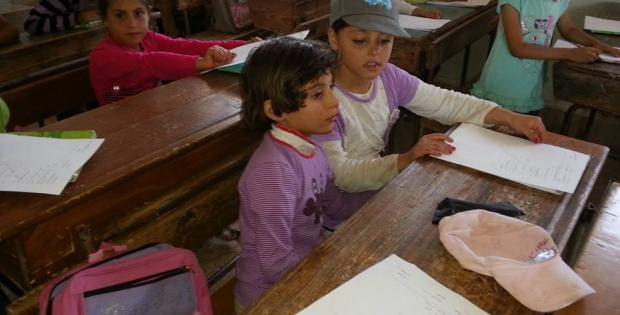
Sawsan's mother says that she kept her daughter's school certificates throughout primary school, but threw them away when the family moved to their new home. “She screamed and cried when she found out I had thrown away her certificates, but I didn't mean to upset her. In this house, there is no place to hide things; it is only big enough to meet our basic needs”, she says.
The curricula under the Autonomous Administration of North-Eastern Syria are both in Arabic and Kurdish, and the schools are located in both cities and rural areas, but people, for the most part, preferred the government curricula for fear that there would be no recognition of the Administration curricula. Education is also subjected to political differences between the Autonomous Administration and the Damascus government: currently all schools that give the government curriculum in the northeastern regions of Syria have been closed.
Although Sawsan is only 14 and has been deprived of education from the outset, her story mirrors that of older girls in the region. Hevin, a 24-year-old woman from the city of Derik/Al-Malikiyah, is another example of the fate that may await Sawsan if social constraints remain stronger than her desire to study.
Hevin also choose a pseudonym to talk about her deprivation of education for reasons related to her social environment. She tells Untold that when her older sister enrolled in university had an experience that prevented the rest of the girls in the family from not continuing their education.
“When my sister finished secondary school, she wanted to go to university, but my uncle decided that no girl in the family could leave our province, on the pretext that he feared my sister would be kidnapped or something else would happen to her. Not content with simply refusing, he attacked her and beat her violently to make her obey his instruction”.
Hevin says she left school when she was 15 years old, believing that if she continued her education, she would face the same fate as her sister, leaving it as an unattainable dream. To make matters worse, no one in her family was convinced of the importance of education, and even her brother followed his uncle's example towards any girl in the family who wanted to continue her education.
“I stay at home all the time. I have nothing to do. Any job opportunity requires an educational certificate, and any opportunity to travel to study or work requires a certificate, but all I find waiting for me every day is housework”, says Hevin.
Despite the differences in generations and circumstances between Kholood, Sawsan and Hevin, the threads of the story remain intertwined: distant schools, rigid social norms, and fear that envelops the lives of girls and prevents them from exercising their most basic rights.
Despite the differences in generations and circumstances between Kholood, Sawsan and Hevin, the threads of the story remain intertwined: distant schools, rigid social norms, and fear that envelops the lives of girls and prevents them from exercising their most basic rights. It is a deprivation that has been passed down through time and threatens society with the loss of its female energy, as Hevin’s case testifies. “I can't bear to sit with my friends anymore. They have completed their education and entered various departments at universities in different Syrian cities. All they talk about is their studies and their memories of university. Here, I feel like I don't belong, and I am certain that losing my degree was a loss of a life in which I could have achieved great ambitions”. While education remains the clearest path to a dignified life, many girls still stand behind closed doors, waiting for a courageous decision from their families and communities, and for a collective awareness that recognises that a place at school is not a privilege, but an inalienable right.
“Now I am confined to my home, without ambition and without hope of achieving any of the dreams I have had since I was a child”, Hevin concludes.