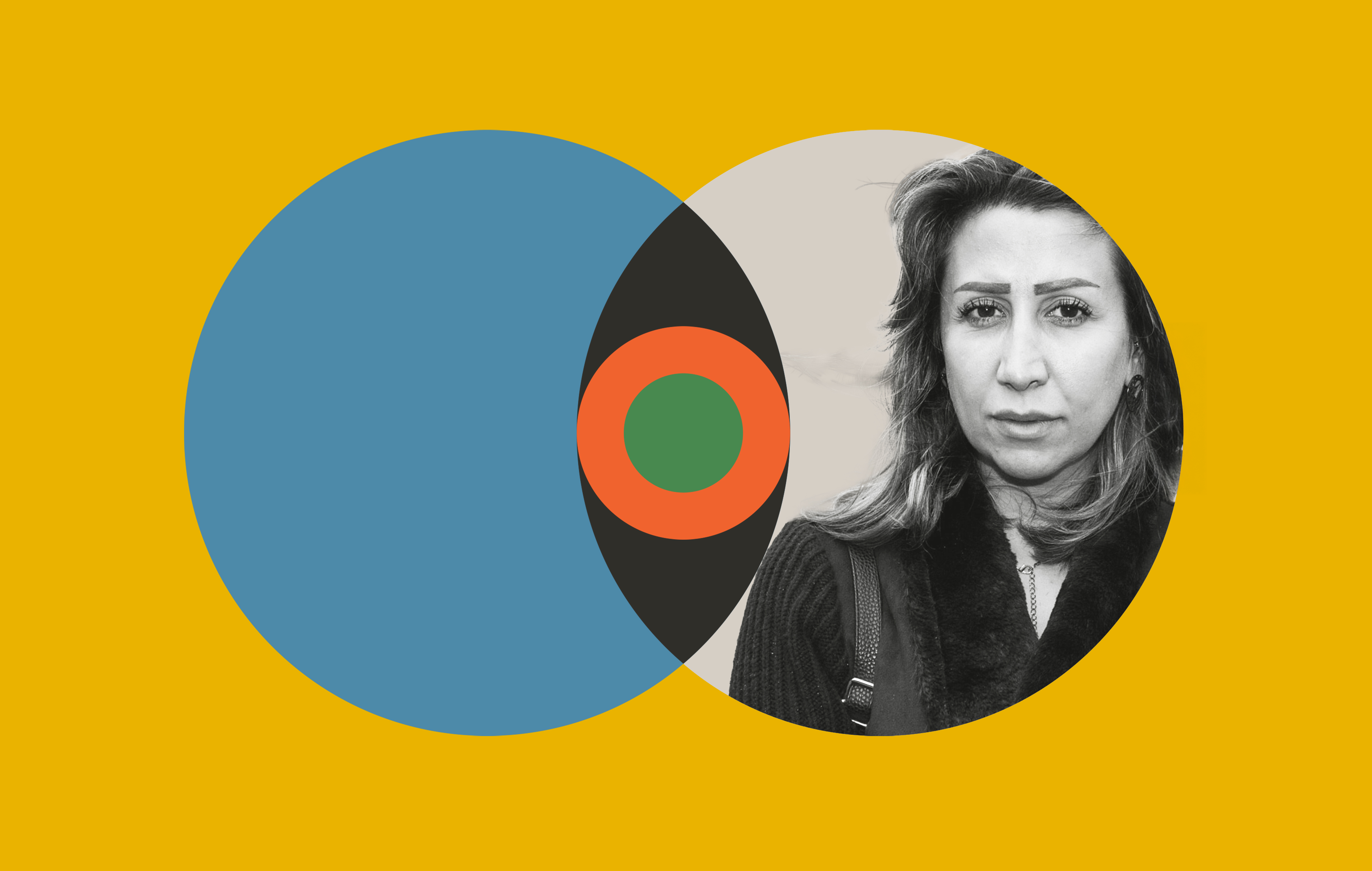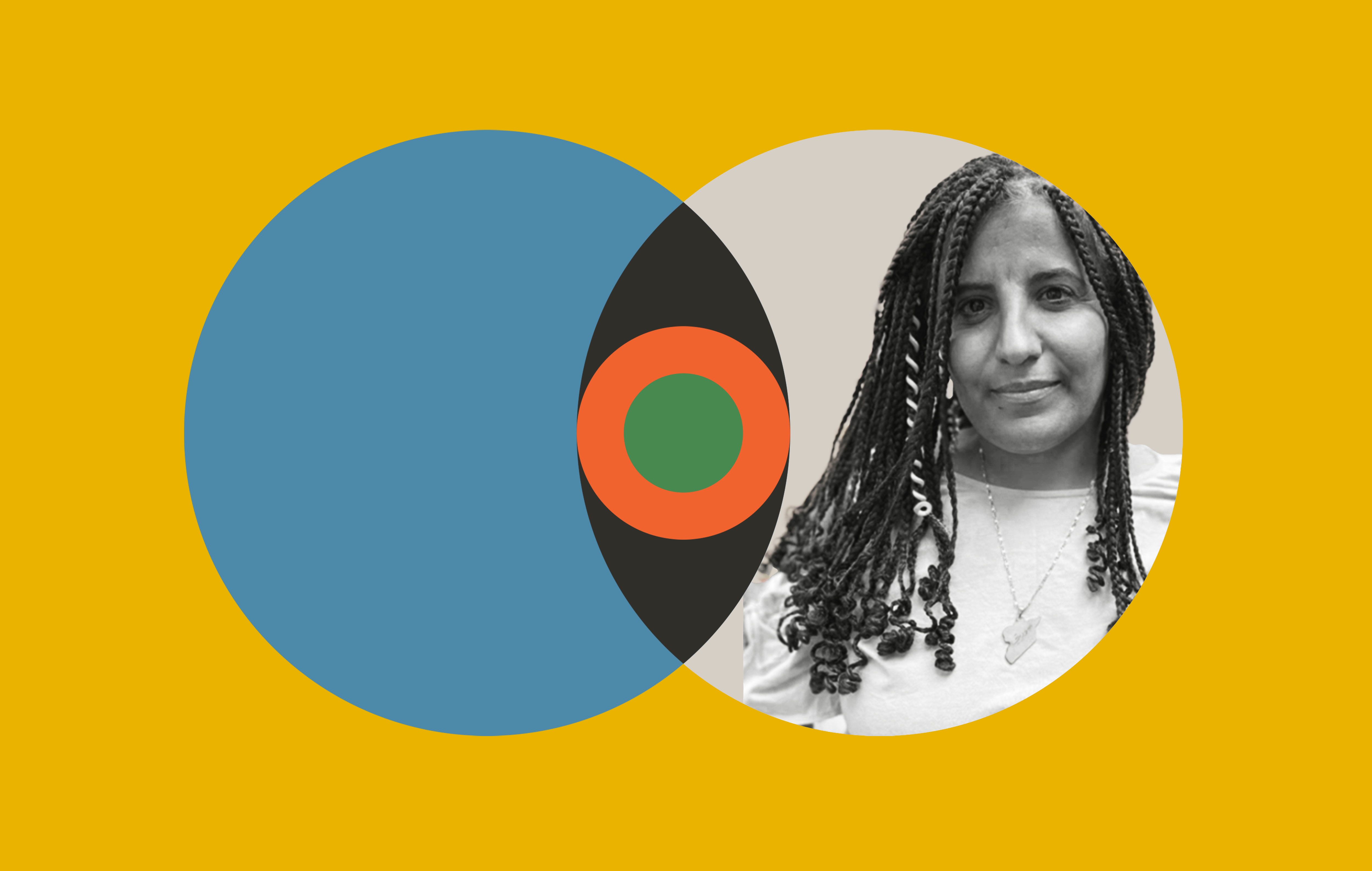

Paris. It is almost midnight, on 8 December 2025, when I receive a text from Tami. She is in Syria, and she informs me that her sister, Alaa, went through a surgery, after the doctors discovered she had colon cancer.
I am devastated. My best, and oldest friend has cancer, and I cannot be near her and her family to support them.
The news brought me back to many memories. There was a phase in my life, back in 2012, when I had only Alaa in my life. Alaa and Cici, my white cat.
Friendship is about taking risks
I have many good friends. Many of them took care of me, sometimes at the risk of their lives. But with Alaa it was something else. She was always there. There were times she was the only one to be there. She knew all my secrets, mistakes, and flaws.
I met her in 1996, as we attended the same class at school, but we became friends only later, at a summer camp in 1997. After school, we went to different classes. Alaa chose literature and I chose the scientific program. Later, even if we registered in two different universities in different places, we kept meeting each other regularly, and we never stopped, until I left Syria.
Alaa belongs to a very conservative, religious, Damascene family. She is veiled. She prays and fasts. She believes women and men should be separated in public spaces. She is for early marriages, and defends Islamic laws. She believes in distinct, traditional, gender roles, and that men should have more authority than women. I have never seen her shaking a man’s hand. I am completely the opposite, and yet we never had a dispute on all these issues. We respected each other’s beliefs.
Alaa was not a political activist and her family was never involved in politics. My family, on the contrary, has a long history of political and human rights activism, and many of my relatives have been detained, tortured, or forbidden from traveling. We were constantly under the watch of security services.
When the 2011 uprising erupted, I started participating in demonstrations and documenting violations against protesters. As a lawyer, I also began to represent political prisoners in tribunals. Soon after, security services started to look for me. When this happened, I had to cut relations with all those I know. Except for Alaa. She was the only person I kept meeting every day. She even got me SIM cards using her name and personal details.
In 2013, Tami, her sister, moved to my apartment with her son and her daughter. It was supposed to be only for a few days. They stayed for four years.
During that long period, Alaa used to visit often and spend the nights with us. The best moments were in winter, when we sat all together, close to each other, under the blankets, on a mattress on the floor of the living room, eating nuts and watching horror movies. The room was the only space with heating, so it was quite natural to gather there, and keep each other warm. After the others went to sleep, Alaa and I used to stay awake until dawn, recalling our memories of when we were younger, talking about intimate issues, summoning old friends and songs, and smoking, until, exhausted, we fell to sleep.
We all knew the risks they were taking by spending time with me, but they weren’t overwhelming, and we continued living our lives.
A cat living with an activist
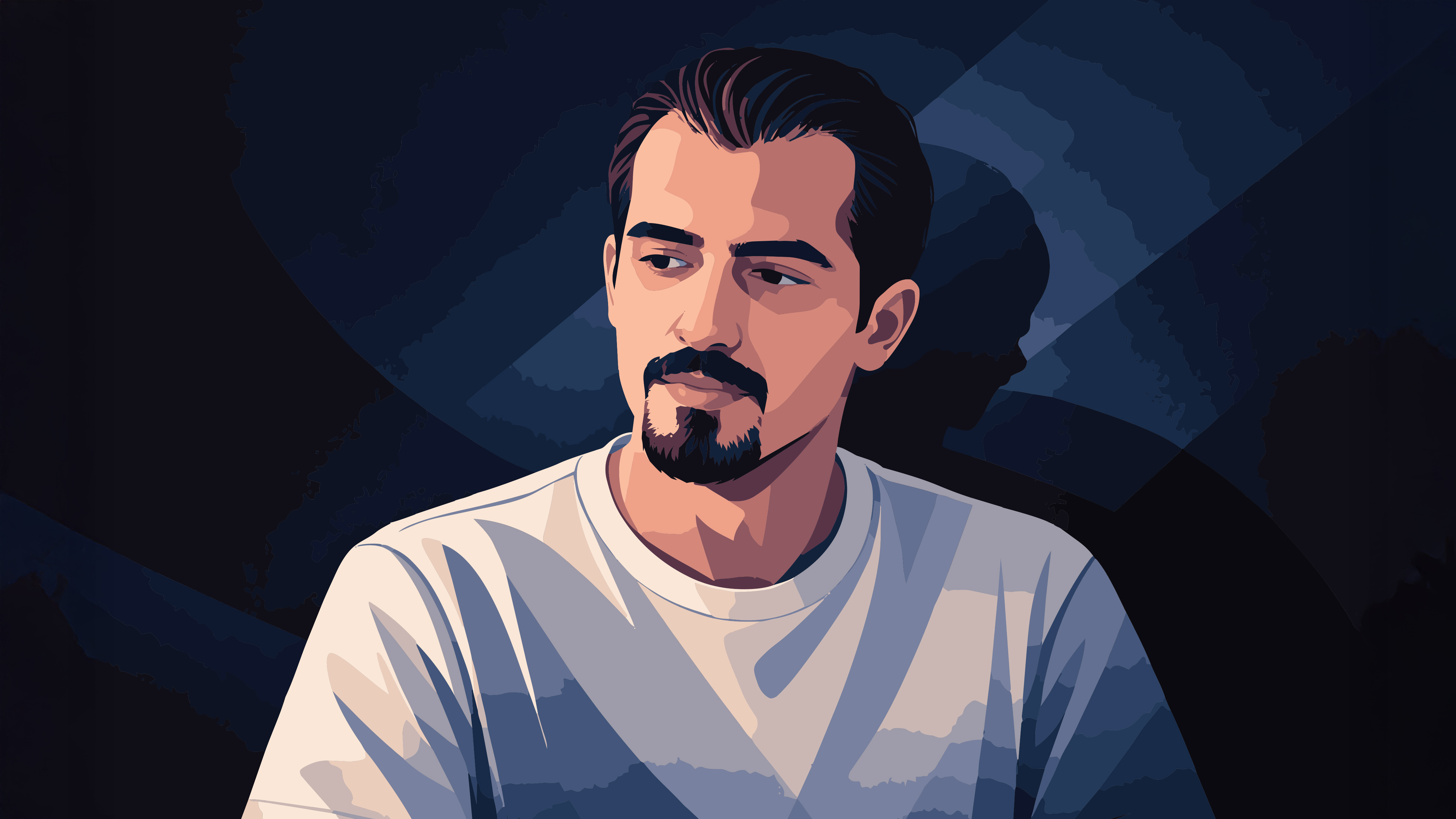
Cici is a French Persian white cat. She is now 14, but when Bassel (Safadi) bought it for me for Valentine’s Day, in 2012, she was only 10 weeks old. She only lived one month with him before his detention on 15 March that year.
Cici accompanied me through all the challenges of these last 14 years: the financial and geographic instability, the mental and emotional problems, the loneliness and the dangerous, sometimes even inconsiderate, choices I made.
She became depressed after Bassel was arrested. It was a particularly tough period. We had no safe space to go, and I didn’t want to endanger any friend by staying at her or his place.
During the summer of 2012, we even had to spend two nights outside, in a public garden, with the noise of bombing in the background. Weeks passed until we finally managed to move to a safe apartment. But we were always alone. I still couldn’t communicate with anyone for security reasons. Cici endured all of this, until, about one year later, she finally got a new family: Tami and her daughter and son, Raghad and Majed.
In that period, if it was not for Alaa and Cici, I could have forgotten how to speak. I was only typing on my computer, and forcing myself to write in English until I became fluent.
One night, in Damascus, the security services called in the middle of the night. They said they were going to kill me. I had to make a decision. Until that very moment, I managed to postpone that decision for years. Ten days later, I took Cici with me, I left Syria and moved to Lebanon. It was the beginning of 2018.

She was not happy of course. After we left Syria, we lived in four countries and changed nine apartments.
In Beirut, she only got better in 2020, after I decided to adopt a dog, Zeus. After a difficult beginning, they became like brother and sister. They began imitating each other, and they became inseparable.
Now Cici is old and not very friendly with strangers. I am the only person from whom she accepts to be touched, carried, and taken care of. She cannot hear well, not only because of age, but also because of the exposure to bombings and explosions from the time when we were living in Syria. Sometimes my friends complain about her unfriendly attitude.
They don’t know she went through so much, because of me.
The affective price of distance
If Cici was with me, Alaa wasn’t.
Leaving Syria was the hardest thing I ever did. I got separated from my family and friends. For the first time, I also felt disconnected from Bassel. While I was still there, I could feel him, despite his forced disappearance and, then, his execution.
During the first weeks in exile, I used to communicate with Alaa every day. Then, calls and messages became less and less, and kept declining naturally throughout the years. However, whenever we talked, it was as if we were still sitting together on that mattress in Damascus, smoking, drinking coffee, and talking about a hundred different things.
We never blamed each other for not communicating more often, and we never felt we were far from each other: we were still exchanging our secrets and intimate details as we always did.
In 2021, for the first time in years, I had a video call with Tami. She was visiting my mother who had had an accident. We cried when we saw each other after such a long time.
The real challenge
This is what being an activist or a human rights defender in Syria under Assad meant. It was not only about the risk of being arrested, tortured, or forcibly disappeared. It was also about being forced into an emotional separation from loved ones, and the deprivation of very simple, daily needs. It often meant renouncing personal rights for the sake of public ones.
We have to accept creative alternatives and adapt, like for example when many of my friends, including Alaa and Tami, virtually attended my wedding in Paris. They were with me, but they were also not. I couldn’t hug them. They couldn’t meet my husband in person.
In exile, we need to find new friends, create new memories and different habits. But old friends can never be replaced.
After the fall of the regime, I was finally able to visit Syria again. I planned my trip accurately, and I thought it was long enough.
It wasn't.
I couldn’t meet all the people I wanted. I saw Alaa only twice in 50 days, for just a few hours. We weren’t angry at each other for that short meeting time, just grateful that we had at least that chance.
Cici and Zeus couldn’t travel with me: it was the longest period I was apart from them.
I left Syria, but my fear is always there: that something could happen and I am not there.
Because of this, I suffer from panic attacks every day.
Just before Tami informed me of Alaa’s sickness, my mother told me that my father needed two surgeries in his eyes.
Alaa’s operation went well and her health is now improving. But after I learned about her disease, my fears and panic attacks multiplied.
I feel as if I am two parts: my body is in France, and my soul is still in Syria, and it never left.
This is the most difficult challenge about being in exile, and I could only express it after my friend had cancer.
And as I finally could realize and define it; maybe I could learn how to deal with it.