
This article was produced as part of the "Her Turn - دورها", a joint initiative between the "Women Who Won the War" platform and the German organization "TAZ".
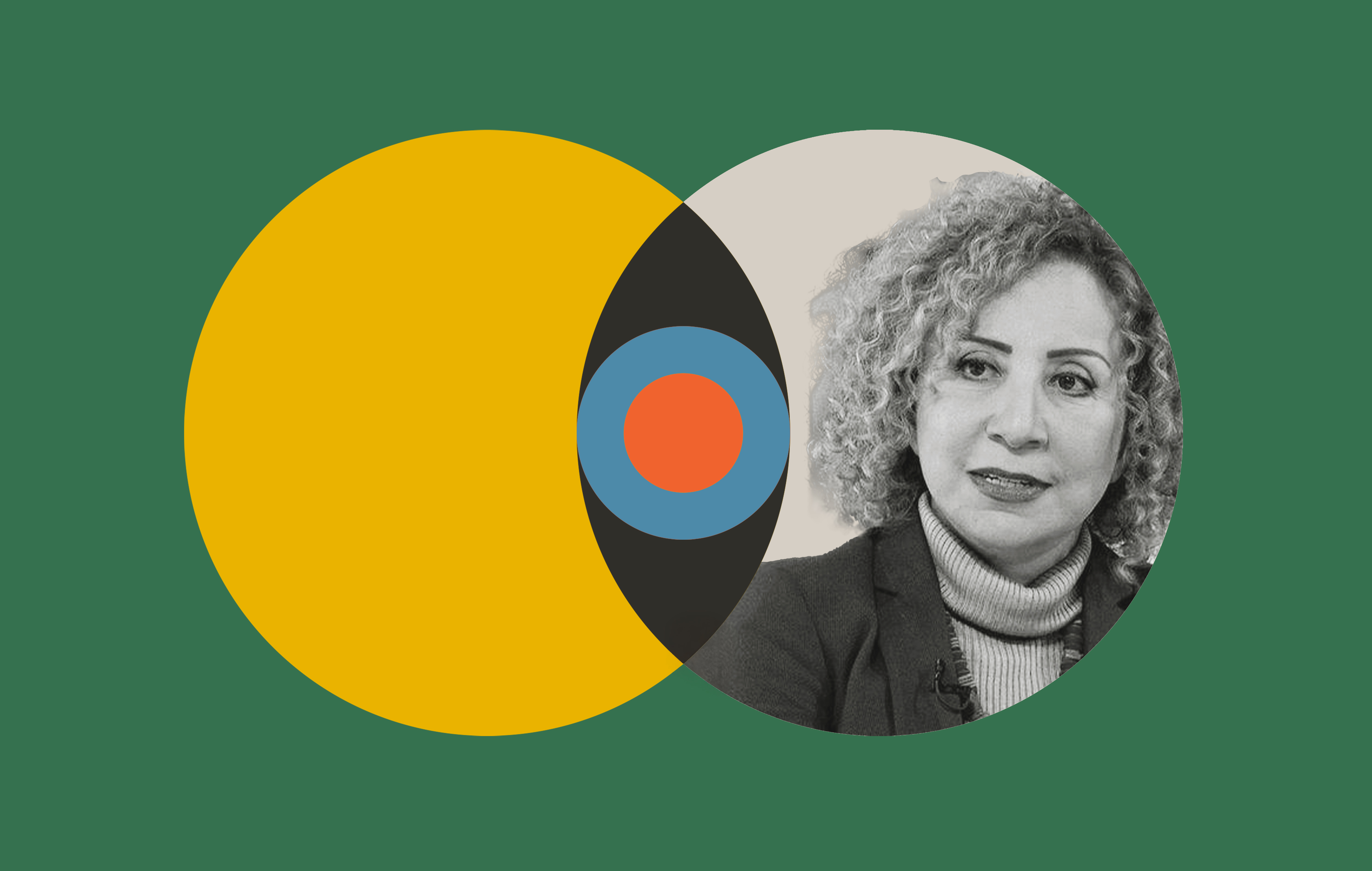
Amidst the bustle of Damascus, Rana Al-Sheikh Ali sits by a restaurant window, worn out after a week of workshops. Watching the passersby, she returns to a hunting question: «How can those living under oppression safely document their reality and reclaim their own narrative without risking their lives?»
For Rana, Executive Director of Darat Salam (Peace Circuit) - a feminist initiative using technology to build peace and empower women - the answer was never mere theory. Her academic path began with legal studies in Damascus in 2007 and evolved into a Master’s in Human Rights in Beirut by 2019, where she shifted her focus on how to make justice accessible. In 2020 she started Justice Narratives – an approach that empowers people to document their stories and experiences in their own words. «Since comprehensive trials are so difficult to achieve today», Rana explains, «we need a way to tell our own stories safely so they don’t fade away. This reclamation of truth is, in itself, a step toward collective healing».
From labor rights to the rule of law
Rana’s professional path began in 2009 at the Ministry of Social Affairs and Labor, in the department dedicated to labor and workers' rights. However, her transition to civil society took shape in 2015 when she joined Mauj – a feminist, non-profit civil organization that addresses social and development issues through gender-sensitive media. At Mauj, she went from being a social media trainer to Programs Director (until 2022). Since August 2025, Rana has been a legal researcher at the Syrian Center for Media and Freedom of Expression (SCM). For her, it’s a quest to transition from "rule by law"-often used to legitimize control- to the "rule of law", where justice stands above corruption. «Rule by law is a top-down tool», she explains. «The rule of law must be a framework for rights, closing the divide between policymakers and those on the ground, especially journalists and youth».
In Darat Salam, she transforms legal research into Developmental Media. The team simplifies complex terminology into social media guides, teaching youth how to legally counter hate speech and document their stories safely online to ensure future accountability.
Darat Salam: technology meets justice
«My name is… On the day of… I was killed in… » With this narrative format, Asamina ("Our Names"), a project merging the Arabic word for "grief" with the "MENA" region, reclaimed the stories of femicide victims. Launched in 2021 as an interactive digital platform and a gender-based violence observatory, it used technology to map and archive crimes, filling a data gap in the Arab world. «Justice begins with the right to own the narrative», Rana asserts. «Those affected by violence must tell their own stories, rather than having them erased by others».
This philosophy has evolved into a technical mission for a team of 20 people, navigating how to transform research into "digital action". The team acts as a bridge, aimed at closing digital gaps that emerged following the fall of the Al-Assad regime- specifically the "conceptual ambiguity" surrounding a shifting Syrian identity. As old narratives collapse, young people are discovering each other for the first time, seeking to redefine citizenship as a practice of rights and duties -not just as a nationality- in the transitional phase. For instance, 50-page legal studies on cyber-extortion were transformed into interactive Instagram storytelling, where users navigate safety scenarios -learning to verify deepfakes or report hate speech- turning static research into a practical tool for digital safety. This approach is manifested in projects such as Tech-in and Basma-Tech.
Basma-Tech: technology meets citizenship
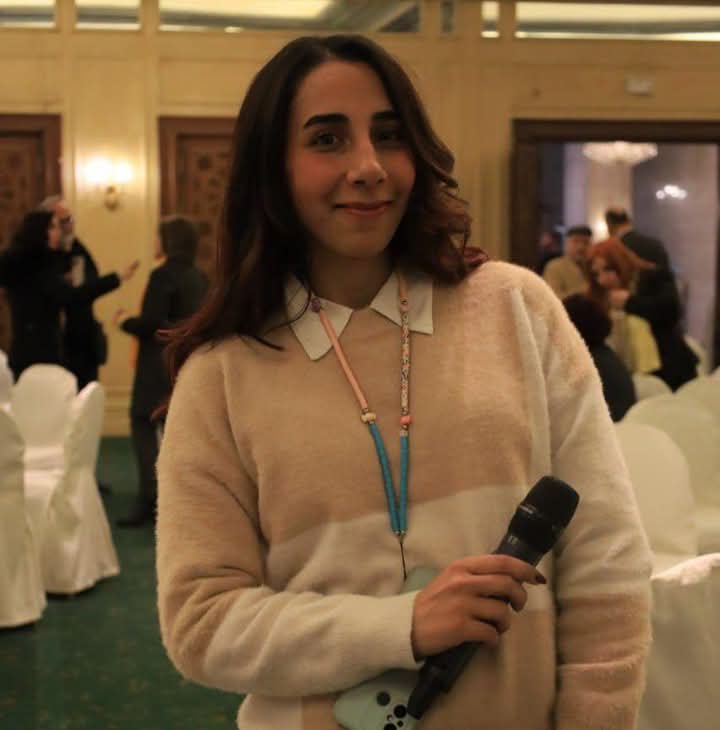
In the wake of the 2025 political shift, the Basma-Tech project emerged as a bridge toward digital citizenship. As the regime's control collapsed, leaving a vacuum of disinformation and digital threats, the project provided a fortress for those navigating the transition. Massa Olaya, the Consultant for Technology Research and Development at Darat Salam, views this work as a necessity. « People have lost their lives due to disinformation and fake content», she explains.
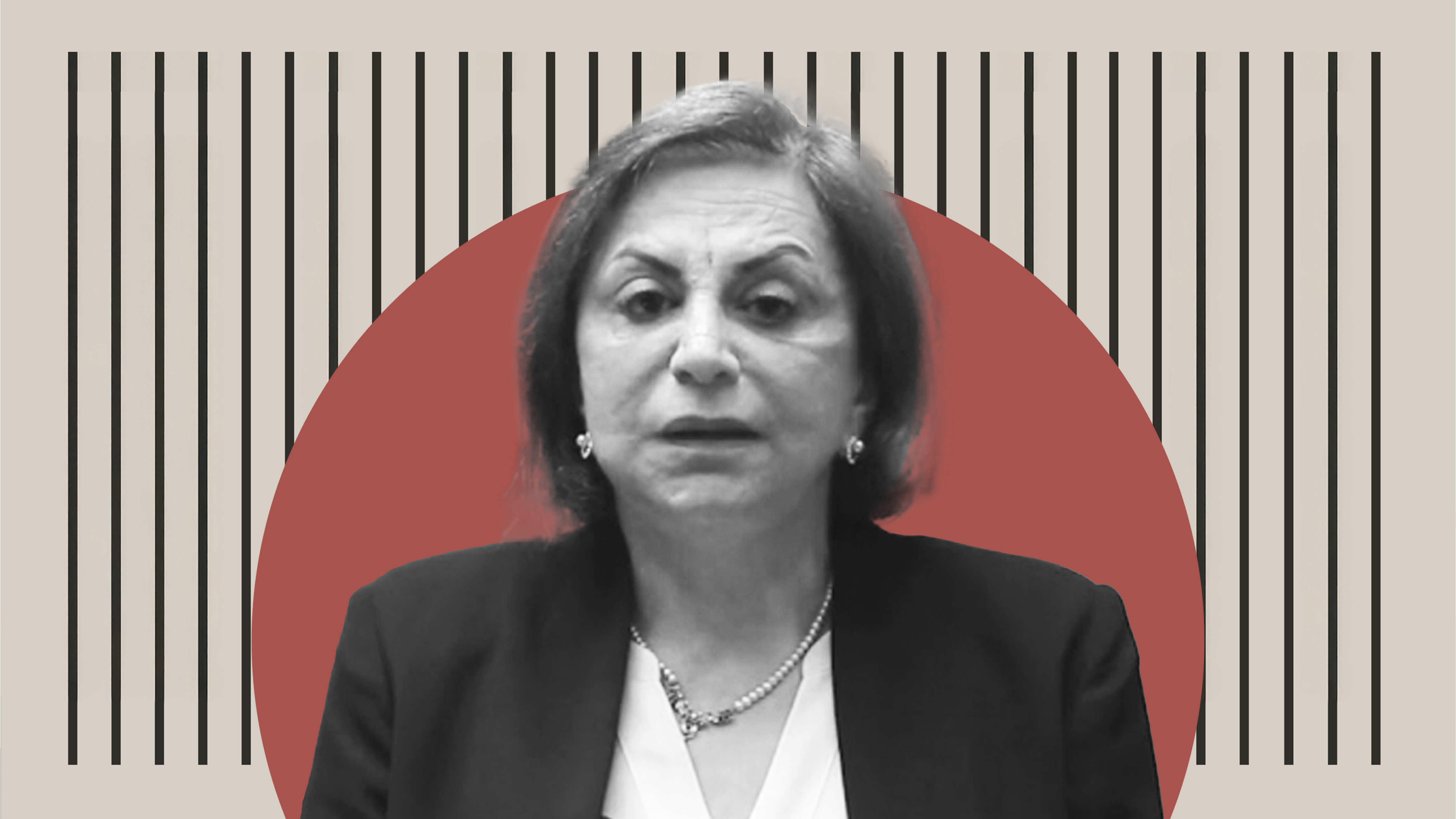
Alongside her colleague, Massa co-authored the "From Citizenship to Cybersecurity" curriculum, designed to protect youth from exploitation, fraud, and blackmail. The training equipped participants to verify AI-generated content and navigate risks like those posed by the Sham Cash -a Syrian electronic payment application. Massa was moved by the engagement: «The youth were not just participants; they pushed for more advanced technical levels, showing an incredible appetite for knowledge», she notes.
The impact of this technical shield was immediately evident in the experience of independent journalist Ghazal Al-Mustafa. While producing a video to dismantle hate speech, Ghazal became the target of a systematic defamation campaign. Instead of engaging in digital feuding, she utilized Darat’s institutional support system and digital safety protocols. This shift allowed her to respond with "legal discipline" transforming a personal attack into a case of digital sovereignty. «I shifted from being a victim of targeted incitement to a citizen who knows how to protect myself», Ghazal explains. For her, technology became a fortress protecting legal rights during sensitive transitions.
Similarly, for Manal Al-Ali, a researcher in International Economic Relations, the training reframed Syria’s future. «Digital rights are no longer just a technical extension of traditional rights; they are the core of the modern social contract», she emphasizes.
Navigating the digital chaos in the post-fall vacuum: the challenge
In the wake of the sudden collapse of the Assad regime, a vast segment of the youth - who had known nothing in their lives but war and censorship - rushed to embrace the digital sphere as an alternative arena for expression. Social media platforms erupted with millions of voices sharing, commenting, and debating freely for the very first time.
However, this "digital frenzy" was far from utopian. In the absolute absence of alternative institutions, polarizing discourse seeped in, bringing a deeply alarming surge in hate speech and calls for revenge. This explosion was fueled by mounting frustrations over delayed transitional justice mechanisms and their ambiguous trajectories, compounded by identity crises left behind by years of fragmentation. The Syrian public sphere effectively transformed into a volatile minefield charged with tension and verbal warfare.
Amidst this tempestuous digital climate, the work of Darat Salam has transformed into a vital "lifeline". By redirecting this overwhelming youth momentum toward constructive digital citizenship, Rana and her team are helping replace retaliatory rhetoric with legal documentation mechanisms that guarantee future justice. Their efforts seamlessly integrate with other civil society initiatives striving to fill the void, such as "Verify-Sy" for fact-checking and "Baligh" for combating online violence, among others, alongside documentation projects like "The Prisons Museum", a platform serving the research the forcibly disappeared across all factions of the conflict.
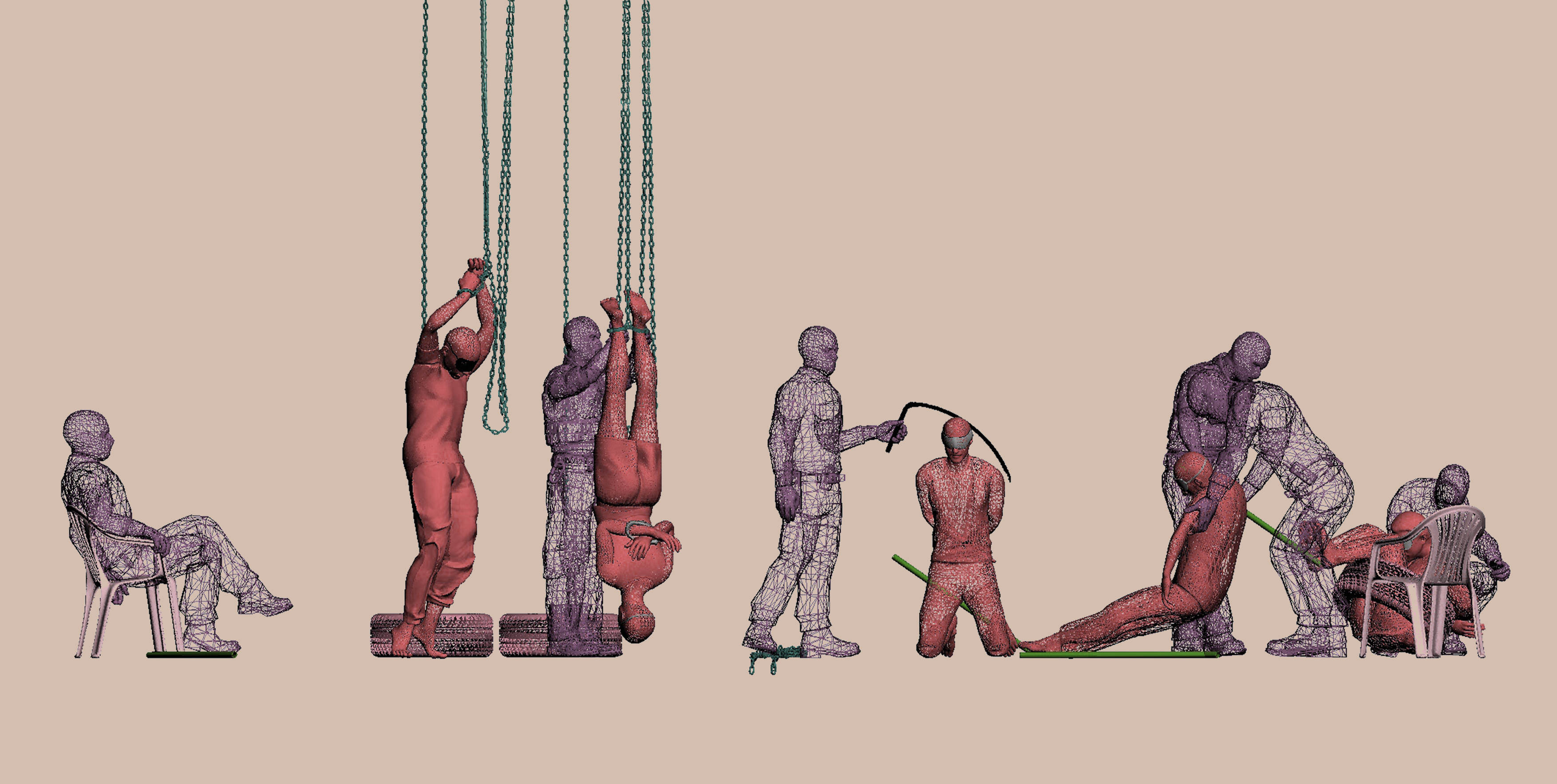
The Virtual ISIS Prisons Museum
15 November 2024
In a polarized society, Rana faces what she calls a «complete misunderstanding» where neutrality is often mistaken for bias. «I was once attacked by biased voices for not addressing the Kurdish issue in the Syrian Al-Jazira» Rana recalls, «Despite my silence, I was accused of government alignment».
The lack of a permanent office and official licensing are major hurdles. Rana explains that finding a headquarters in Damascus is currently stalled by a lack of funding. This, in turn, has delayed the licensing process, which is currently in progress.
Without a fixed base or full legal papers yet, the team’s work is restricted to Damascus and its countryside. «We are always on the move, holding workshops wherever we find space, alongside online activities and meetings», she says. Beyond these physical barriers, Rana faces the dismissal of her efforts just because she is a woman -a systemic challenge shared by many Syrian women today.
Rana's eyes sparkle when discussing Syria's future. She sees today's achievements as the beginning of a long-held dream: for Syrians to be true decision-makers. With confidence she says: «For now, we are moving with full force... We are charging ahead».