

This is the second of a four article series, examining the former Nazi personnel missions in Syria. It builds on the author's master's thesis, which contains the complete source documentation and archival references. Editorial supervisor: Sulaiman Abdullah
All rights reserved. Any form of copying, reproducing, or republishing of the text is prohibited.
***
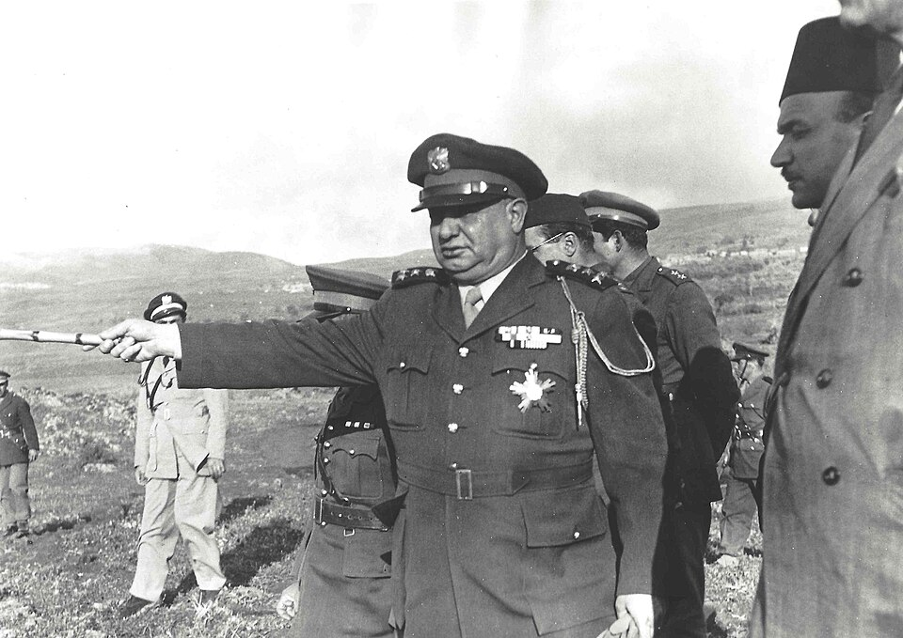
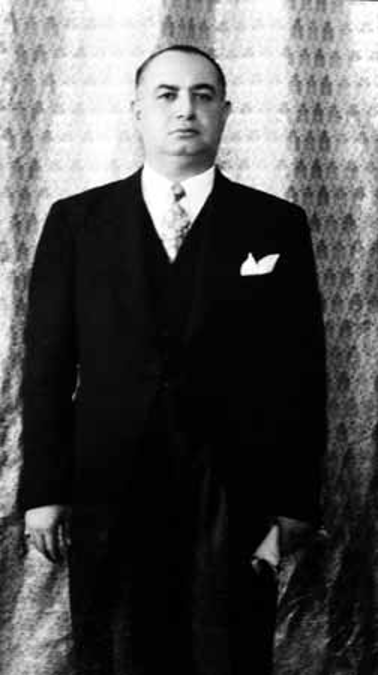
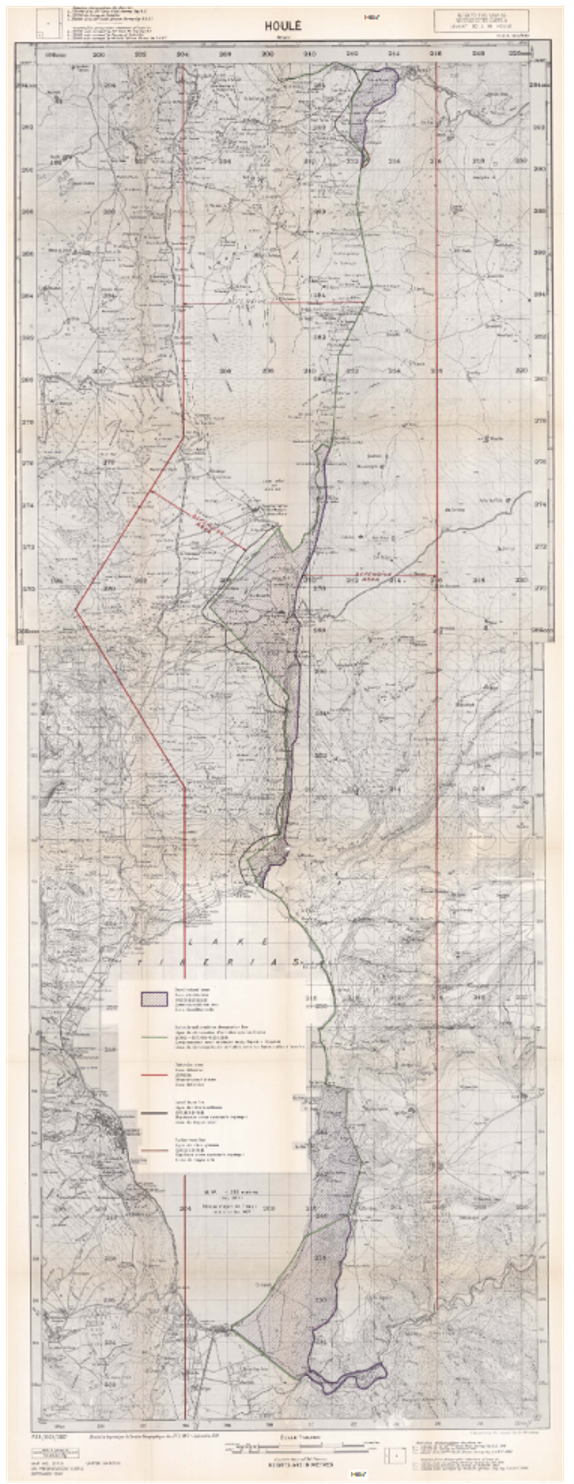
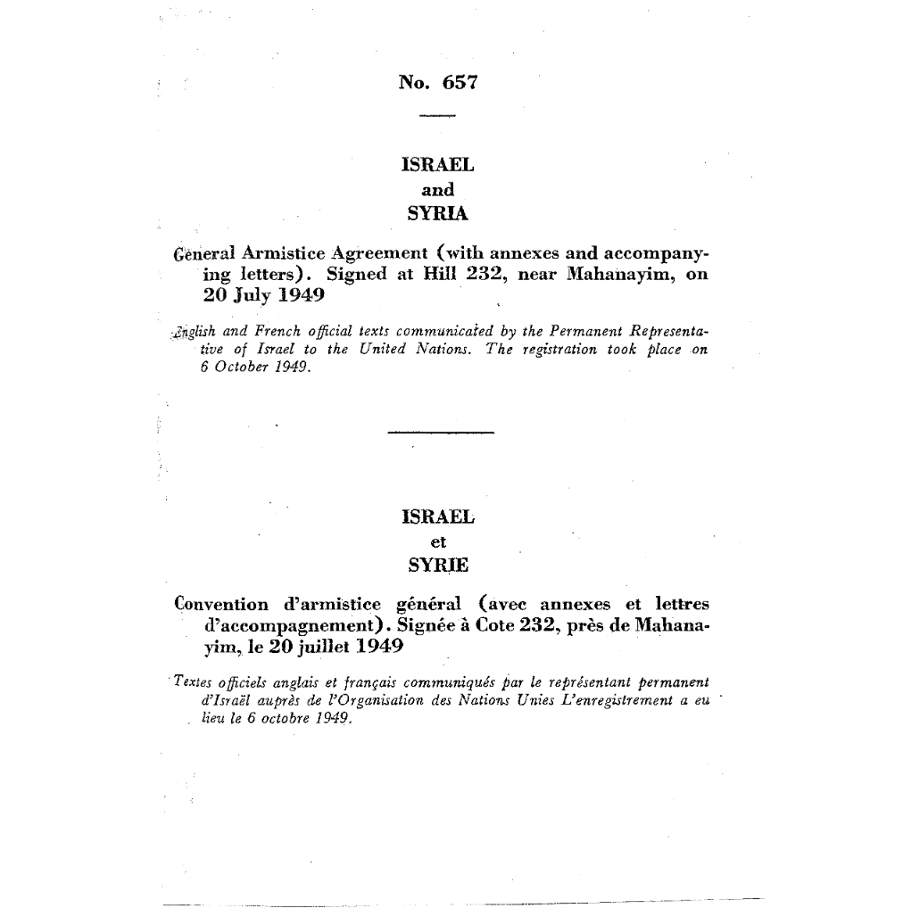
Syria’s signing of the armistice agreement with Israel on 20 July 1949 formally brought the first Arab-Israeli war to an end. The agreement, however, also confirmed a humiliating defeat and exposed the institutional weaknesses of the new Syrian state. Independence from French rule had come only three years earlier, and the government was still struggling to build institutions capable of consolidating its sovereignty, let alone defending Palestine. Syrian soldiers had shown considerable individual courage, but the armed forces were hampered by poor coordination and weak intelligence structures. Israel emerged from the war in control of 78% of the former Mandate territory, instead of the 55% allocated to it under the UN Partition Plan (1). For President Husni al-Zaim, who had seized power from Shukri al-Quwatli in Syria’s first military coup in March 1949, the rapid modernization of the armed forces and intelligence services therefore became an urgent priority. His government continued to seek foreign military specialists who could help prepare Syria for a future confrontation with Israel. In the aftermath of the Second World War, this search led Syria to the systematic recruitment of former members of the Wehrmacht and SS. Their motives varied; some sought protection from international prosecution, others looked for opportunities to continue their military careers, while others were motivated by financial gain or the prospect of adventure.
Walther Rauff and the reorganization of Syrian Intelligence
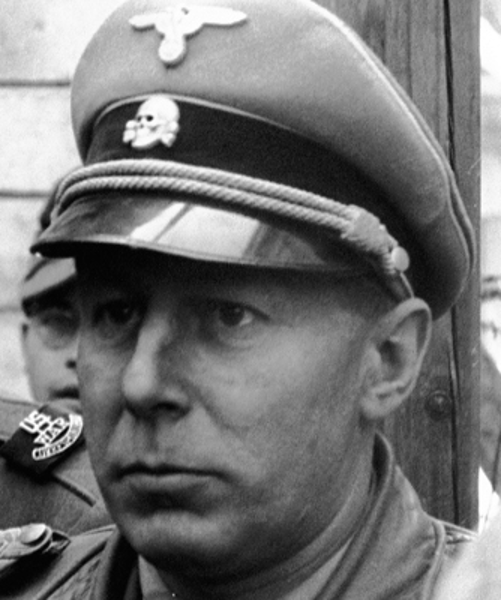
Among the most controversial figures to arrive in Syria was Walther Rauff, a former SS-Standartenführer who had served in the Reich Security Main Office (RSHA) as head of Technical Affairs. A personnel file described him as “absolutely steadfast” (2) in his commitment to National Socialist ideology, a commitment that had survived the collapse of the socalled Third Reich. Rauff had played a central role in the development of mobile gas vans fitted with ‘quick-release devices’ (3), which were used in the mass murder of Jews during the Shoah. From late 1942 onwards, he served with the Security Service (SD), first as head of an SS Einsatzkommando in North Africa and later in Italy. There, his responsibilities included intelligence gathering, the registration, deportation and execution of Jews as well as the brutal persecution and oppression of resistance fighters.
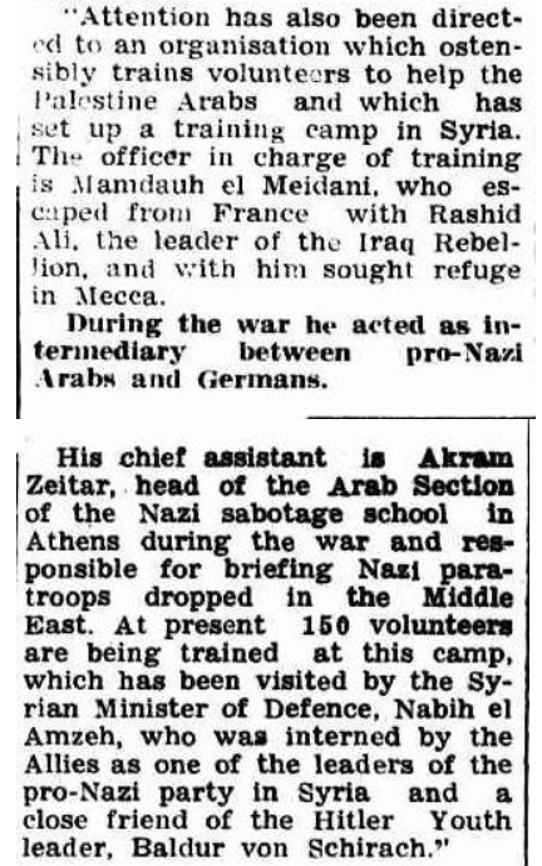
By 1949, Rauff had become involved in the first German military advisory mission to the Syrian government, headed by Hyazinth Graf Strachwitz. Al-Zaim’s coup changed the position of the German advisers. Rauff took over the leadership of the mission, marking the beginning of its second phase, and was appointed intelligence officer responsible for reorganizing and training the Deuxième Bureau, Syria’s military intelligence service. The position gave Rauff considerable influence. The Deuxième Bureau was responsible not only for collecting intelligence but also for monitoring political opponents, making arrests, and bringing individuals before military tribunals. Across the four phases of German involvement, Rauff was the only figure to play a significant role in both the transfer of military expertise and the development of Syria’s internal security structures. Rauff also established a close relationship with his superior, Mamdouh al-Midani, who described the two men as “great friends” (4) in a letter. During the Second World War, al-Midani had mediated between German and Arab fascists, later ran a training camp in Syria for volunteers fighting against Zionist forces, as the Sydney Jewish News reported in 1946. By 1949, he was in charge of the country’s military intelligence service.
The "Gestapo" comparison: surveillance, interrogation, and repression
Husni al-Zaim sought to expand state surveillance and suppress political opposition. In June 1949, a journalistic source reported that al-Zaim was attempting to organize his intelligence services according to the principles of the Gestapo:
“This is why he is surrounded by Germans and young Syrians who once lived in Germany, like Akram Tabbara, Mamdouh al-Maidani, Hicham al-Mahaini, and others whom he trusted” (5).
The call for a Syrian Gestapo, or secret state police, is particularly significant given the role the organization had played within the Nazi system of repression. The Gestapo monitored society, pursued political opponents, relied on informants and denunciations, maintained extensive personal records, imposed preventive detention and collective punishment, and used torture. It was also deeply involved in the persecution and murder of European Jews.
Rauff’s own professional experience was closely bound up with this machinery of repression and mass violence. According to several accounts, he brought elements of this experience to Syria, where he was reportedly developing and advising on interrogation practices and torture methods, including the interrogation and torture of Syrian Jews who were “frequently arrested without reason and detained for several days” (6).
The situation of Syria’s Jewish population had deteriorated drastically following the UN Partition Plan for Palestine and the subsequent Nakba. Anti-Zionist hostility intensified, and attacks on Jewish communities occurred in several parts of the country. The most violent episode was the 1947 pogrom in Aleppo, in which dozens were killed and hundreds injured (7). The government imposed martial law, while Syrian Jews increasingly faced direct forms of state discrimination. These included restrictions on freedom of movement, the freezing of bank accounts, and the dismissal of Jews from public service, followed by their exclusion from such positions.
In the eyes of the Syrian and Egyptian governments, former Nazis appeared to be natural allies in the fight against Israel because of their antisemitism (8). Their presence was also noticed by the wider public. The journalistic source mentioned earlier referred to the Germans working for the Syrian intelligence service as “those whom the people call the Gestapo”(9). Syrians were therefore aware not simply that Germans were present in the country, but that they were involved in building its emerging security apparatus.
Networks of loyalty and suspicion
The German presence around al-Zaim extended well beyond the intelligence services themselves. Rauff reportedly helped surround the president with “a cloud of informers and policemen” (10). A German named von Lipkau was appointed head of al-Zaim’s personal bodyguard and accompanied him on official journeys. The German mission thus became closely associated with both the personal security of the Syrian leader and the institutional development of the state’s security apparatus. The relationship between al-Zaim and his German advisers was nevertheless unstable. The president eventually grew suspicious of von Lipkau because of his alleged links to the Syrian communist movement. Those suspicions also reached Rauff, whose close association with von Lipkau raised questions about his own loyalty. Such concerns were not entirely unfounded. Rauff had worked for Israeli intelligence services and apparently also for the British, providing information on Syria’s military and mukhabarat (11).
For some of the Germans arriving in Syria, the country was little more than a “welcome opportunity to resettle politically compromised compatriots abroad”(12). The result was a remarkably heterogeneous group: opportunists and careerists alongside men described as “failed existences with unclear pasts”(13). Personal rivalries were common, and members of the mission occasionally sought to discredit one another in the eyes of their Syrian colleagues and superiors. Practical and institutional shortcomings further undermined the effectiveness of the mission. The German advisers were dissatisfied with their salaries, complained about differences in pay, and often faced delays in receiving their wages. They were also frustrated by their positions within the Syrian military, which they had expected to give them greater authority and influence. According to the CIA, these circumstances left more capable individuals with little opportunity to demonstrate their abilities, while those with questionable backgrounds quickly attracted attention through their conduct.(14)
These difficulties were not unique to the Syrian context. Rivalries among German personnel operating elsewhere in the WANA region reveal a broader pattern of competition, mistrust, and fragmentation. An article from 1953 by journalist Leo Heiman, for instance, described growing tensions between competing German recruitment networks in Beirut, Amman, Cairo, and Damascus (15). The clandestine German Prisoners’ Committee in Beirut, which facilitated the recruitment of former Nazi personnel for Arab armies, was taken over by the “Damascus Nazis”, forcing its former chairman, Count von Hardenberg, to leave Beirut and establish a competing committee in Amman in 1949, intended to recruit for Transjordan and Iraq. Another organization, the Central Committee of Germans in the Middle East, based in Cairo and headed by Otto Remer, subsequently demanded the dissolution of von Hardenberg’s committee. When he refused, Walther Rauff and Rainer Kriebel reportedly travelled to Amman, abducted von Hardenberg, and transferred him to Alexandria, where he was allegedly killed. As Heiman concluded, “[…] the rift among the Germans in the M.E. [Middle East; T.P.] has now assumed serious proportions”(16). German personnel serving with the Transjordanian and Iraqi forces likewise distanced themselves from the “Gestapo-run German missions to Cairo and Damascus, which are led by such notorious war criminals as Remer and Skorzeny in Egypt and Rauff and Sauvant in Syria” (17).
The fall of al-Zaim and the end of the second mission
The political events of August 1949 brought this phase of German involvement in Syria to an abrupt end. On 14 August, only a few months after al-Zaim had seized power, Sami al-Hinnawi overthrew him in another military coup. Al-Zaim was subsequently executed, and a large number of Germans working for his government were dismissed. By 1951, the Foreign Office intelligence service had therefore concluded that the German mission associated with al-Zaim had failed.
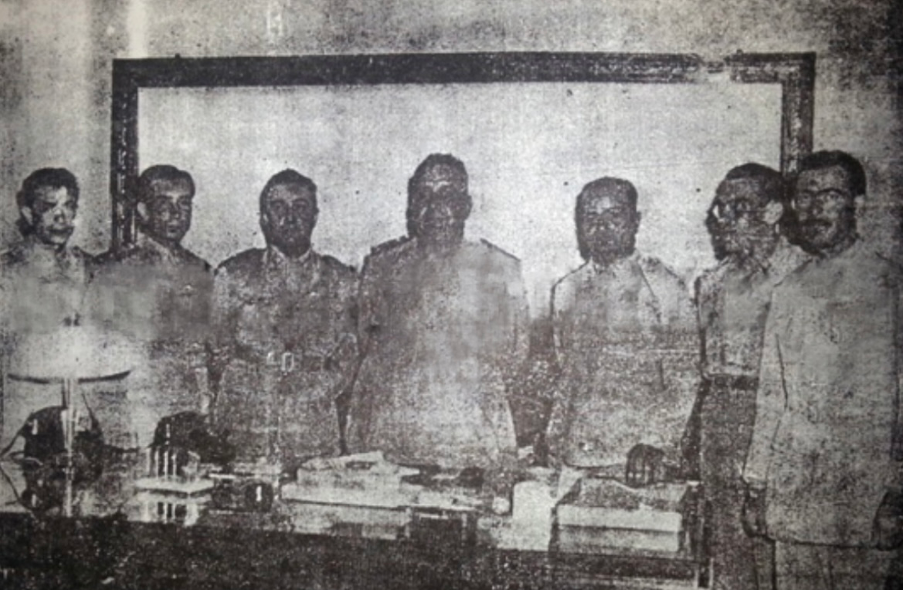
Rauff, whose position was closely tied to the political power of al-Zaim, and several other members of the Deuxième Bureau were arrested on the same day on charges of terrorism. The accusations appear to have been largely political. Syrian officers had come to resent Rauff because of the influence he had accumulated under al-Zaim (18). He was released only a few days later, but his position in Syria had become untenable. The Syrian authorities paid him his outstanding salary and provided airline tickets for him and his wife. In a curriculum vitae he prepared in 1961, Rauff reduced his departure to a brief and euphemistic account: “After the assassination of Syrian President Husni Zaim, the contract was annulled and I emigrated with my family via Italy to Ecuador” (19).
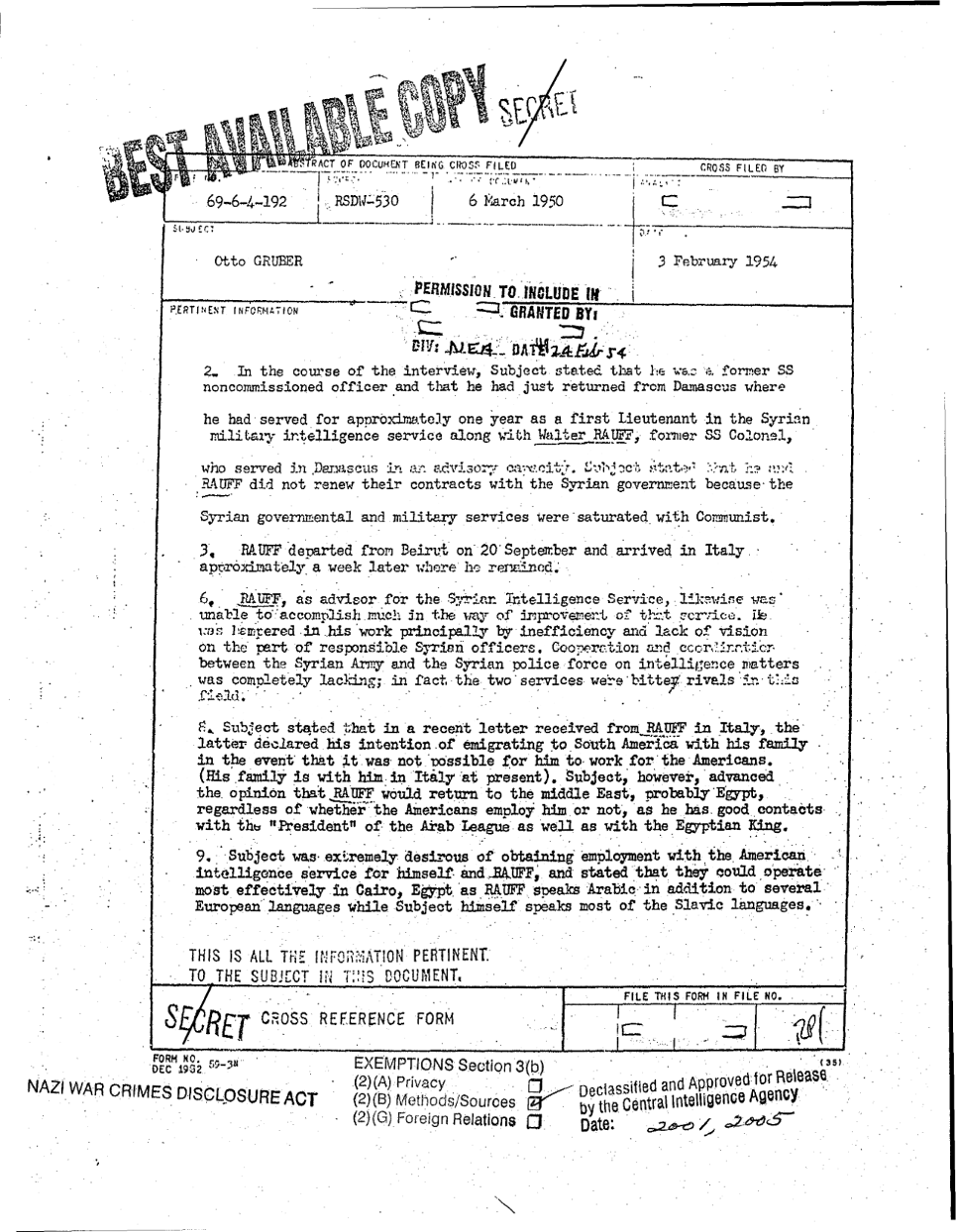
Rauff’s departure marked the end of the shortest episode of German involvement in Syria, which also explains why so little information has been reported. It did not, however, bring the German presence to a close. His associate Otto Gruber, a former SS-Unterführer who had worked as a First Lieutenant at the Deuxième Bureau and as an expert on communism, also left Syria because the new government saw no further need for his particular expertise. Among those who stayed was Werner Neisser, the former Gestapo chief in Milan and SS-Obersturmführer who had reportedly travelled to Damascus using official Syrian documents and was later said to have been appointed head of Sami al-Hinnawi’s personal guard (20). By September 1949, at least sixteen German officers were presumably still in Syria, six of them pilots. At the same time, Franz Roestel, the new head of the third mission group, had arrived in the country. Roestel was a former SS-Standartenführer and specialist in assault guns.
The available evidence does not establish a direct institutional transfer from the Nazi security apparatus to Syria. It does, however, indicate that the presence of former Nazi security personnel formed part of the institutional environment in which Syrian intelligence structures were reorganized. Al-Zaim’s government was interested not simply in recruiting individual Germans but also in the functioning of the security institutions of the socalled Third Reich and in the expertise of those who had worked within them. As Syrian researcher Jaber Baker, author of Syrian Gulag: Assad’s Prisons, 1970-2020, put it:
“They learned the worst from the Nazi. How to turn a prison into a place where people are slowly executed in silence. I believe they didn’t primarily learn the Nazis’ methods, but rather their theory: the theory of how to purge a society of undesirable individuals. Just as, for example, in Syria, we always talk about the Muslim Brotherhood as a segment of society that we don’t like” (21).
Rauff's later career: Ecuador, Chile and Germany’s Federal Intelligence Service
For Walther Rauff, as for many other members of the German mission phases, Syria was only a brief episode in a much longer postwar career. In retrospect, he described it as “a wonderful and wild time”(22), even though he had repeatedly spoken negatively about the Germans who served alongside him. In a letter to Otto Wächter, a senior police official in occupied Poland who had been involved in the deportation and murder of hundreds of thousands of Jews, Rauff wrote that most of the Germans in Syria, whose opportunities there were limited in any case, were “adventurers, castaways, and undesirable elements” (23). In his view, their behavior had damaged the reputation of Germans across the Arab world.
After leaving Syria, he initially settled in Ecuador before eventually moving to Chile. There, he reportedly worked as a commander and member of the “Solución final” (“Final Solution”) unit under the Pinochet dictatorship. Evidence has also emerged of two industrial facilities where, allegedly under Rauff’s supervision, the bodies of hundreds of political prisoners were burned (24). From 1958 to 1962, Rauff worked as an intelligence liaison for the Federal Intelligence Service (BND) in South America. The BND tasked him with establishing personal contacts who might be recruited as agents and with gathering political and economic intelligence from the region. In this work, Rauff also drew on his network of “old comrades”, including SS-Obersturmführer Willi Lehmann, whom he had known from his time in Syria (25). In 1962, Germany initiated extradition proceedings against Rauff for his involvement in the murder of at least 97,000 people. The proceedings were dismissed by the Supreme Court of Chile in 1963 on procedural grounds. The case nevertheless brought Rauff’s work for the BND to an end. He died of a heart attack in 1984 without ever having been held accountable.
References: