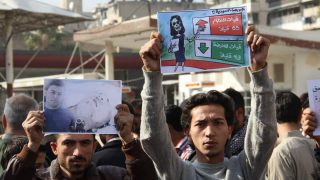

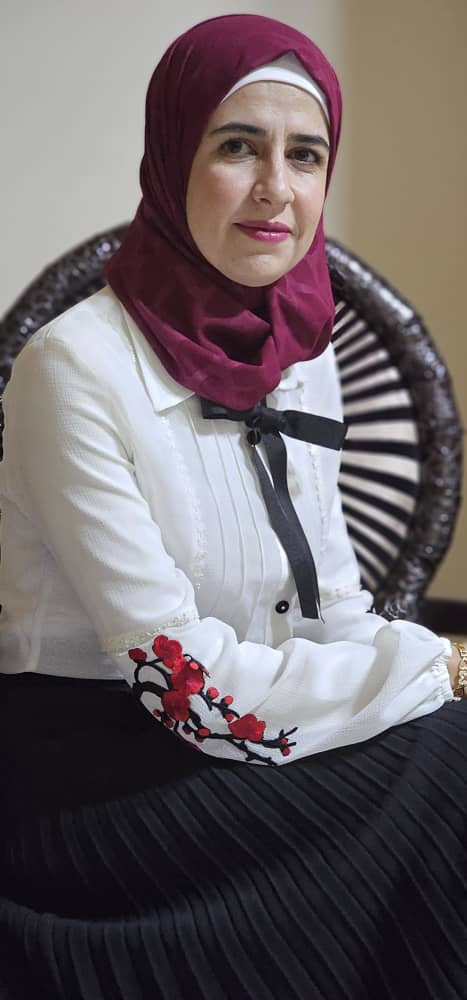
The name Fatoun Fakhouri may not be familiar to many Syrians, but it is well-known to the people of Idlib province - the destination, years ago, for convoys of "green buses" carrying displaced persons from various parts of Syria. A few months ago, Fakhouri, a young journalist and actress, stepped onto a stage in her city to perform in the play Al-Awda ("The Return"). According to the play’s director, Mustafa al-Shahoud, who also serves as the director of the Idlib Theater Festival, this marked the first time a woman had appeared on a stage in Idlib in 15 years.
This moment served as a turning point in the young woman’s career, as well as a significant milestone for a region that the regime had previously transformed into a staging ground and a front line against opposition military forces. Today, this initiative stands as a genuine attempt to restore a semblance of normalcy to a province often perceived as insular. It paves the way for broader questions regarding the future of theater in Idlib - specifically concerning the role of women - especially in light of the performances hosted by the Idlib branch of the festival, which took place as part of the central festival held in Aleppo in 2026.
The return of women to the stage
In her debut theatrical experience, "The Return", written and directed by Mustafa Al-Shahoud, Fakhourji realizes that her appearance before an audience is not just a personal milestone; it also opens doors for other women who possess talent and passion.
Reflecting on the moments she stepped onto the stage, it is as if she were proving, to herself as much as to others, that art can always make a comeback, no matter how long the absence, and that women remain essential partners in the cultural landscape, despite all obstacles. "It was a moment filled with a complex mix of emotions: excitement, trepidation, and pride. At first, I felt a natural sense of shyness and hesitation - especially since this was my first time, and I was doing it in a society that has not seen women from Idlib on stage for many years. But as rehearsals intensified, and with the support I received from the director and the production team, that shyness transformed into confidence and a sense of responsibility. My goal was to present a respectable work that reflects the value of theater and the message of art".
However, Fakhourji’s attempt to break down the barriers that have increasingly confronted women in recent years has not yet extended to other female writers, directors, or actresses. This is clearly reflected in the submissions received by the organizers of the local festival in Idlib, as noted by the festival director, Mustafa Al-Shahoud: "The Idlib Theater Festival has seen no participation from female writers or directors. This is not because such women do not exist; rather, they lack the boldness required to enter the world of theater. There are social and cultural obstacles that limit women’s engagement in theatrical work, compounded by the difficulty of providing a suitable and safe environment for training and rehearsals".
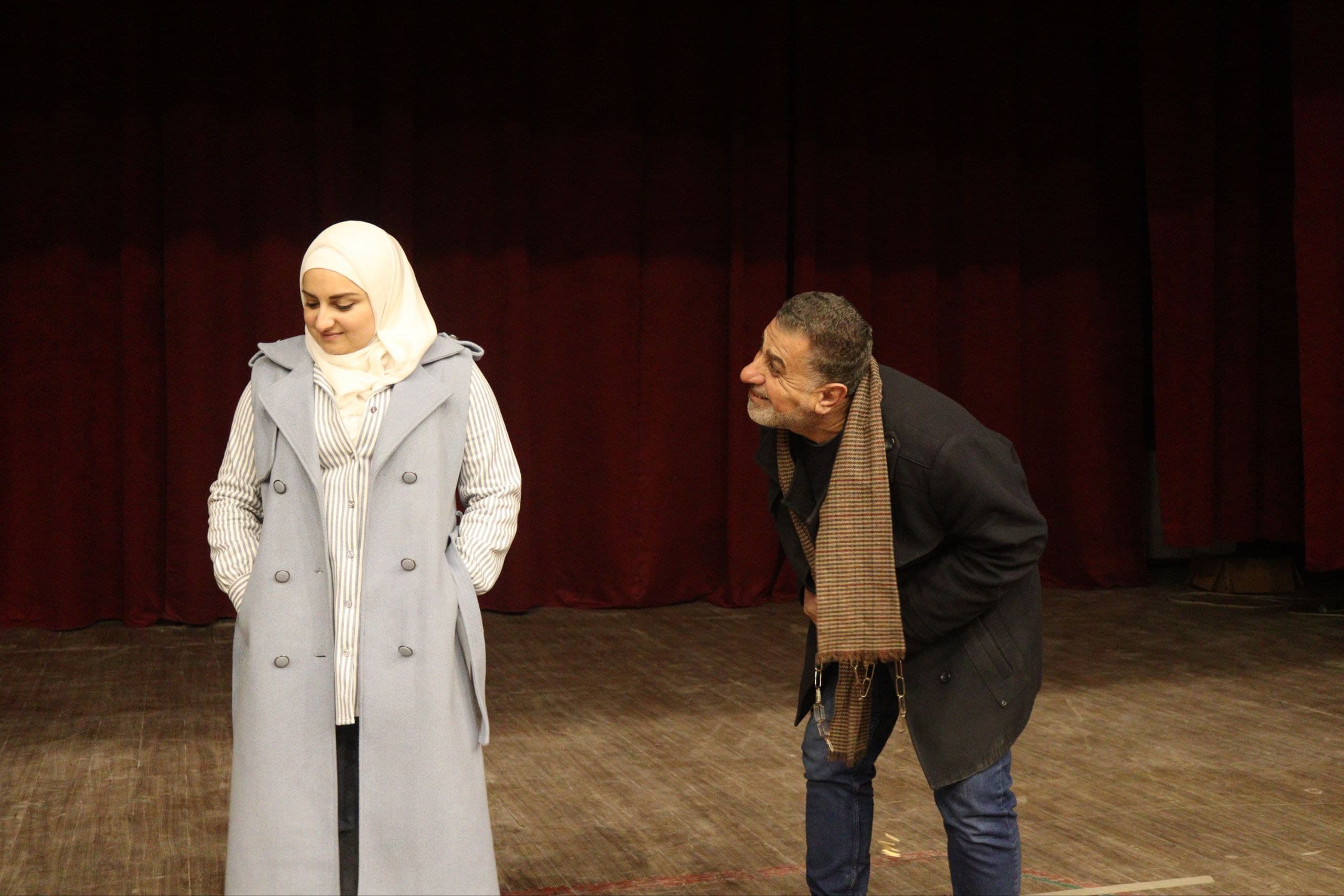
Al-Shahoud adds: "Recently, we overcame various obstacles and succeeded in introducing several actresses, who were performing for the first time, in shows held in Damascus. Though, they lack experience, which is why we are working to establish training workshops in acting, writing, and even directing".
Performing on stages in Damascus is seen by Mahmoud Zakkour, a theater practitioner from Idlib and director of the 2026 Syria Theater Festival, as a genuine glimmer of hope for shattering stereotypes about the region. "The participation of young women from Idlib in Damascus, or any other city, will foster a positive impression”, he notes. “It shows that the province is not - as some might perceive it - merely a hotbed of extremism; rather, it is a place whose people have long been symbols of openness and engagement with culture and the arts - and it will return to being that way once again".
Zakkour cites his own experience, saying: "Over a year ago, I staged the play “Memory of Detention” (Dhakirat I’tiqal) in Idlib, which featured actresses from Aleppo. We encountered no negative reactions from the public; instead, we were met with a warm welcome and clear enthusiasm - to the point that many were deeply moved by what they witnessed on stage".
The demands of the work as an obstacle
In addition to the social challenges, the theatrical movement in Idlib faces logistical difficulties that double the suffering of its workers. “The difficulties were many, starting with the absence of halls equipped for rehearsals, as we were sometimes forced to train in small rooms that did not resemble a stage. We tried in every rehearsal to take advantage of the available space, and focus on developing the performance and understanding among the work team”, Fakhourji says.
Al-Shahoud agrees with her, pointing out that Idlib only has the stage of the Cultural Center, and it is always busy with official meetings, which forces the playwrights to train in narrow rooms that are not sufficient for their purpose. He believes that the theater in Idlib is in dire need of infrastructure, including alternative spaces for training and performances, in addition to stable funding and continuous training workshops that graduate a new generation of playwrights and plays.
For his part, Zakour confirms the dilemma left by years of war and neglect, explaining that the stage of the Cultural Center was restored in late 2024, and the past periods witnessed some tensions between the theater people and the center’s management before it was completely resolved. “We urgently need to create small training platforms dedicated to theater and musical groups alike”, he says, “and we have placed the entire needs and problems in the hands of the Minister of Culture”.
A passion for return
Amidst the various initiatives and multifaceted efforts to support theater in Idlib, the announcement of the festival’s return carries significance that transcends the event itself. As Al-Shahoud describes it, the festival represents "the restoration of a measure of cultural vitality and national identity - elements lost to war and displacement. The audience’s desire to engage with theatrical performances is profound and tangible; in Idlib today, people do not attend merely for entertainment, but to reclaim a piece of their stolen humanity".
He continues: "Venues fill up before performances begin, and crowds waiting at the doors have become a common sight. This level of turnout is clear evidence that people truly felt the absence of theater - as seen during productions like “Below Zero”, “The Emigrants”, and “Master of the Stage”. The years of war robbed them of collective joy, dialogue, and a vital outlet for expression. For them, attending the theater is like catching one’s breath again - a search for a human moment that brings people together, far removed from the constant news of fear and death".
This passion is also reflected in the high level of interest in participating in the festival. According to Al-Shahoud, the number of scripts submitted to the festival organizers exceeded expectations. The submissions came not only from writers with prior theatrical experience but also from young people embarking on their first creative endeavor. In his view, this serves as a significant indicator that "theater retains its enduring appeal as a space for expression, despite all the difficult circumstances currently facing Idlib". The presented texts varied, ranging from works deeply immersed in the daily concerns of the street to modern adaptations of international classics - such as Maxim Gorky’s “The Lower Depths” - and Syrian plays, including “The King is the King” by Saadallah Wannous. The locally authored works by theater practitioners from Idlib revealed a keen sensibility and a sincere desire among the writers to use theater as a mirror for society; some of these pieces leaned toward dark comedy.
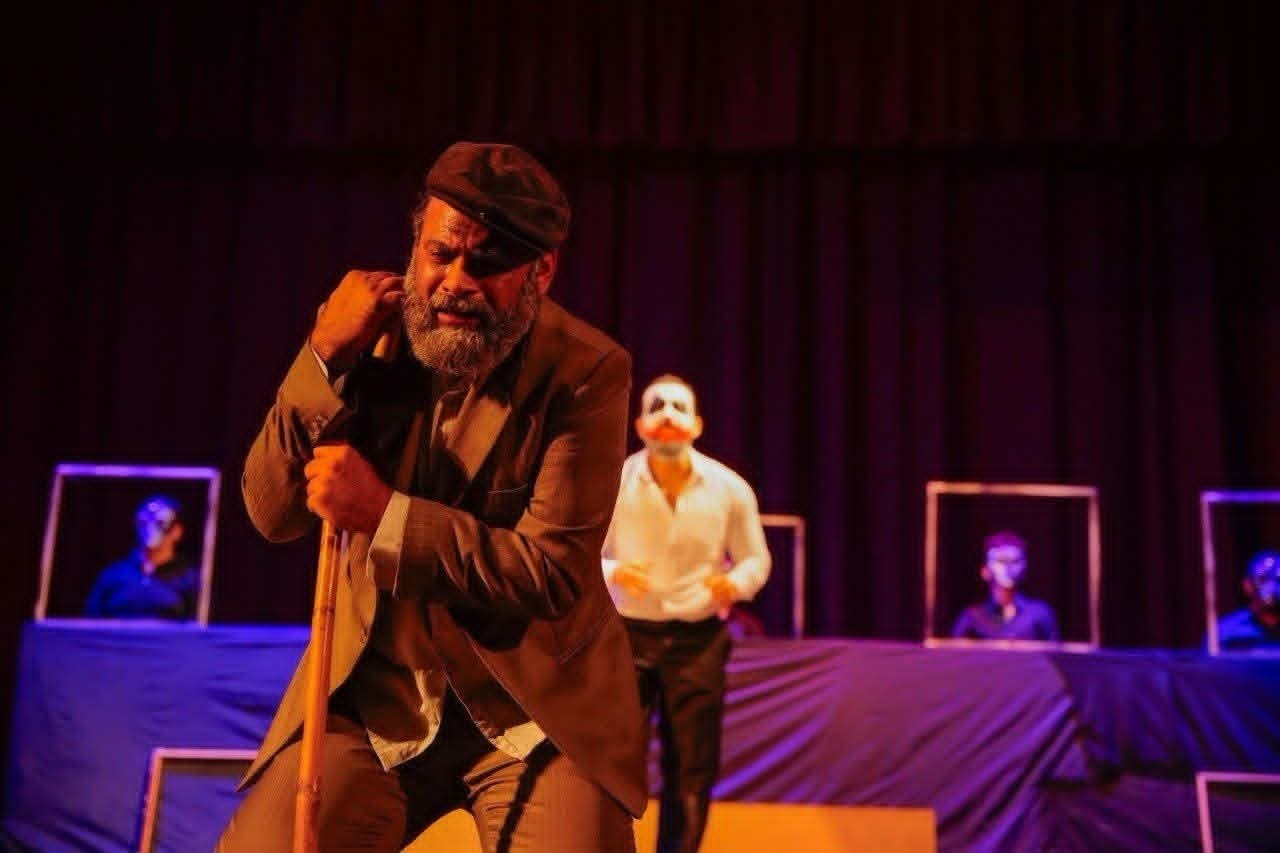
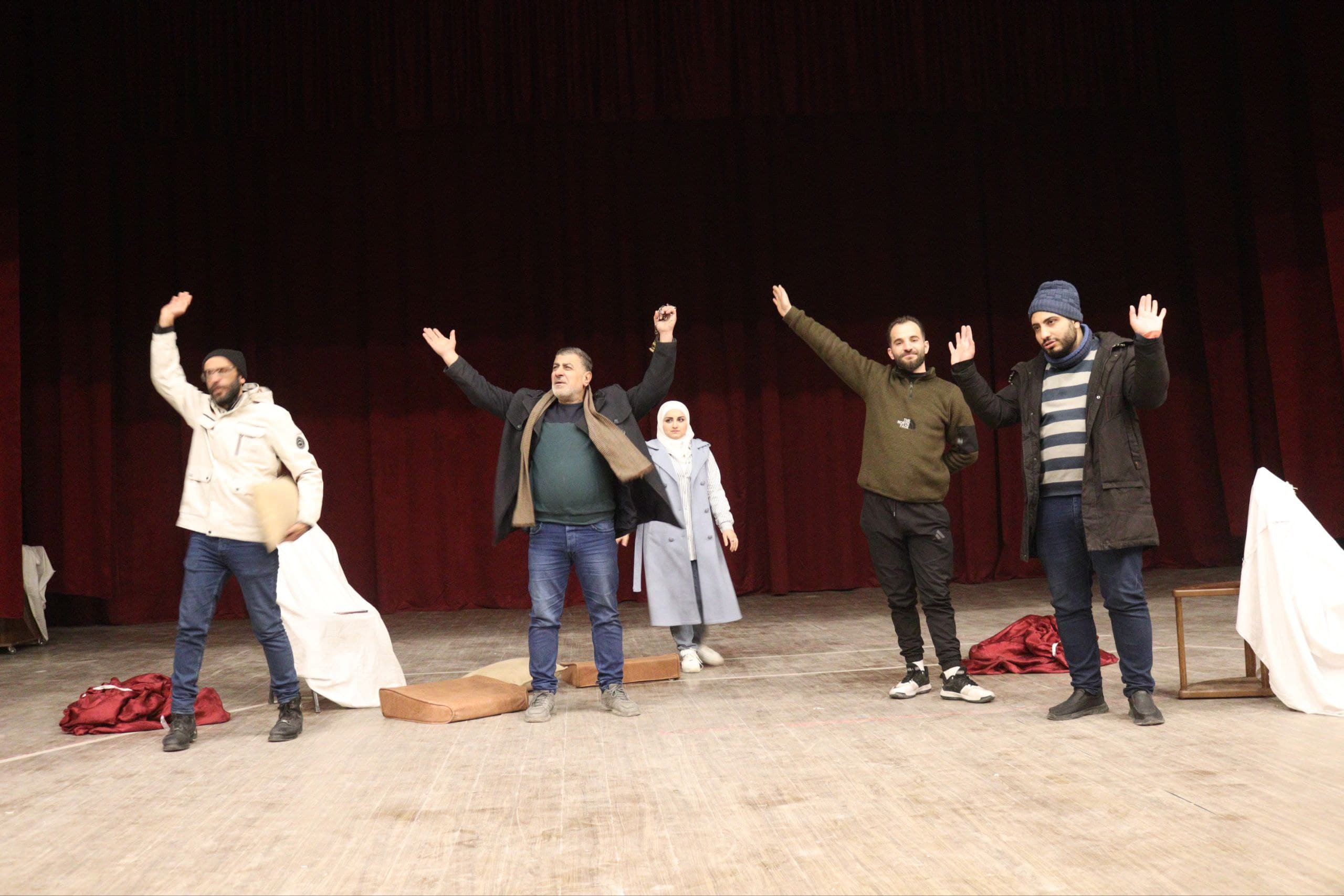
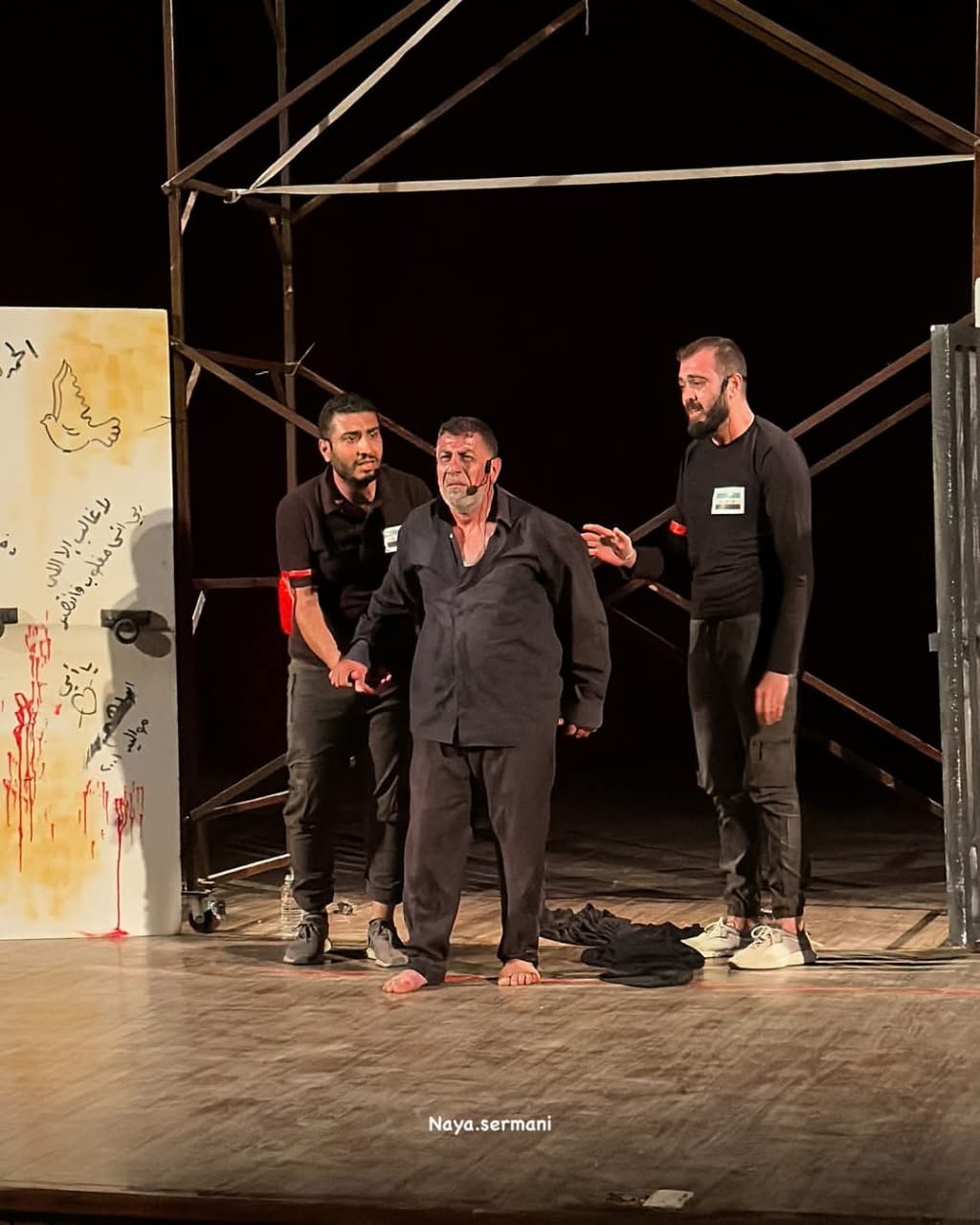
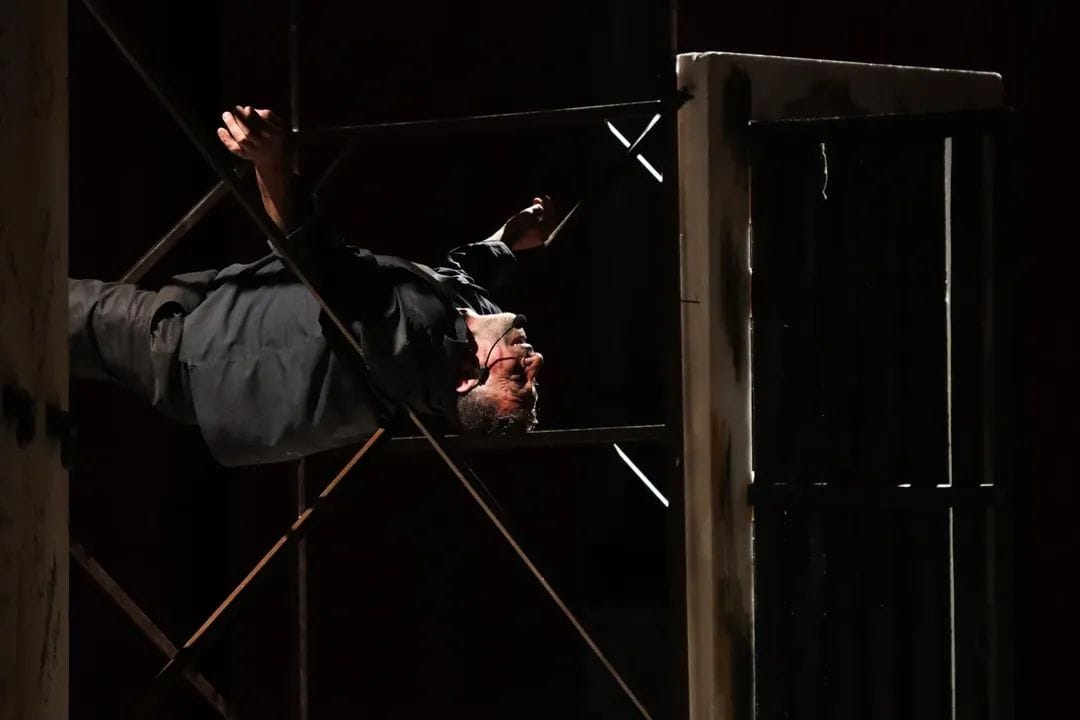
Looking back to the period before 2011, Al-Shahoud recalls how the province once hosted a diverse range of theatrical forms - including experimental, absurdist, and social drama - with local directors gaining significant recognition at both Syrian and Arab festivals. The revolution, however, changed everything: "Theater shifted from a form of entertainment to a tool for documentation and resistance. As institutions collapsed, 'revolutionary theater' emerged to address issues such as detention and human rights abuses. Meanwhile, theater in displacement camps flourished, supported by organizations like 'Banafsej', which utilized puppetry to help children cope with trauma". Today, "full-length classical plays have become rare due to the challenges of production; instead, audiences gravitate toward shorter, interactive works. There are also tentative efforts to revive school-based theater, which had been dormant for years".
In Idlib specifically, the situation led to what Zakour describes as an "epistemic rupture" - a disconnect between the audience and the actors, and between the actors and the very concept of theater. This followed a seven-year period during which "the city lived in complete isolation from the arts, theater, performance, and social media - a state that has only begun to gradually thaw over the last two years".
The question of sustainability
The Idlib Festival featured five productions - “The Last Bullet”, “The Depths”, “The King Is the King”, “The Final Rehearsal”, and “Table Number Zero” - yet it offered no clear indication of the current state or future of theater in Idlib, nor of the broader cultural landscape in Syria. "The issue of theater isn't just about money; everyone knows that theater is almost always a financial loss, and we often end up paying out of our own pockets. The real necessity lies in training personnel and developing infrastructure. Currently, we don’t have a single professional lighting or sound technician in Idlib. Once actors, directors, and technical staff are properly trained, a vibrant theatrical scene will emerge naturally, and performances will continue year-round, rather than relying solely on a festival", says Zakour.
He adds, "To be honest, since the liberation, we haven't seen a fully realized, comprehensive theatrical production originating from within Idlib. Most of what has been presented consists of restaged works or projects commissioned by organizations - such as those focused on raising awareness among children or warning against drug use. However, the immense passion I witnessed among Idlib’s theater practitioners during our recent meeting in Aleppo confirms that their love for the craft will not be in vain; it will soon bear fruit".
Hope for a different future for theater is precisely what Fakhorji is banking on today. Concluding her thoughts, she shares a vision that extends well beyond her initial experience: "I hope to continue creating work that holds both artistic and human value. I aspire to participate in productions - both within Idlib and beyond - to represent my city, contribute to the revival of the theatrical movement, and encourage more women to enter this field with confidence".
* Image rights belong to the producers of the play.