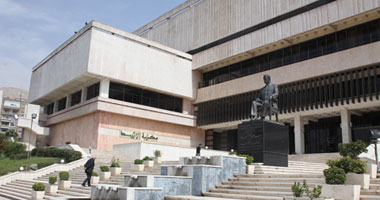

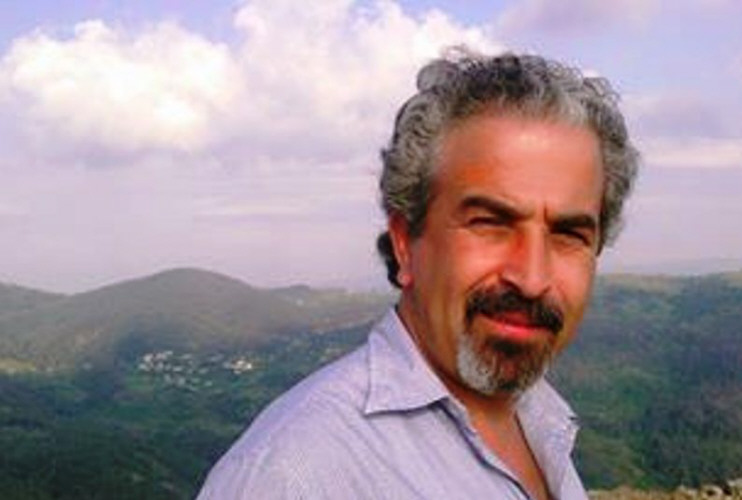
In early February, the transitional government unveiled a landmark book fair, launched in the wake of the former regime’s collapse as a symbolic "break from the darkness." According to the fair's coordinator, Zuhair al-Barri, the event marks a cultural rebirth for a nation that had "languished in intellectual and cultural darkness under the Assad regime". Al-Barri asserted that in the reshaped Syria, the fair stands as a bastion of free expression where no book is banned.
Under the Assad regime, a vast architecture of censorship blacklisted countless political and religious works. Among the prohibited texts were those tied to armed Islamist movements, most notably the writings of Islamic thinker Sayyid Qutb - a foundational ideologue of the Muslim Brotherhood - alongside memoirs and manifestos by al-Qaeda figures, such as Abu Hafs al-Mauritani. On the secular and political front, the ban indiscriminately targeted any literature critical of the regime’s domestic tyranny or foreign policy. Prominent examples included Syria: The Savage State by French sociologist Michel Seurat, as well as the memoirs of the renowned Syrian human rights defender Haitham Manna.
Zuhair al-Barri, the current exhibition coordinator, noted that "all books were permitted except those opposing 'civil peace and social cohesion', 'violate the values and customs of Syrian society', or 'glorify the Assad regime'". Accordingly, the exhibition management responded to the Iraqi government's protest against the display of a book with a sectarian title and banned its circulation. This was not the first book to be banned in post-Assad Syria.
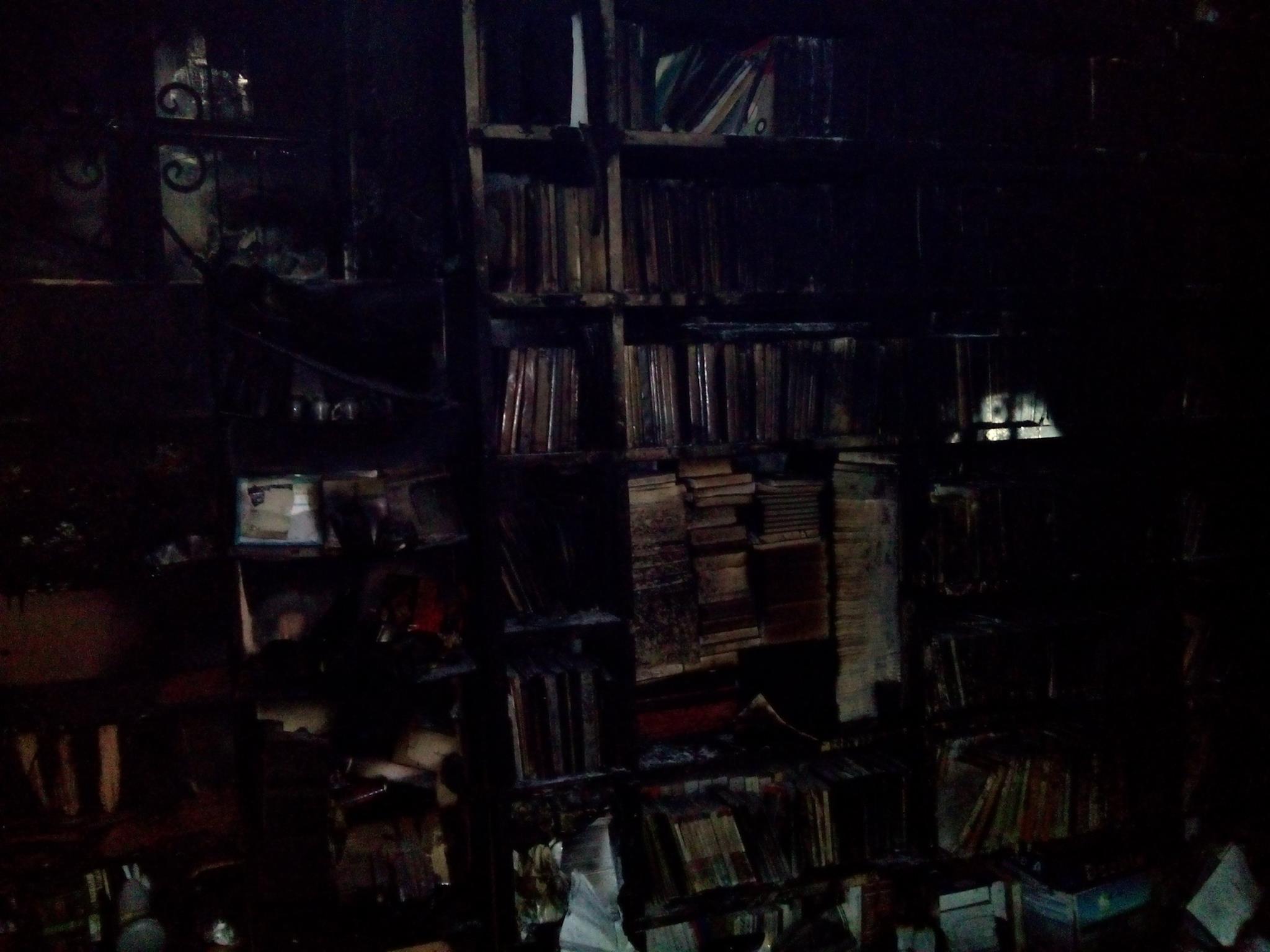
With the aim of dismantling the cultural and intellectual system that glorifies the Assad regime, the Syrian Ministry of Culture quietly began, at the end of last year, to withdraw hundreds of titles from its cultural centers and affiliated institutions that dealt with or pertained to the Assad era.
The lists compiled by employees of institutions affiliated with the ministry included hundreds of titles covering a wide range of topics, such as speeches by dictator Hafez al-Assad and his son Bashar al-Assad, who is currently wanted in Syria for crimes committed during his rule; books by Assad's political advisor, Buthaina Shaaban; studies about that era, most of which were laudatory; everything related to the Arab Socialist Ba'ath Party, its conferences, resolutions, and literature; and books about the Syrian civil war, such as Sami Kleib's books about Assad.
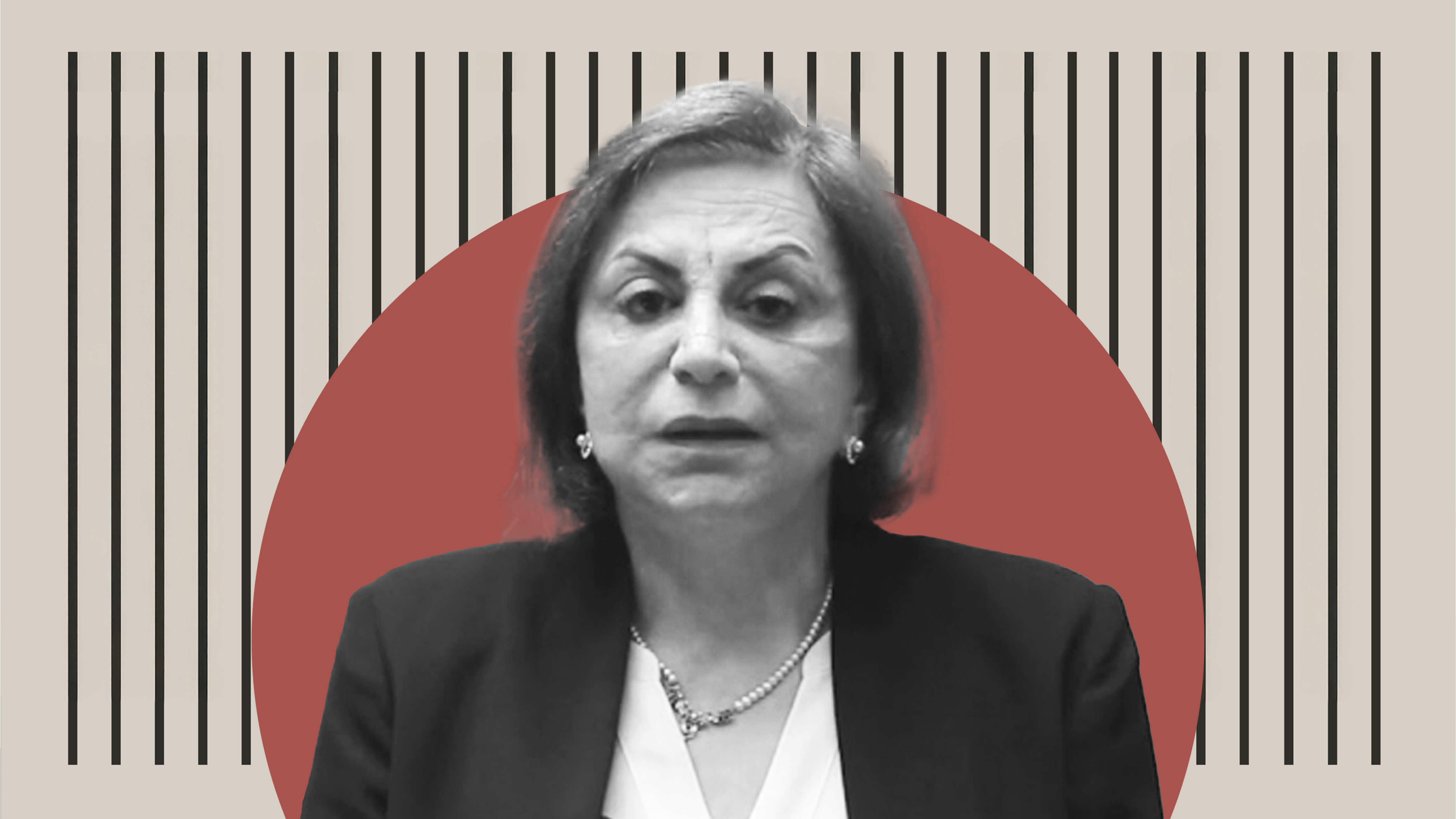
The ban did not include any well-known novels or poetry collections, but was limited to political books, such as "The October War Series (The First Arab War and the Great Turning Point)" by Muhammad Zuhair Diab and Amjad al-Khouli, "Hafez al-Assad Encyclopedia" by Ahmad Qurna, Syrian-Lebanese agreements, and the "Syria Revolution" series published by the Ministry of Information, among others.
“The process of withdrawing titles from cultural centers and ministry institutions continued for about three months until electronic lists were prepared and sent to the ministry”, explains Razan (a pseudonym), an employee at the cultural center in rural Damascus. “We didn’t receive written instructions, only a verbal request from the center’s director, who was appointed after the fall of the regime and is an Arabic language teacher”, she adds. “We relied on words in the book titles in both paper and electronic records that were related to keywords like ‘Assad’ or ‘Hezbollah’, and we compiled them. For our center, the total was about 110 books”.
Razan says that library staff retrieved the books from the main (mostly electronic and paper) records, while the directors of the cultural centers verified the actual withdrawal of the books, transferred them to the warehouses, and removed them from the lending or circulation system. Under the “Notes” section, the books were recorded under a new classification: “Damaged – Overthrown regime”.
The Ministry of Culture, through its media office, did not answer SyriaUntold's question about the specific criteria for sorting the books. However, it explained that it has "a strategic plan to develop the work of libraries, which includes withdrawing books that glorified the former regime and ideas that were contrary to the facts". The ministry stated that a large portion of these books "were destroyed due to improper storage", while another portion is being collected "for later sorting and subsequent distribution to those who will use them for documentation, research, and studies".
This admission marks the first time an official body has directly confirmed to SyriaUntold the systematic destruction of books classified as state property. Crucially, the ministry’s response failed to clarify the legal framework it utilizes to determine what constitutes a text "contrary to the facts," nor did it specify which administrative entity holds the ultimate authority to make such a determination. Furthermore, the ministry's attempt to attribute the destruction to a mere "failure to store them in a suitable location" bypasses accountability, raising profound questions regarding the transparency and mismanagement of public property - including invaluable literary assets - during this fragile transitional phase.
Censorship and publication
On 22 April 2025, the Syrian Publishers Association (a voluntary coalition of independent publishing houses) issued a restrictive circular. The directive mandated that all members secure formal approval from the Ministry of Information’s "Media Evaluation Directorate" for every title intended for publication. The mandate was retroactively applied; it targeted not only upcoming releases but also books printed without ministerial oversight during what the association previously codified as a period of "self-censorship" in a 28 December 2024 circular. Furthermore, publishers were obligated to retroactively submit all inventory produced prior to 8 December 2024, for official vetting before it could be cleared for domestic distribution or foreign export. While the association framed this bureaucratic bottleneck as an administrative courtesy designed to "facilitate the transit of books to Arab book fairs", it accompanied the rule with a stern warning: the possession of unapproved literature would "impede shipping logistics, causing delays and collective harm to all publishers".
This growing controversy prompted the former Minister of Information, Hamza Al-Mustafa, to issue a clarifying statement on 24 April. He asserted that his ministry "reaffirms its absolute commitment to the freedom of thought, publishing, and printing", and claimed that the directive stemmed from a "legal loophole" between the ministry and publishing houses. He further noted that he had issued a directive to "approve all titles submitted by publishers to the ministry". However, while the statement offered assurances regarding the "limited role of censorship over thought and the publishing movement in Syria", it failed to quell underlying anxieties. The "legal loophole" was not permanently closed; rather, it was met with a temporary concession, leaving the bureaucratic mechanism itself legally and definitively unrevoked.
Speaking to SyriaUntold, Samar al-Haddad, director of the Damascus-based Dar Atlas publishing house, shed light on the initial friction: "In the beginning, there were numerous clashes and bottlenecks, simply because the new, younger staff lacked sufficient expertise in the publishing sector - from printing logistics to shipping and exports. It took them quite some time to grasp the complexities of book production and importation".
Turning to the current climate, al-Haddad noted a significant shift: "Our relationship with the Ministry of Culture is now highly collaborative. On the censorship front, scrutiny is undeniably better than before; it is far more efficient, and many titles we fully expected to be blacklisted are now receiving clearance. While high volume can still cause occasional delays, it is evident to me that the new administration does not harbor the same institutional phobia of books that defined the defunct regime.
According to Samar, the ministry's censorship procedures affect publishing and office work "to a limited extent, meaning we can't work on any book before obtaining approval. However, as I mentioned before, a waiting period of two weeks to ten days is acceptable". She added that "exporting books for book fairs requires publication permits, which causes some confusion, as does importing from abroad".
The veteran publisher Samar believes the ministry should "seriously consider abolishing the censorship law and making censorship a post-publication process, meaning it should become a legal matter. Furthermore, and this is a very important point, the ministry should stop imposing license renewal fees on publishing houses that have been operating for years". She gives the example of "Atlas Publishing House, which has been licensed since 2000 and is now required to pay 150 USD to continue operating and prevent the revocation of its license, which is renewable every five years based on good conduct, according to their assessment".
The confusing journey of books
Testimonies from drivers operating overland routes from Lebanon and Jordan to Syria indicate that customs officials under the interim government are rigorously scrutinizing the transport of books. We were unable to reach drivers operating at the Iraqi or Turkish border crossings.
"Books are among the items that the new customs officials at the border crossings are particularly strict with. They are being confiscated, and a list of their titles is being sent to the Ministry of Information for approval, a process that takes 15 days", Hassan Salim, a 60-year-old taxi driver from Latakia, who has been working the Latakia-Beirut route for ten years, told SyriaUntold.
"The books remain in customs custody until approval arrives” Hassan continues, “so most drivers don't want to transport them to Syria" Khaled Ibrahim, a driver on the Damascus-Al-Masnaa route, agrees with Hassan, adding, "Confiscation of the books is possible if approval isn't received within 15 days. If we bring the books from Beirut without approval, they remain at the border in customs custody until approval is obtained, or they might be confiscated permanently". Several drivers we interviewed agree that bringing religious books from Lebanon is prohibited, attributing this to the fact that "the officials don't know how to handle this matter, so they request approvals from Damascus". Regarding transport routes to Jordan, the transport manager of a major company operating on that route stated that transport is possible and there are no issues with it.
This lack of experience, according to the drivers, could open the door to book smuggling. Majd Issa, a student at the Lebanese Arab University, says he certainly doesn't want to smuggle his university textbooks, cultural books, and reference materials into his country. He adds, "I have three or four boxes of books at my house in Beirut, and I want to return home right now. I don't know what might happen to them at the border given the current situation, so I prefer to wait until things become clearer".
The driver Hassan recounts that he previously transported two boxes of books from Syrian publications participating in a Beirut book fair from Lebanon to Syria via the Arida border crossing. Books don't require permission to enter their country, but a customs officer at the General Authority for Land and Sea Crossings told him, "They can't be brought in without permission. We don't know; these are the instructions".
The driver points out that dealing with other types of goods is straightforward. If the goods are for personal use, they pass through; if they exceed that, the owner pays fees or customs duties. He explains, "If someone has two cell phones, they'll pay customs on one, and the second one, for personal use, won't be subject to customs. No problem. But books are impossible to pass through. They must obtain approval from the Ministry of Information 15 days in advance".
While hundreds of university students and ordinary people live in Lebanon with libraries and books they need to transport upon their return to Syria, this situation at the border raises questions about the supposed legal basis for dealing with this issue.
Upon reviewing the new Syrian customs tariff established in 2025 by the previous transitional government (the government of Muhammad al-Bashir) and currently adopted by the new government, it became clear that printed materials in general, including books, are treated as any other commodity subject to customs duties based on weight, along with service fees and an export duty (10 USD according to the tariff). No approval from any entity other than customs is required, unlike the importation of wheat flour, which requires ministerial approval as stated in the notes section of the tariff (page 21, item 6). Syria uses the Harmonized System (HS) Code for classifying goods, whereby "printed books, pamphlets, and similar materials" fall under customs heading 4901. This classification is international and is adhered to by Syrian customs in its detailed publications.
In the same vein, customs broker Yasser Al-Khaled, at the port of Latakia, categorizes the handling of documents at land and sea crossings into two cases: "The first is commercial quantities, which are treated as goods requiring a customs declaration, certificate of origin, shipping documents, and other necessary paperwork. The second is personal documents, the status of which is determined by the customs authority". However, according to Al-Khaled, the problem is that "assessing the status requires practical, personal experience that may not be available to new customs officers".
In a written response to questions regarding customs practices at the borders, the Publications Department of the Ministry of Information clarified that the import and export of publications subject to specific customs tariffs "are subject to the prior approval of the Ministry of Information", in accordance with Decree No. 444 issued by the Ministry of Economy and Foreign Trade on 15 October 1971, and ratified by the Ministry of Information. According to the department, this decree has been circulated to the General Authority for Ports and Customs.
The ministerial response divides books into four categories: books with prior approvals, which are "not restricted by weight or number" upon shipment; books without prior approval, which require a copy to be presented to "the relevant committees" for approval; personal libraries containing one copy of each book, which are granted a permit "within two hours"; and books carried by travelers up to 25 kilograms, which are exempt from approval. The department also confirmed that "books participating in exhibitions" are exempt from obtaining prior entry or import approvals during domestic exhibitions.
But this official description of the procedures stands in stark contrast to the testimonies of drivers at the border crossings, who speak of books being held for up to 15 days, of the staff's ignorance of how to handle the situation, and of a recurring rule: "Anything but books".
In this gap between theory and practice, between law and its application, between the freedom of the book fair and the anxiety of the border, the first chapter of the history of books in post-Assad Syria is being written. And it is a chapter that remains unresolved.
On the other side of the sea, in Beirut, student Majd Issa is still waiting; three or four boxes of books are tucked away in a corner of his temporary home. He doesn't want to smuggle them into Syria, and he doesn't know if they will be allowed to cross if he decides to return. He told SyriaUntold a few weeks ago that he "prefers to wait until things become clearer". As of this writing, they remain unclear to him.